
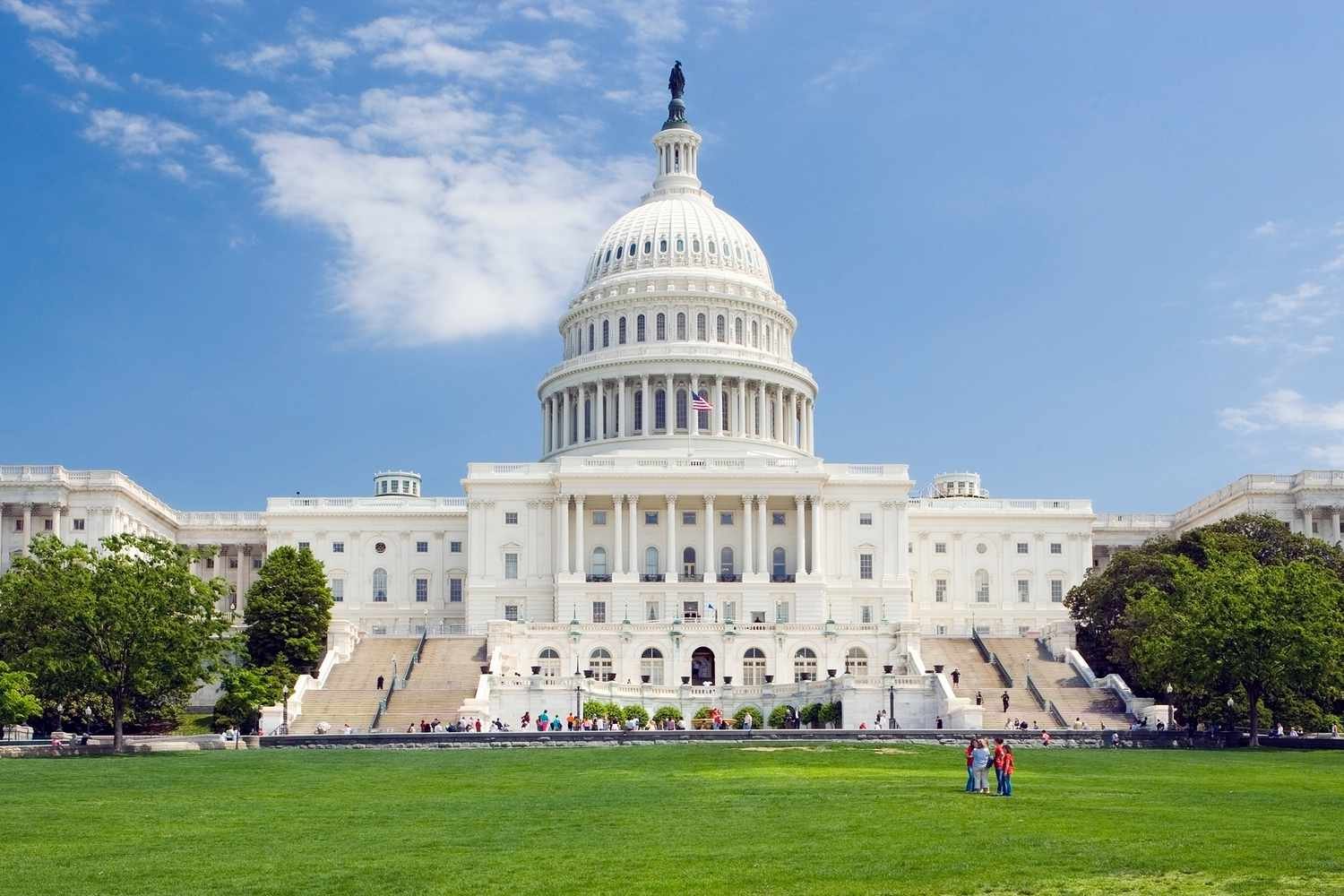
A Trip to Washington, D.C. Starts With Three Decisions, Not a Packing List
To plan a trip to Washington, D.C., lock in three things before anything else: a hotel near a Metro station, timed tickets for the Washington Monument and White House, and a realistic daily budget of roughly $90 to $300 per person depending on your hotel tier (confirm current rates directly with your chosen property). Everything else, from museum choices to neighborhood walks, fills in around those anchors. D.C. rewards planners more than almost any American city because its best attractions are free but its access points are limited.
I learned this the hard way on my first D.C. trip. I booked a cheap hotel far from the Metro, assumed I could “figure out” the Washington Monument when I arrived, and spent two hours in a ticket line I never needed to stand in. The monument is free to enter, but the reservation system is unforgiving.
The White House requires a request through your congressional office at least 21 days out. The Smithsonian museums cost nothing, but the good ones fill up on weekends. D.C. is not a city where winging it works. It is a city where three early decisions determine whether your trip feels smooth or chaotic.
Jump to: What it costs | Where to stay | A real itinerary | Tickets and timed entry | Mistakes to avoid | FAQ
Key takeaways
- Washington Monument tickets cost $1 to reserve online and sell out fast. Same-day free tickets exist but require lining up before 8:45 a.m. (confirm the latest process on recreation.gov).
- White House tours are free but must be requested through your Member of Congress or embassy between 21 days and 3 months in advance.
- All Smithsonian museums on the National Mall are free; no tickets are needed for general admission, except a few that require free timed passes.
- A realistic daily budget runs from about $90 per person for budget travel to $300 or more for a comfortable mid-range trip (check current hotel and ticket prices before booking).
- Stay near a Metro station, not just “near downtown.” The SmarTrip card is your transit key, and parking is a trap.
- Cherry blossom season draws massive crowds; if you visit in late March or early April, book everything earlier than you think necessary.
How much does a trip to Washington, D.C. actually cost?
D.C. can be cheap because the best things to do are free. It can also be expensive because hotels near the Mall charge a premium for convenience. I break my own budgets into three tiers: budget, mid-range, and comfortable. These are per-person daily estimates excluding flights, and every figure is a range you should verify at the time of booking because D.C. pricing shifts with seasons and events.
On a budget trip, I aim for $90 to $130 per day. That means a hostel or a hotel far from the core, Metro instead of rideshares, and eating at casual spots in neighborhoods like Adams Morgan or Shaw rather than sit-down restaurants near the Mall. A mid-range trip runs $180 to $250 per day: a three-star hotel near a Metro stop, one paid attraction or tour, and a mix of casual and sit-down meals. A comfortable trip starts around $300 per day and goes up from there, especially if you stay within walking distance of the National Mall (confirm current hotel rates on Booking.com or Hotels.com before you commit).
The single biggest variable is lodging. A hotel room in Foggy Bottom or Penn Quarter during spring can easily exceed $300 per night (check current rates on the official booking sites). The same room in Arlington or Crystal City, two Metro stops away, often costs noticeably less. I have saved more than $100 per night by staying across the river and never regretted the ten-minute train ride.
Maya’s honest take: “The free museums are not a gimmick. I have spent entire days in the Smithsonian complex without spending a dollar on admission. Your money goes to lodging and food, not attractions.”
Best for budget travelers
- Hostels in NoMa or Shaw
- Metro day passes and walking
- Free Smithsonian museums
- Casual ethnic eateries off the Mall
Worth considering
- Arlington or Crystal City hotels for lower rates
- One paid guided tour instead of three
- Groceries from a local market for breakfast
Where should first-timers stay in Washington, D.C.?
The short answer: stay within a five-minute walk of a Metro station, ideally on the Orange, Blue, or Silver lines if you plan to spend most of your time on the National Mall. Those three lines serve the Smithsonian, Federal Triangle, and Foggy Bottom stations, which put you closest to the monuments and museums without needing a car.
Foggy Bottom and Penn Quarter are the most convenient for first-timers. You can walk to the Lincoln Memorial from Foggy Bottom in about fifteen minutes, and Penn Quarter puts you near the National Portrait Gallery and Capital One Arena. Both are expensive. Dupont Circle and Logan Circle are slightly farther but offer better restaurant variety and a more residential feel.
Capitol Hill is quiet at night but close to the Library of Congress and the Supreme Court. Arlington and Crystal City across the river in Virginia are the value plays: a ten-to-fifteen-minute Metro ride gets you to the Mall, and hotel rates often drop by a meaningful margin (check current prices on Vrbo for family villas or Booking.com for standard hotels).
What I avoid: hotels advertised as “near the Mall” without a specific Metro station named. Some are a twenty-minute walk from the nearest train, which sounds fine until you have walked the Mall all day and just want to collapse. Before booking, I open a map, find the hotel, and confirm the actual walking distance to a station entrance. That one check has saved me from two bad bookings.
Maya’s honest take: “The ten-minute Metro ride from Arlington feels like nothing. The $80 per night you save feels like everything by day three.”
Best for convenience
- Foggy Bottom: walk to Lincoln Memorial
- Penn Quarter: central, near museums
- Smithsonian station: steps from the Mall
Worth considering
- Arlington: lower rates, easy Metro
- Dupont Circle: food and nightlife
- Capitol Hill: quiet, close to Congress
What does a realistic 3-day Washington, D.C. itinerary look like?
Most first-timers try to see everything and end up exhausted by day two. D.C. is a walking city, and the Mall alone is two miles from the Capitol to the Lincoln Memorial. A better approach: one anchor per day, with free time around it. Here is the skeleton I give friends who ask.
Day 1: The National Mall West End
Start at the Washington Monument. If you have a timed ticket, go up. If not, walk the grounds and head west. The World War II Memorial, Vietnam Veterans Memorial, and Lincoln Memorial are all within a fifteen-minute walk of each other. End at the Tidal Basin for the Jefferson Memorial. This day costs nothing except Metro fare and food.
Day 2: Capitol Hill and the Library of Congress
Book a Capitol tour through your congressional office or the Capitol Visitor Center. The Library of Congress Thomas Jefferson Building is across the street and worth an hour on its own. Walk to the Supreme Court if it is open. In the afternoon, choose one Smithsonian museum: American History or Natural History are the strongest first-timer picks. Book a guided Capitol Hill tour through GetYourGuide if you want the history context without piecing it together yourself (confirm tour prices and availability on the official site).
Day 3: White House, museums, or a neighborhood
If your White House tour request came through, this is the day. If not, view the White House from Lafayette Square and visit the White House Visitor Center instead. Spend the afternoon at the National Museum of African American History and Culture if you can get a timed pass, or wander Georgetown and the waterfront. Georgetown is not on the Metro, but the Circulator bus or a rideshare gets you there easily.
Maya’s honest take: “Three days is enough for a first trip if you accept that you will not see everything. The people who try to see everything are the ones who remember nothing.”
Which Washington, D.C. attractions need tickets in advance?
This is where most first-timers get caught. The free attractions are genuinely free, but the ones with limited capacity require planning. Here is what I book before I leave home.
Washington Monument
Advance tickets cost $1 per person through Recreation.gov and are released thirty days before your visit date at 10 a.m. Eastern. They sell out within minutes during peak season. Same-day free tickets are distributed at the Washington Monument Lodge starting at 8:45 a.m., but the line forms well before that. If you miss the online window, try the day-before release at 10 a.m. I set a calendar alert for exactly thirty days out and booked from my phone. It took ninety seconds and saved me a morning of standing in line.
White House
Requests go through your Member of Congress (or your embassy if you are an international visitor) between 21 days and 3 months in advance. The tour is free. You cannot book it directly through the White House website. If you are visiting from outside the United States, contact your embassy in D.C. as soon as your dates are set.
Smithsonian museums
Most Smithsonian museums require no tickets at all. A handful, including the National Museum of African American History and Culture and the National Air and Space Museum, use free timed-entry passes during busy periods. Check the Smithsonian website for the specific museum you want a week before your visit and reserve the free pass if it is offered.
Capitol and Library of Congress
Capitol tours are free and can be booked through the Capitol Visitor Center or your congressional office. The Library of Congress offers free timed-entry passes on its website. Both are worth the small effort of reserving ahead (confirm the current reservation process on the official sites).
What do first-time visitors to Washington, D.C. get wrong?
I have made most of these mistakes myself. The pattern is consistent: people underestimate how much walking D.C. involves and overestimate how much they can fit into a day.
Driving and parking near the Mall
Do not do it. Parking near the National Mall is limited, expensive, and often restricted for security. The Metro exists. Use it. A SmarTrip card costs a small amount to load and works on trains and buses across the region.
Skipping the timed-entry reservations
The Washington Monument is the clearest example. People see “free admission” and assume they can walk in. They cannot. The same applies to the White House, which requires a congressional request weeks ahead. I keep a checklist: monument tickets, White House request, any museum passes. That checklist has never failed me.
Overpacking bags
Security screening at federal buildings rejects large bags, food, and drinks [citation:8]. Travel light on days when you have a Capitol or monument tour. A small crossbody bag and a refillable water bottle (empty before screening) are all I carry.
Underestimating walking distance
The Mall looks compact on a map. It is not. From the Capitol to the Lincoln Memorial is roughly two miles. Add museum wandering and you will walk five to eight miles in a day without trying. Wear shoes you have already broken in.
Visiting during cherry blossom peak without a plan
Peak bloom draws enormous crowds. In 2027, the National Park Service projected peak bloom between March 29 and April 1. Hotels fill up and prices spike. If you want to see the blossoms, book lodging months ahead and expect the Tidal Basin paths to be shoulder-to-shoulder on weekends.
Ignoring the Metro’s fare system
D.C. Metro fares vary by distance and time of day. Peak fares apply during weekday rush hours and late Friday and Saturday nights. Off-peak fares are lower. A SmarTrip card or mobile pay is required; paper fare cards cost more. Load $20 to start and top up as needed (check current fares on the WMATA website).
Frequently asked questions
Is Washington, D.C. expensive to visit?
D.C. can be affordable because major attractions are free. A budget traveler can manage on roughly $90 to $130 per day excluding flights, while mid-range travelers should plan for $180 to $250 per day (confirm current hotel and ticket prices before booking). The biggest cost is lodging, not attractions.
Do I need to book Washington Monument tickets in advance?
Yes, strongly recommended. Advance tickets cost $1 through Recreation.gov and are released thirty days ahead at 10 a.m. Eastern. They often sell out immediately during peak season. Free same-day tickets exist at the lodge starting at 8:45 a.m., but the line forms early.
How far in advance should I request a White House tour?
Submit your request through your Member of Congress or embassy no less than 21 days before your visit and up to 3 months in advance. The tour is free. International visitors should contact their embassy in D.C. for assistance.
Are Smithsonian museums really free?
Yes. All Smithsonian museums in Washington offer free admission. A few museums, including African American History and Air and Space, may require free timed-entry passes during busy periods. Check the specific museum’s page before you go.
Is it better to stay in D.C. or Virginia?
Both work. Staying in D.C. near the Mall saves time and walking. Staying in Arlington or Crystal City in Virginia often costs less and still puts you ten to fifteen minutes from the Mall by Metro (check current rates on Booking.com or Vrbo). I choose based on budget and how much walking I want to do at the end of each day.
Do I need a car in Washington, D.C.?
No. The Metro, buses, and walking cover the main attractions. Parking near the Mall is restricted and expensive, and security zones around federal buildings make driving more stressful than useful. Use a rideshare only for Georgetown or late-night returns.
When is the best time to visit Washington, D.C.?
Spring and fall offer the best weather and the biggest crowds. Cherry blossom season in late March and early April is spectacular but packed; 2026 peak bloom was projected for March 29 to April 1. Summer is hot and humid. Winter is quiet and cold, but museums are less crowded and hotel rates often drop.
Plan your trip: booking platforms I actually use
I do not book everything through one site. Hotels, flights, and tours each have a platform that fits a different need. These are the ones I return to because they are transparent about prices and cancellation policies.
General hotel search with clear cancellation terms.
Kayak
Flight price comparison across airlines.
GetYourGuide
Capitol Hill and monument guided tours.
Vrbo
Family villas and vacation rentals outside the core.
TripAdvisor
Restaurant reviews and neighborhood finds.
For broader destination guides, see travel planning resources, hotel guides, and best things to do. If you need visa context for U.S. entry, the visa section covers the basics, and you can compare flight options before booking.
WakaAbuja does its best to keep all information accurate at the time of publishing. Prices, policies, and availability change regularly. Always verify with official sources before you travel. We are not liable for errors caused by outdated information. Travel insurance is strongly recommended.