Trip to Cork: Your First-Timer’s Guide to Ireland’s Southern Gem
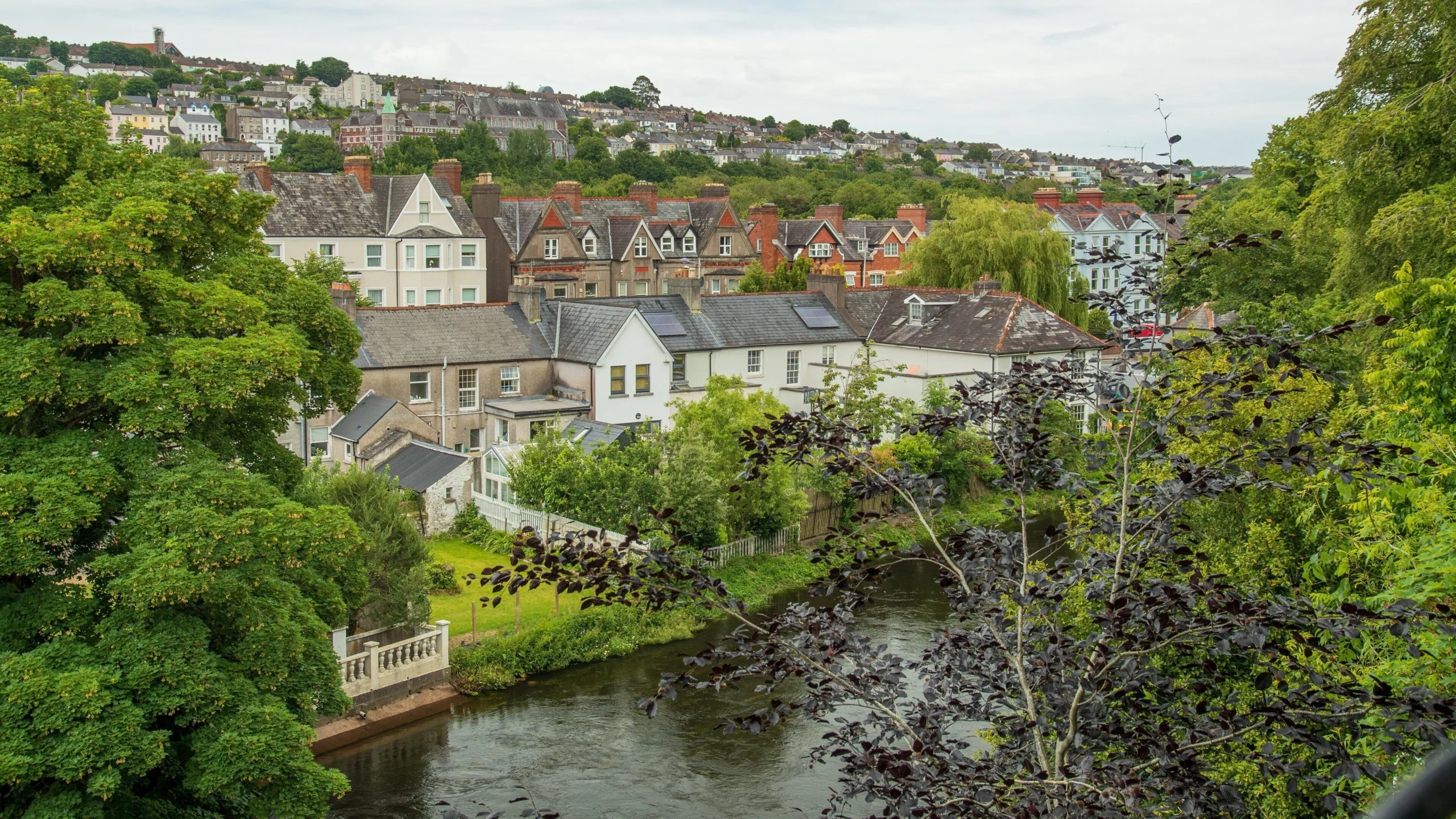
A trip to Cork rewards you with a walkable city center built on a river island, one of Ireland’s best food markets, and day-trip access to Blarney Castle and the Titanic port of Cobh. Plan at least two full days for the city, then add a third for nearby harbor towns.
My first morning in Cork, I stood on St. Patrick’s Street with a flat white from Filter, watching the morning rush spill off double-decker buses. The air smelled like roasted coffee and river water. It didn’t feel like a capital city; it felt like a real place.
Chidi, who runs our WakaAbuja logistics desk, had told me, “Cork is what Dublin wishes it still were. ” Two days in, I understood exactly what he meant.
Jump to: Is it worth it? | How many days? | Real costs | What to do | Day trips | Food & pubs | Getting around | Where to stay | Packing tips | Mistakes to avoid | FAQs
Key takeaways
- Cork city center sits on an island in the River Lee and is almost entirely walkable.
- Budget around €100 to €150 per person per day for mid-range comfort, excluding flights.
- The English Market is non-negotiable for food lovers, open since 1788.
- Two full days are enough for the city; add a third for Cobh, Kinsale, or Blarney.
- Public buses 220 and 226 connect the airport to the city center for under €5.
- Cork has one of Ireland’s highest pub-per-person ratios, and pub culture drives the social scene.
- Rain is frequent but light; a proper waterproof jacket works better than an umbrella.
Is Cork worth visiting on your Ireland trip?
Yes, and I would argue it’s the most honest introduction to urban Ireland you can get. Cork lacks the polished sheen of Dublin’s Temple Bar, and that’s exactly its strength. It’s a working city with a thriving food culture, a fiercely proud local identity, and street art you stumble upon without a map.
During our research trip, Fatima from our Lagos team texted me after her first hour: “This doesn’t feel like a tourist attraction. It feels like a city that just lets you hang out.” That’s the draw. You can visit the Crawford Art Gallery for free, walk the river to the university in under half an hour, and end the night in a pub where a trad session erupts because a local fiddler simply walked in.
Chidi’s honest take: “If Dublin is the polished living room, Cork is the warm kitchen. The craic is real here, not packaged for a tour bus.”
If you’re building a broader Ireland itinerary, we’ve also written about how Cork fits into a Dublin comparison. Check our guide on choosing between Ireland’s cities for first-timers.
How many days in Cork is enough?
Two full days cover the city core, the English Market, Shandon Bells, a couple of galleries, and two solid pub evenings. A third day opens up the harbor towns. With four days, you can loop Kinsale and Blarney without rushing or take the train east to Midleton for the Jameson Distillery.
@elenacade Cutest lil weekend away 🤍🏰 #cork #corkireland #cobh #kinsale #ireland #blarneystone #blarneycastle #corkcitygaol #weekendtrip #weekendawayuk #irelandroadtrip #irishsummer #travel #medievalcastle #traveluk
Best for a short trip
- 2 days: City centre, English Market, one gallery, pub crawl, Shandon
- 3 days: Add Cobh and the Titanic Experience via a 25-minute train
- 4 days: Add Blarney Castle gardens and a slow afternoon in Kinsale
Worth considering
- A single overnight feels too rushed; you’ll miss the evening pub energy entirely
- Five days or more makes Cork a great base for West Cork peninsulas
What does a trip to Cork realistically cost?
Nobody writes the numbers clearly, so I kept receipts on our last scouting trip. A mid-range day in Cork for one person looks like this: a hostel dorm costs €30 to €45, a basic hotel double room split between two people costs €50 to €80 per person, lunch at the English Market costs €10 to €15, dinner at a gastropub costs €20 to €30, and a pint of Murphy’s or Beamish costs about €7. Add bus fares, a paid attraction ticket, and a coffee, and you land around €100 to €140 daily.
Budget travelers who book via Booking.com early and cook where possible can do it for €60 to €80. My first trip, I stayed at a B&B on Western Road for €95 a night, ate market lunches, and walked everywhere. I spent €240 total over two days, including pub rounds.
For Asian comparison travel costs, our team often cross-checks prices on Agoda, though its strength lies more in Southeast Asia. If you’re hunting a family villa near Kinsale for a group, Vrbo shows large houses with kitchens that bring daily food costs down sharply.
Flight prices into Cork Airport swing significantly. I always start with Kayak for cross-airline comparisons, then check Expedia for hotel-plus-flight bundles that sometimes undercut booking separately.
What are the must-do things in Cork city?
The English Market on Princes Street is the anchor. It’s covered, loud, and smells like sourdough, fresh fish, and spice. Go mid-morning, grab a coffee from the stall near the Grand Parade entrance, and walk every aisle. The drisheen and tripe are the traditional markers; the Farmgate Café upstairs does a full Irish breakfast with ingredients sourced from the stalls below.
@daraghfleming
After the market, climb Shandon Bells at St. Anne’s Church. You can pull the ropes yourself, ringing bells across the city. It costs €5 to enter and climb. The tower is narrow, the steps are uneven, and the view from the top gives you the full river-island layout of the city in one glance.
The Crawford Art Gallery (free entry) houses the Canova Casts, a room of classical plaster casts that feel like a secret museum wing. A short walk east brings you to Elizabeth Fort, another free stop with a sharp, quick historical timeline of Cork’s defensive history.
Fatima’s honest take: “Climb Shandon before 11am. The light through the clock face is surreal, and you’ll have the tower nearly to yourself.”
Which day trips from Cork are actually worth the time?
Cobh is the easiest and most emotionally heavy. The 25-minute train from Kent Station (€7 return, roughly) drops you at a waterfront town where the Titanic made its last port call. The Titanic Experience museum occupies the original White Star Line ticket office and uses a multimedia approach that, honestly, caught me off guard with its directness. Book ahead via GetYourGuide in peak summer months.
@taliathecreator_ Day trip to Cork 10/10 would recommend 🇮🇪 #corkcity #ireland #daytrip #budgettravel #extremedaytrip
Blarney Castle and its gardens are an obvious stop, reached by bus 215 from the city center in 20 minutes. The castle entry fee sits around €20 for adults as of late this year. The grounds are genuinely impressive, and the Poison Garden with its labeled toxic plants is more interesting than the stone-kissing ritual above.
Kinsale, 40 minutes by bus 226, is the food-and-harbor option. Its narrow streets hold more quality restaurants per square meter than almost anywhere else in Ireland. The walk from Charles Fort back into town along the harbor edge is one of the best coastal footpaths I’ve done without needing a car. For more harbor-town comparisons, our Kinsale day-trip breakdown covers bus times and seasonal ferry availability.
Where should a first-timer eat and drink in Cork?
Skip the international chains on St. Patrick’s Street. For a proper pub meal, try The Oval on South Main Street for their lamb stew and a Beamish pint. Sin é on Coburg Street is the trad music anchor; it’s small, dark, and on most nights, someone starts playing without any announcement. Mutton Lane Inn, tucked down an alley off St. Patrick’s Street, is the oldest pub in Cork and feels like it.
For breakfast, Café Gusto on Washington Street bakes its own bread and does a flat white that rivals anything in Melbourne. For dinner, Market Lane on Oliver Plunkett Street sources almost everything from the English Market. Book a table, it’s small and fills fast. The early-bird menu gives you two courses for around €27.
We’ve gone deeper on Cork’s pub culture in our dedicated guide to the best pubs for live music in Cork, which covers session schedules and which ones pour the creamiest stouts.
Chidi’s honest take: “Don’t ask for a Guinness as your first pint in Cork. Order a Beamish or a Murphy’s. It shows you understand the local rivalry.”
What’s the easiest way to get around Cork without a car?
The city centre is entirely walkable. From the bus station at Parnell Place, you can reach the English Market in 4 minutes, Shandon in 10, and University College Cork in 20 along the riverside path. Bus Éireann routes 202, 205, and 208 are the core cross-city lines, and a Leap Card brings the fare down under €2 per trip.
@discoverireland.ie Discover the beauty of West Cork and Skibbereen – without a car! Amach linn! 👇 Day 1: 📍Coffee at @oneillcoffee 📍West Cork Crafts 📍 Antiquity book shop & café 📍 Uillinn: West Cork Arts Centre 🍽️ Lunch at An Chistin Beag 📍Inanna Rare Books 📍Irish Famine Exhibition at Skibbereen heritage centre 🚌 Take the 266B bus to Union Hall 📍Cnoc Buí 📍Forks, Focail and Folklore ebike tour with Gormú 🚌 Head back to Skibbereen on the 266B bus 🍽️ Dinner at The Church Restaurant Day 2: 📍Coffee at Brew O’Learys 🚌 Hop on the 266A to Baltimore 🛥️ @capeclearferries 📍Cléire Goats Farm 📍Kayaking with Lasmuigh 📍Fastnet Lighthouse 📍Bushes Bar Baltimore 🚌 Take the 266A back to Skibbereen 🍽️ Dinner at Wild Ways at Dillon’s Corner SAVE this post and start planning! 🎥 masdasull [IG] . . . #CarFreeCareFree #WildAtlanticWay #WestCork #Skibbereen #Baltimore #CapeClearIsland #CarFreeTravel #IrelandItinerary
From Cork Airport, buses 225 and 226 run every 30 minutes to the city center for roughly €4.50 one-way. A taxi costs around €18 to €22 and takes 15 minutes. The train station (Kent Station) connects directly to Cobh, Midleton, and Dublin with Irish Rail. Check schedules on the official Irish Rail site before travel, as weekend engineering works occasionally replace trains with buses.
For tours outside the city, I used TripAdvisor reviews to vet day-tour operators before booking through GetYourGuide. It saved me from a rushed Blarney-and-Cobh combo bus that spent more time on the motorway than at the sites.
What’s the best neighborhood to stay in in Cork?
The Victorian Quarter (MacCurtain Street area) is my pick. It’s quieter at night than the Oliver Plunkett Street side, but you’re a 5-minute walk across the bridge to everything. The Metropole Hotel sits right there, and its old-world lobby bar feels like a period film set.
Washington Street and Western Road suit budget travelers. You’re closer to UCC, which means more casual cafés and late-night takeaway spots. I stayed at a guesthouse on Western Road that I booked through Hotels.com for the loyalty night credits, but the same property also appeared on Booking.com with free cancellation. Always cross-check; the nightly rate sometimes differs by €15 between platforms.
For families or groups, the St. Luke’s Cross area has whole apartments listed on Vrbo with two bedrooms and full kitchens, often for less than two hotel rooms. Our guide to Cork accommodation by neighborhood maps out specific streets and noise levels.
What should I pack for Cork’s weather?
Cork’s weather shifts in minutes. A single afternoon can deliver sun, sideways rain, and a sudden calm. The average summer daytime temperature hovers around 17 to 19°C, and winter rarely drops below 2°C. Snow is unusual; damp cold is constant. Met Éireann data shows Cork records measurable rainfall on roughly 150 days a year, but most of it is light and intermittent.
@theconsistentcorkrunner #corkcity #corkweather #corkireland #corktiktok #irishtiktok
♬ Be Young, Be Foolish, Be Happy – Single Version – The Tams
Pack a waterproof shell jacket, not an umbrella. The wind off the Lee makes umbrellas useless. A pair of waterproof leather boots works better than trainers. Layers are everything: a merino base, a fleece mid-layer, and that waterproof outer shell. In summer, you’ll still want the shell. I learned this the hard way on an August afternoon on Oliver Plunkett Street, ducked under a pub awning with a soaked cotton hoodie.
How to plan your Cork trip around festivals and seasons
Cork’s calendar can shape your entire experience. The Cork Midsummer Festival in June fills the streets with theater, dance, and late-night pop-up bars. The Guinness Cork Jazz Festival in late October transforms practically every pub into a music venue, and accommodation prices double. Book jazz festival beds at least four months ahead.
July and August bring the best chance of dry afternoons but also peak hotel rates and crowded English Market aisles. Shoulder seasons (May, early June, September) deliver a sweet spot. I prefer September: the students are back, the pubs hum, and the light over the river at dusk is golden and long.
For accurate festival dates, the official Pure Cork events page is the authoritative source. We cross-reference it for our seasonal Cork calendar guide, which includes exact festival weeks as they’re announced.
What are the biggest first-timer mistakes in Cork?
Fatima kept a note on her phone during her first week. Here’s what we compiled from her missteps and ours:
- Skipping the English Market on a Sunday. It’s closed. Check opening hours; the market runs Monday to Saturday only.
- Ordering a Guinness without trying Beamish first. Cork has its own stout identity. Taste it.
- Relying on a car inside the city center. One-way streets, pedestrianized zones, and limited parking make walking or buses the smarter choice.
- Assuming Blarney Castle is a quick stop. The gardens alone need two hours. Rushed visitors miss the fern garden and the rock close.
- Only visiting pubs on Oliver Plunkett Street. MacCurtain Street and Douglas Street hold equally strong, less crowded pub rows.
- Not carrying cash for the English Market. While many stalls now take cards, a few older fishmongers and vegetable sellers remain cash-only.
- Missing the butter museum. The Cork Butter Museum explains an industry that once made Cork the world’s largest butter exporter. It’s odd, fascinating, and takes 45 minutes.
Frequently asked questions
Is Cork safe for solo female travelers?
Yes. Cork consistently ranks as one of Ireland’s safest cities. The city center is well-lit and busy into the evening. Standard precautions apply: stick to well-populated streets after midnight, and let your accommodation know if you’re heading out alone to more remote areas like the university campus late at night.
Is Cork better than Dublin for a first Ireland trip?
It depends on what you want. Dublin has more museums and big-hitter attractions like Trinity College and the Book of Kells. Cork gives you a more relaxed, local-feeling city that is easier to navigate, cheaper to sleep in, and closer to harbor towns. If you have a week, do both. If you have a weekend, Cork delivers more authenticity in less time.
Can you visit Cork without a car?
Absolutely. The city center is compact and walkable. Train and bus links to Cobh, Midleton, Kinsale, and Blarney are reliable and inexpensive. For remote peninsulas like Mizen Head or the Beara Peninsula, a rental car or guided tour becomes necessary.
What is Cork famous for?
Cork is known for the English Market (operating since 1788), its independent food culture, the annual Jazz Festival, being the last port of call for the Titanic, Blarney Castle nearby, and a strong local identity as the “Rebel County.” It also produces two major Irish stouts: Beamish and Murphy’s.
Does it rain a lot in Cork?
Cork gets roughly 150 rainy days a year, but the rain is typically light and intermittent rather than heavy downpours. The wettest months are October through January. A waterproof jacket and layered clothing handle it better than an umbrella, which the wind often destroys quickly.
Is Cork an expensive city to visit?
Cork is moderately priced by Western European standards. It is generally cheaper than Dublin for accommodation and dining. A mid-range daily budget runs €100 to €150 per person. Budget travelers can manage €60 to €80 with hostel stays and market meals.
Plan your trip: booking platforms we trust
Our WakaAbuja travel team has used these platforms across multiple Ireland trips. They’re not sponsors, just tools that consistently gave us clear pricing and reliable booking.
Best for Cork city guesthouses and free cancellation policies.
Use for cross-airline price tracking on flights into Cork Airport.
Day tours, Blarney combos, and skip-the-line Cork experiences.
Pub and restaurant reviews with real traveler photos.
Whole apartments near Kinsale and family houses in Cork’s suburbs.
Loyalty night accumulation at Cork city center hotels.