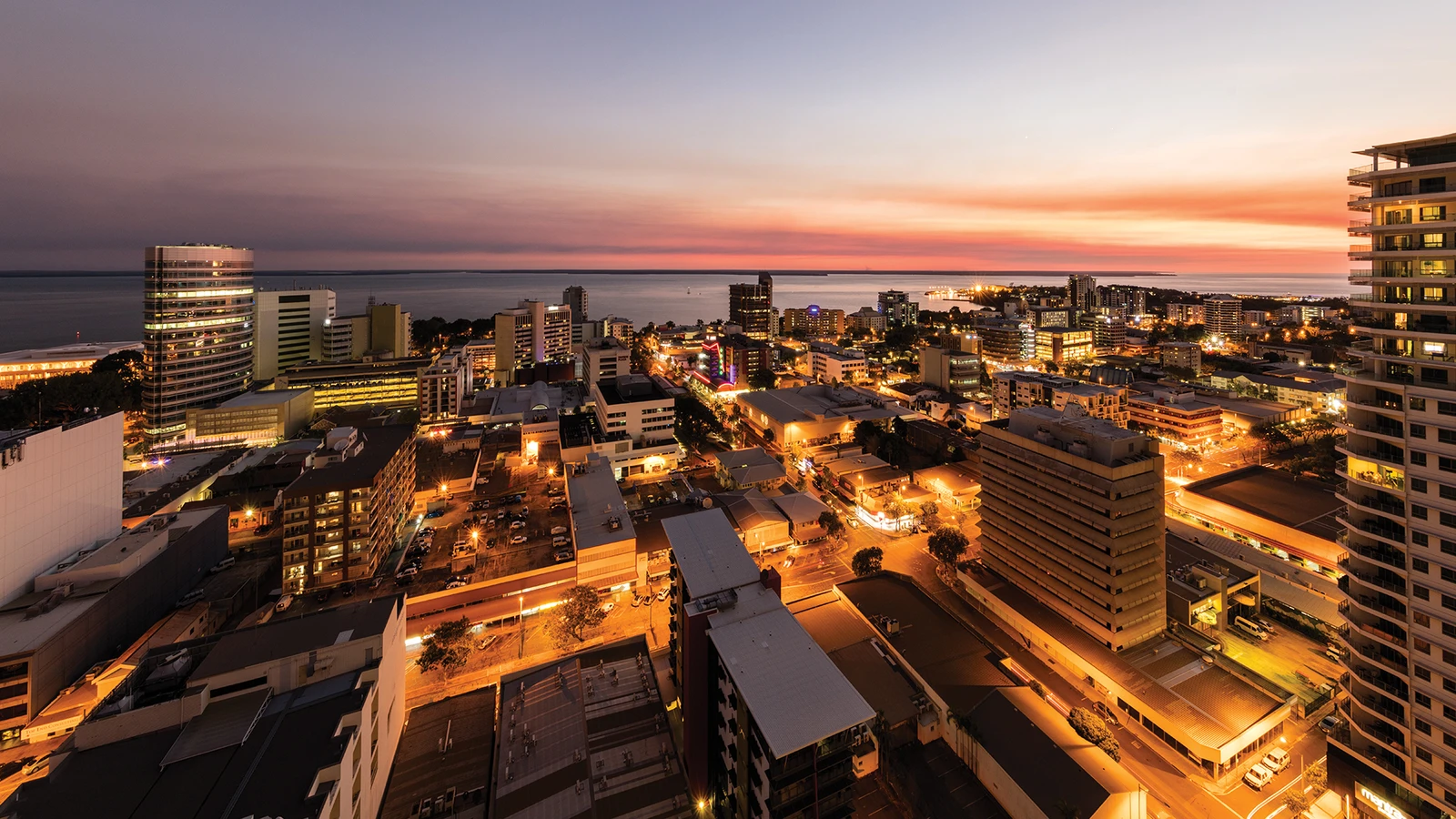
Plan your trip to Darwin with the right number of days, the best time to visit, and a realistic budget.
Fact-Checked By: Maya Whitfield—Senior Travel Editor at WakaAbuja
Plan a trip to Darwin with 3 to 4 full days as the sweet spot, which gives you time for the city plus a day trip to Litchfield National Park. Budget around 220 to 350 AUD per person per day for a mid-range trip, including hotel, meals, transport, and one paid activity, not including flights (confirm the latest price directly with the operator). The best time to go is the dry season from May to September, but the wet season from November to March is cheaper, greener, and dramatically less crowded if you can handle humidity.
I flew into Darwin in late October, the shoulder between the dry and the wet. The humidity hit me like a wet towel at the airport door. I had booked a rental car I barely used in the city, skipped Litchfield because I thought I did not have time, and spent the first evening wandering the waterfront wondering why I had not planned better. Darwin is not a hard city to visit, but it is an easy one to get wrong.
This guide gives you the real numbers, the right number of days, and the honest trade-offs so you do not repeat my first trip.
Jump to: Is Darwin Worth It? | How Many Days | Best Time to Go | What It Costs | Getting Around | Crocodiles & Safety | Top Things to Do | Sample Itinerary | FAQ
Key takeaways
- 3 to 4 days is the right length for most travelers. It covers the city, the markets, and Litchfield without rushing.
- Darwin has two seasons, not four. The dry season (May to September) is busy and expensive. The wet season (November to March) is cheaper and greener but very humid.
- You do not need a car in central Darwin. The city is walkable, and day-trip operators pick up from most hotels.
- Do not swim at the beaches. The crocodile risk is real, and the safest swimming is in controlled pools or designated safe swimming holes in national parks.
- Mindil Beach Sunset Markets are seasonal. They run Thursday and Sunday evenings from late April to October.
- Budget more than you think for day trips. A Litchfield tour runs 150 to 250 AUD per person (confirm the latest price directly with the operator).
Is Darwin Worth Visiting? A Quick Orientation

Darwin is not like Sydney or Melbourne. It is small, remote, tropical, and closer to Bali than to Brisbane. The city itself can be explored in a day or two, but the surrounding Top End, with its waterfalls, wetlands, and Aboriginal cultural sites, is the real reason to fly this far north. If you only want city museums and nightlife, Darwin will feel thin. If you want crocodile-filled rivers, monsoon forests, and some of the best sunsets in Australia, it is worth the long flight.
The Larrakia people are the Traditional Custodians of the Darwin region, and the city sits on their country. The area is called Garramilla in the Larrakia language, pronounced “Garr-ah-mill-ah.” Understanding this context is not a side note. It shapes how you move through the region, which tours you choose, and why certain sites carry protocols about access and photography.
Maya Whitfield’s honest take: “Darwin is not a city that shows off. It rewards you for slowing down, watching the sky change at sunset, and getting out of town into the parks. If you try to rush it, you will miss the entire point.”
How Many Days Do You Need in Darwin?
Three to four full days is the right answer for a first trip. That gives you two days for the city, the waterfront, and the markets, plus one full day for Litchfield National Park. If you want to add Kakadu, you need a week minimum, and even that feels rushed because Kakadu is three hours from Darwin each way.
Weekend trip (2 days)
- City sights, waterfront, and one sunset market.
- Skip the national parks entirely.
- Best if you are already in Australia and want a quick tropical break.
3 to 4 days
- City plus Litchfield National Park day trip.
- Enough time for the markets, the waterfront, and a crocodile cruise.
- The sweet spot for most first-time visitors.
7 days or more
- Add a full Kakadu National Park stay.
- Time for a Tiwi Islands art tour or a fishing charter.
- Best if you want the complete top-end experience.
Best Time for a Trip to Darwin: Dry Season vs. Wet Season
Darwin does not have spring or autumn. It has the dry and the wet, and the difference is not subtle. The dry season brings clear skies, lower humidity, and crowds. The wet season brings monsoon rain, intense humidity, and a landscape that turns electric green. Both are worth experiencing, but they are different trips entirely.
Dry season (May to September)
- Daytime temperatures of 25 to 32°C with low humidity.
- All tours, markets, and national park roads are open.
- Hotels cost 30 to 50 percent more than wet season rates (confirm the latest price directly with the operator).
- Book accommodation and tours 2 to 3 months ahead.
Wet season (November to March)
- Daytime temperatures of 28 to 34°C with very high humidity.
- Daily monsoon downpours, usually in the afternoon.
- Some national park roads close, and Litchfield may restrict swimming.
- Hotels are dramatically cheaper, and you will share the sights with far fewer people.
Maya Whitfield’s honest take: “I have done Darwin in both seasons. October is the wild card. It is technically the shoulder, but the humidity is crushing. If you can only go once, pick June or September.”
What Does a Trip to Darwin Actually Cost?
Darwin is not cheap, but it is cheaper than Sydney or Melbourne for comparable quality. Here is a realistic per-person daily budget for three comfort levels, not including flights. Prices are in Australian dollars (confirm the latest price directly with the operator).
Budget
Hostel bed: 35 to 60 AUD
Food: 40 to 70 AUD
Transport: 10 to 20 AUD
One activity: 50 AUD
Daily total: 135 to 200 AUD
Mid-range
3-star hotel: 120 to 200 AUD
Food: 80 to 120 AUD
Transport: 20 to 40 AUD
One-day tour: 150 AUD
Daily total: 370 to 510 AUD
Comfortable
4-star hotel: 250 to 400 AUD
Food: 150 to 220 AUD
Transport: 50 to 80 AUD
Private tour: 250 AUD
Daily total: 700 to 950 AUD
Flights to Darwin from Sydney or Melbourne run 200 to 450 AUD one-way (confirm the latest price directly with the operator). From Singapore or Bali, budget airlines often run 150 to 300 AUD one-way. From the US or Europe, Darwin is a long-haul flight with a connection in Sydney, Singapore, or Darwin; direct international links vary by season.
Getting to and Around Darwin
Darwin International Airport (DRW) sits only 7 kilometers from the city center, about a 15-minute drive. A taxi or rideshare costs 30 to 45 AUD (confirm the latest price directly with the operator). The airport shuttle bus is around 18 AUD per person (confirm the latest price directly with the operator). There is no train link.
The city center is walkable, and the waterfront is a short walk from the main streets. For day trips to Litchfield or Kakadu, you have two choices: join a guided tour that picks you up at your hotel or rent a car. Guided tours cost 150 to 250 AUD per person for a Litchfield day trip (confirm the latest price directly with the operator). A rental car costs 60 to 120 AUD per day plus fuel, and it gives you freedom but also responsibility in remote areas with limited phone coverage (confirm the latest price directly with the operator).
Is Darwin Safe? Crocodiles, Swimming, and Practical Safety Tips
Yes, Darwin is safe for tourists, but you need to take the crocodile risk seriously. Saltwater crocodiles live in the harbor, the rivers, and the coastal waters around Darwin. Do not swim at the beaches or in any unmarked waterway. The only safe swimming in the city is in controlled pools or at the wave lagoon on the waterfront.
In Litchfield National Park, designated swimming holes are monitored and cleared for crocodiles during the dry season, but always check current conditions before entering the water. Signs are there for a reason. Do not stand at the water’s edge in mangrove areas or at boat ramps. Crocodiles are ambush predators, and they are fast.
Maya Whitfield’s honest take: “The crocodile risk is real but manageable. Stay out of the water, read the signs, and you will be fine. The bigger risk in Darwin is sunburn and dehydration if you underestimate the heat.”
Top Things to Do in Darwin
Start with the Mindil Beach Sunset Markets if you are there between late April and October. They run Thursday and Sunday evenings, and the food stalls alone are worth the trip. The sunset over the Timor Sea, with the markets buzzing behind you, is the classic Darwin moment.
The Museum and Art Gallery of the Northern Territory is the best indoor option, with a strong Aboriginal art collection and the Cyclone Tracy exhibit. The waterfront wave lagoon is good for families and safe swimming. A crocodile cruise on the Adelaide River takes about half a day and gets you close enough to see a saltwater croc launch out of the water for food.
Sample 3-Day Darwin Itinerary
This plan works for a dry-season visit when the markets and Litchfield are open.
Day 1: The City and the Waterfront
Start at the waterfront wave lagoon for a morning swim. Walk through the city and visit the Museum and Art Gallery of the Northern Territory. In the late afternoon, head to the Mindil Beach Sunset Markets for dinner and the sunset.
Day 2: Litchfield National Park
Join a guided tour or rent a car and drive the 90 minutes to Litchfield. Swim at Wangi Falls and Florence Falls, check the magnetic termite mounds, and be back in Darwin by late afternoon. Book this day in advance during the dry season.
Day 3: Crocodiles and Departure
Take a morning crocodile cruise on the Adelaide River. Spend the afternoon wandering the botanic gardens or doing last-minute shopping, then head to the airport for an evening flight.
Frequently asked questions about a trip to Darwin
How many days do you need in Darwin?
Three to four full days is the right amount for a first trip. That gives you time for the city, the markets, and a Litchfield National Park day trip. Add more days if you want to include Kakadu.
Is Darwin expensive to visit?
Yes, but it is cheaper than Sydney or Melbourne for similar quality. Budget 220 to 350 AUD per person per day for a mid-range trip, not including flights (confirm the latest price directly with the operator). The biggest costs are accommodation and day tours.
Is it safe to swim in Darwin?
Do not swim at Darwin’s beaches or in unmarked waterways. Saltwater crocodiles are present in the harbor and rivers. The only safe swimming in the city is at controlled pools and the waterfront wave lagoon. In Litchfield, swim only at designated, monitored waterholes.
What is the best month to visit Darwin?
June and September are the best months. You get dry-season weather with slightly fewer crowds than July and August. May and October are also good, but October brings rising humidity as the wet season approaches.
Do you need a car in Darwin?
Not for the city center, which is walkable, or for guided day trips, which include hotel pickup. You need a car only if you plan to drive to Litchfield or Kakadu independently.
What is the wet season like in Darwin?
The wet season runs from November to March. Expect high humidity, daily afternoon downpours, and some national park road closures. The advantage is lower prices, fewer crowds, and a lush, green landscape.
Plan your trip: booking platforms we trust
These are the platforms I actually use to plan and book Darwin trips. I always cross-check the official sites against at least one of these before paying.
Booking.com
Best for comparing Darwin hotel rates and reading recent guest reviews.
Expedia
Useful for bundling Darwin flights and hotels into one package.
Kayak
Best for checking if Darwin flight prices drop before you book.
GetYourGuide
Good for booking Litchfield National Park day trips and crocodile cruises.
TripAdvisor
Essential for reading unfiltered reviews of Darwin hotels and tour operators.
Hotels.com
Useful if you collect rewards nights and want to apply them to a Darwin stay.
WakaAbuja does its best to keep all information accurate at the time of publishing. Prices, policies, and availability change regularly. Always verify with official sources before you travel. We are not liable for errors caused by outdated information. Travel insurance is strongly recommended.