advertisement
Melbourne Trip Planner: How Many Days, What It Costs, Where to Stay
Fact-Checked By Maya Whitfield, Senior Travel Editor at WakaAbuja
You need at least 3 full days in Melbourne for the city itself, and 5 to 7 days if you want to add the Great Ocean Road or Phillip Island. Budget 180 to 250 AUD per person per day for a comfortable mid-range trip, including accommodation, food, and transit. Stay in the CBD for first-timer convenience or Fitzroy for a more local, cafe-heavy experience. The best months to visit are March, April, October, and November.
Most Melbourne guides tell you what to see. This one tells you how many days you actually need, what it is going to cost, and how to get from the airport without overpaying. That is the stuff you need decided before you book anything. I have planned Melbourne trips for first-timers who only had a weekend and for travelers who stayed two weeks. The city works for both, but the planning math is completely different.
Jump to: How Many Days You Need | Best Time to Visit | 3-Day Itinerary | What It Costs | Getting Around | Where to Stay | FAQ
Key takeaways
- Three full days is the minimum for Melbourne. Five to seven days lets you add the Great Ocean Road and Phillip Island without rushing.
- A realistic mid-range budget is 180 to 250 AUD per person per day, covering accommodation, food, transit, and one or two paid attractions.
- Stay in the Melbourne CBD for your first trip. It is walkable, central, and connected to every tram line.
- Get a Myki card at the airport before you board the SkyBus or train. You cannot pay cash on Melbourne buses or trams.
- The best months are March, April, October, and November. Summer is busy and hot; winter is quiet but cold.
- Melbourne’s weather changes fast. A sunny morning can turn cold and rainy by afternoon, so pack layers no matter the month.
- You do not need a car in the city. The free tram zone covers the entire CBD, and the public transport network is excellent.
How Many Days Do You Need in Melbourne?
Three full days is the minimum for Melbourne itself. That gives you one day for the city center and laneways, one day for the inner neighborhoods like Fitzroy and St Kilda, and one day for a market, a museum, or a slower pace. If you try to do Melbourne in two days, you will spend the whole time on trams and leave feeling like you missed the point.
3 Days: The Quick City Break
Three days works if Melbourne is a stop on a longer Australian trip. You can see the highlights, eat well, and get a feel for the city without pretending to cover everything. Do not add a Great Ocean Road day trip on a 3-day itinerary. The road alone is three hours each way.
5 to 7 Days: The Full Trip
In five to seven days, you can do Melbourne properly plus one or two day trips. The Great Ocean Road deserves a full day, and Phillip Island for the penguin parade is an afternoon and evening commitment. I have done both as day trips, and they are worth it, but they are long days. Do not stack them back to back unless you love being in a car.
Maya’s honest take: “Melbourne is not a city you conquer. It is a city you settle into. Three days is a tasting. Five days are a meal. Seven days is when you start pretending you live there.”
Best Time to Visit Melbourne
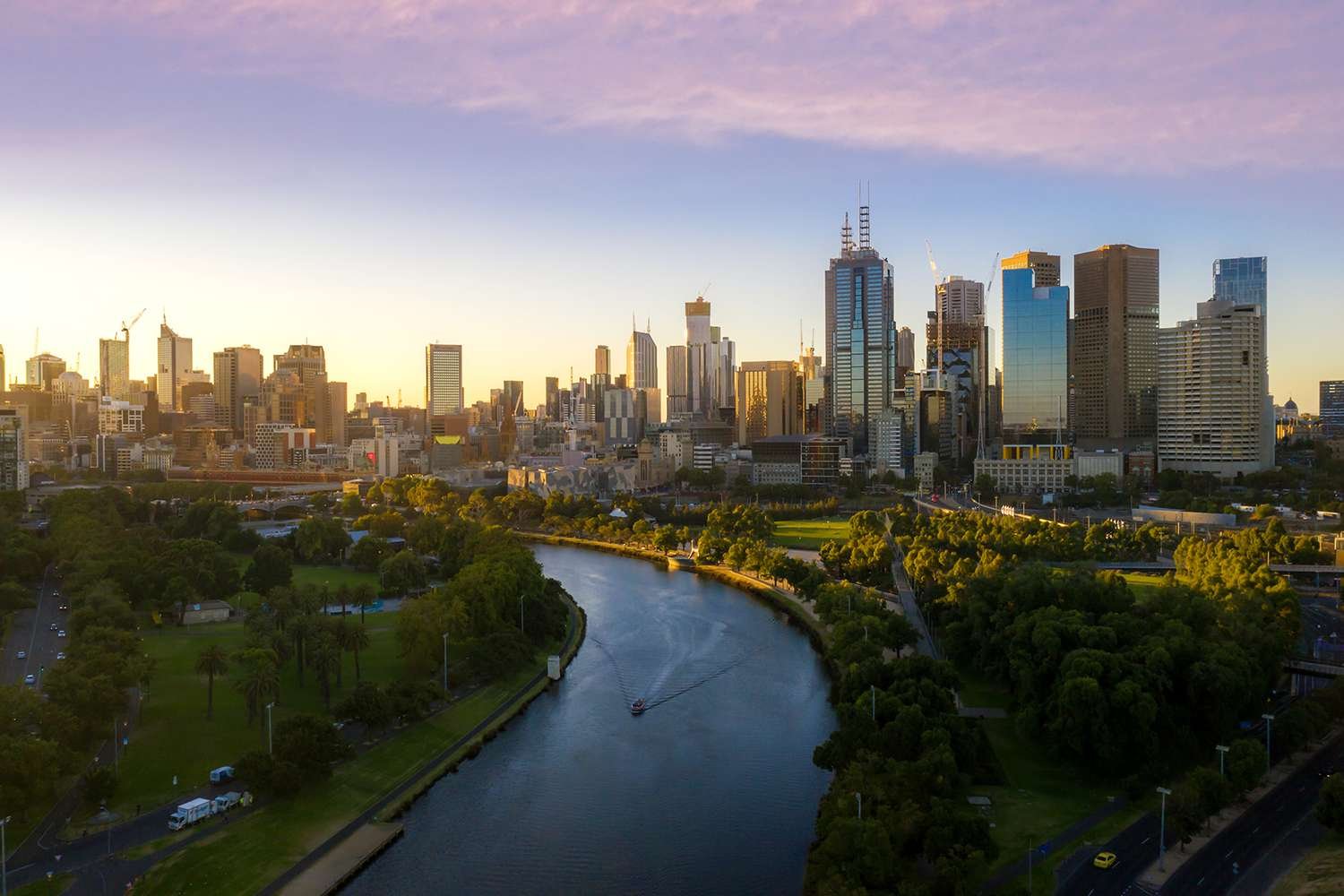
:max_bytes(150000):strip_icc()/melbourne-australia-MELBOURNETG0721-62ff9ae2570945ec80160ddf46ee7cb1.jpg "Melbourne Trip Planner: How Many Days, What It Costs, Where to Stay 1")
Melbourne is a year-round city, but the best months for a first trip are March, April, October, and November. These shoulder-season months have mild weather, fewer crowds than summer, and a full events calendar. March is my personal favorite. The heat of summer has faded, the light is clear, and the city feels like it is running at full speed.
Summer, from December to February, is the busiest and most expensive time. Hotel prices peak, and the Australian Open in January fills the city. It is also hot, sometimes over 35 degrees Celsius. Winter, from June to August, is cold and gray but quiet, and the cafe culture is made for it. The Melbourne International Comedy Festival runs in March and April, and the Melbourne Cup stops the whole city on the first Tuesday of November.
Best Months
- March and April: mild, clear, comedy festival
- October and November: spring, racing season, gardens in bloom
Good Months
- May and September: shoulder weather, fewer tourists
- December: festive, busy, pre-Christmas energy
Avoid If Possible
- January: hot, crowded, Australian Open prices
- June to August: cold, gray, and often rainy
3-Day Melbourne Itinerary, Day by Day
This is the itinerary I give to first-timers who have exactly three full days. It assumes you are staying in or near the CBD and using the free tram zone plus a Myki card for anything further out. It is not overstuffed. It leaves room for coffee stops, which in Melbourne are mandatory.
Day 1: The City Center and Laneways
Start at Federation Square, then walk across the river to Flinders Street Station for the classic photo. Spend the morning wandering the laneways and arcades, especially Hosier Lane for street art and the Block Arcade for old Melbourne architecture. Lunch at a laneway cafe, then visit the State Library of Victoria, which has a stunning reading room. End the day with dinner in Chinatown or on Flinders Lane.
Day 2: Fitzroy, Carlton, and the North Side
Take the tram to Fitzroy and spend the morning on Gertrude Street and Brunswick Street. This is the cafe, vintage shop, and street art heart of Melbourne. Afternoon in Carlton, home to the Royal Exhibition Building and the Melbourne Museum. Dinner on Lygon Street, the city’s Italian strip. Get gelato afterward, even if it is cold.
Day 3: Markets, St Kilda, and the River
Start at the Queen Victoria Market, open Tuesday through Sunday. It is the largest open-air market in the Southern Hemisphere and the best place for breakfast and food souvenirs. Afternoon in St. Kilda, where you can walk the pier, see the beach, and watch for little penguins at dusk. Finish with a walk along the Yarra River at Southbank, where the city lights come on at night.
For guided tours, day trips to the Great Ocean Road, or a food-focused walking tour, I use GetYourGuide because the Melbourne options are extensive and the reviews are current. For restaurant and cafe recommendations, TripAdvisor is still the fastest way to see recent visitor feedback.
How Much Does a Trip to Melbourne Cost?
Melbourne is not cheap, but it is more affordable than Sydney. A budget traveler can do it for around 100 to 130 AUD per day. A mid-range traveler should budget 180 to 250 AUD per day. A higher-end trip runs 350 AUD per day and up. These numbers include accommodation, food, transit, and a paid attraction or two, but not your flight into Melbourne.
@abundantonabudget Read me for the nitty gritty! ⬇️ We love going on little trips, so it’s something we’ve learned to do on a budget! This is the most expensive trip we’ve been on in years, and we still came in under $900. Breakdown: Accomodation – $708 Parking – $50.25 Food Staples – $28 Coffee/dessert etc – $71.92 Dinners – $21.60 at Mcdonalds $19.90 at Nando’s (we had a voucher) $22.37 at Ta-ke Don (SO cheap and delicious) Total spend: $894.04 Ways we could have made it cheaper: – Accomodation: there were definitely cheaper options, but we chose based on location and I have no regrets on that. We could have also gone for something with more of a kitchenette (which we usually do) so we could prepare more food in the room. – Food: If we’d had a microwave we may have utilised frozen meals for one night. We also could have just splurged a little less on sweet treats! We got crepes one night that were $23 and we tried Bloomwood after many recommendations and that was $24.50. BEST pastry I’ve ever had, and I confirmed I do in fact really hate matcha 😂 We saved a couple rewards and vouchers to use which saved us around $40 on food as well! We didn’t get to a lot of specific activities, however there’s a tonne of free tours, museums and things to do and see in Melbourne… in fact there’s a lot of cheap and free things to do all over the place if you look! Usually we aim to spend around $700ish on a trip and that’s been very doable in the past especially if you choose your location well! #budgetfriendly #abundantonabudget #whatispentthisweek #whatIspent #spendingrecap
Budget: 100 to 130 AUD per day
- Hostel or budget hotel: 40 to 60 AUD
- Food: 30 to 40 AUD for cafes and casual meals
- Transit: 10 to 15 AUD with Myki
- Attractions: 20 to 30 AUD for markets and free sights
Mid-range: 180 to 250 AUD per day
- 3 or 4-star hotel in the CBD: 120 to 180 AUD
- Food: 60 to 80 AUD for good restaurants and coffee
- Transit: 15 to 20 AUD, including occasional ride-share
- Attractions: 40 to 60 AUD for a tour or museum entry
Higher-end: 350-plus AUD per day
- Boutique or 5-star hotel: 250-plus AUD
- Food: 150-plus AUD for fine dining and wine
- Transit: 30-plus AUD for private transfers
- Attractions: 100-plus AUD for premium tours and shows
For a 5-day, mid-range trip for one person, expect to spend around 900 to 1,250 AUD before flights. For booking hotels in Melbourne, Booking.com has the widest selection in the CBD and inner suburbs. If you are collecting rewards, Hotels.com is a solid alternative for the same properties.
Getting Around Melbourne: Myki, Trams, and Airport Transfers
Melbourne has the largest tram network in the world, and the entire CBD is covered by a free tram zone. You do not need a Myki card to ride within that zone, but the moment you leave it, you must have one. You cannot pay cash on Melbourne buses or trams. This catches first-timers constantly.
Buy a Myki card at the airport, at any 7-Eleven, or at major train stations. The card costs about 6 AUD, and you load credit onto it. A single city-center trip costs around 5 AUD, with a daily cap of about 10 AUD. For most visitors, the daily cap means you stop paying after your second or third ride.
From Melbourne Airport, the SkyBus is the easiest option. It runs every 10 minutes and takes about 30 minutes to Southern Cross Station in the city. A one-way adult ticket is around 22 AUD. A taxi or ride-share costs 60 to 80 AUD depending on traffic. The SkyBus is almost always the better choice unless you are arriving very late at night.
For comparing flight prices into Melbourne, Kayak searches both Tullamarine and Avalon airports, which matters because budget airlines use Avalon. For bundling flight and hotel, Expedia often has package deals that beat booking separately.
Where to Stay in Melbourne for a First Trip

The Melbourne CBD is the easiest base for first-timers. You are inside the free tram zone, within walking distance of the river, and surrounded by restaurants. It is not the most characterful area, but it is the most convenient. If you want a more local feel, stay in Fitzroy or Collingwood, which are full of cafes and street art but require a tram to reach the main sights.
CBD
Best for first-timers. Walkable, central, free tram zone. Hotel-heavy and busy, but you can reach everything quickly.
Fitzroy and Collingwood
Best for cafe culture and local vibes. Full of vintage shops, street art, and good food. About 10 to 15 minutes by tram from the center.
Southbank and St Kilda
Southbank is polished and river-facing, good for families. St. Kilda is beachy and relaxed but further from the main sights and colder at night.
For family apartments with more space than a hotel room, Vrbo has good options in Southbank and the CBD. For a longer stay where you want to live like a local, an apartment in Fitzroy booked through a platform like Vrbo or Booking.com often beats a hotel on both price and feel.
Top Things to Do in Melbourne on a First Trip
You cannot do everything, and Melbourne is not a checklist city. These are the experiences I would prioritize for a first visit, in this order.
- Wander the laneways: Hosier Lane for street art, Degraves Street for cafes, and Hardware Lane for lunch. This is the city’s real center.
- Queen Victoria Market: Go hungry. The food halls have the best breakfast in the city.
- National Gallery of Victoria: Free general entry, world-class collection, and a great rainy-day option.
- Royal Botanic Gardens: One of the best urban gardens in the world. Free, peaceful, and huge.
- St Kilda Pier at dusk: The little penguins return at sunset, and the pier has a perfect view of the city skyline.
- State Library of Victoria: The reading room alone is worth the visit. It is one of the most beautiful rooms in Australia.
Frequently Asked Questions
How many days do I need for a trip to Melbourne?
Three full days is the minimum for Melbourne itself. Five to seven days is better if you want to add the Great Ocean Road or Phillip Island without rushing. Melbourne rewards a slower pace, so more time is almost always better.
Is Melbourne expensive to visit?
Melbourne is moderately expensive. A mid-range traveler should budget 180 to 250 AUD per person per day, including accommodation, food, and transit. Budget travelers can do it for around 100 to 130 AUD per day, while higher-end trips run 350 AUD or more per day.
What is the best month to visit Melbourne?
March and April are the best months. The weather is mild, the summer crowds have left, and the Melbourne International Comedy Festival is on. October and November are also excellent, with spring weather and the racing season.
Do I need a car in Melbourne?
No, you do not need a car in central Melbourne. The free tram zone covers the CBD, and the wider tram and train network reaches the inner suburbs. A car is only useful for day trips to the Great Ocean Road or Phillip Island, and those can also be done as guided tours.
How do I get from Melbourne Airport to the city?
The SkyBus is the easiest and cheapest option, running every 10 minutes from Melbourne Airport to Southern Cross Station for about 22 AUD one-way. A taxi or ride-share costs 60 to 80 AUD. The SkyBus takes about 30 minutes in normal traffic.
What is the free tram zone in Melbourne?
The free tram zone covers the entire Melbourne CBD and extends to the waterfront at Docklands. You do not need a Myki card to ride within this zone. Once you leave the zone, you must have a Myki card with credit on it, as you cannot pay cash on Melbourne trams or buses.
Is Melbourne good for families?
Yes, Melbourne is very family-friendly. The Melbourne Museum, the Royal Botanic Gardens, St Kilda Beach, and the Queen Victoria Market all work well with kids. The city is walkable and safe, and the tram network makes getting around easy even with a stroller.
What is the difference between Melbourne and Sydney?
Melbourne is known for its culture, food, street art, and cafe scene. Sydney is known for its beaches, harbor, and outdoor lifestyle. Melbourne is more European in feel, while Sydney is more coastal and outdoorsy. Both are worth visiting, but they offer different experiences.
Plan your trip: booking platforms we trust
For a Melbourne trip, the booking order I recommend is flight first, then hotel, then day trips and special meals. Here are the platforms I use for each step, based on what actually works for Melbourne specifically.
Best for comparing flights into Tullamarine and Avalon airports.
The widest selection of CBD and inner-suburb hotels.
Good for Great Ocean Road day trips and food tours.
Best for family apartments in Southbank and the CBD.
Good for recent restaurant and cafe reviews.