
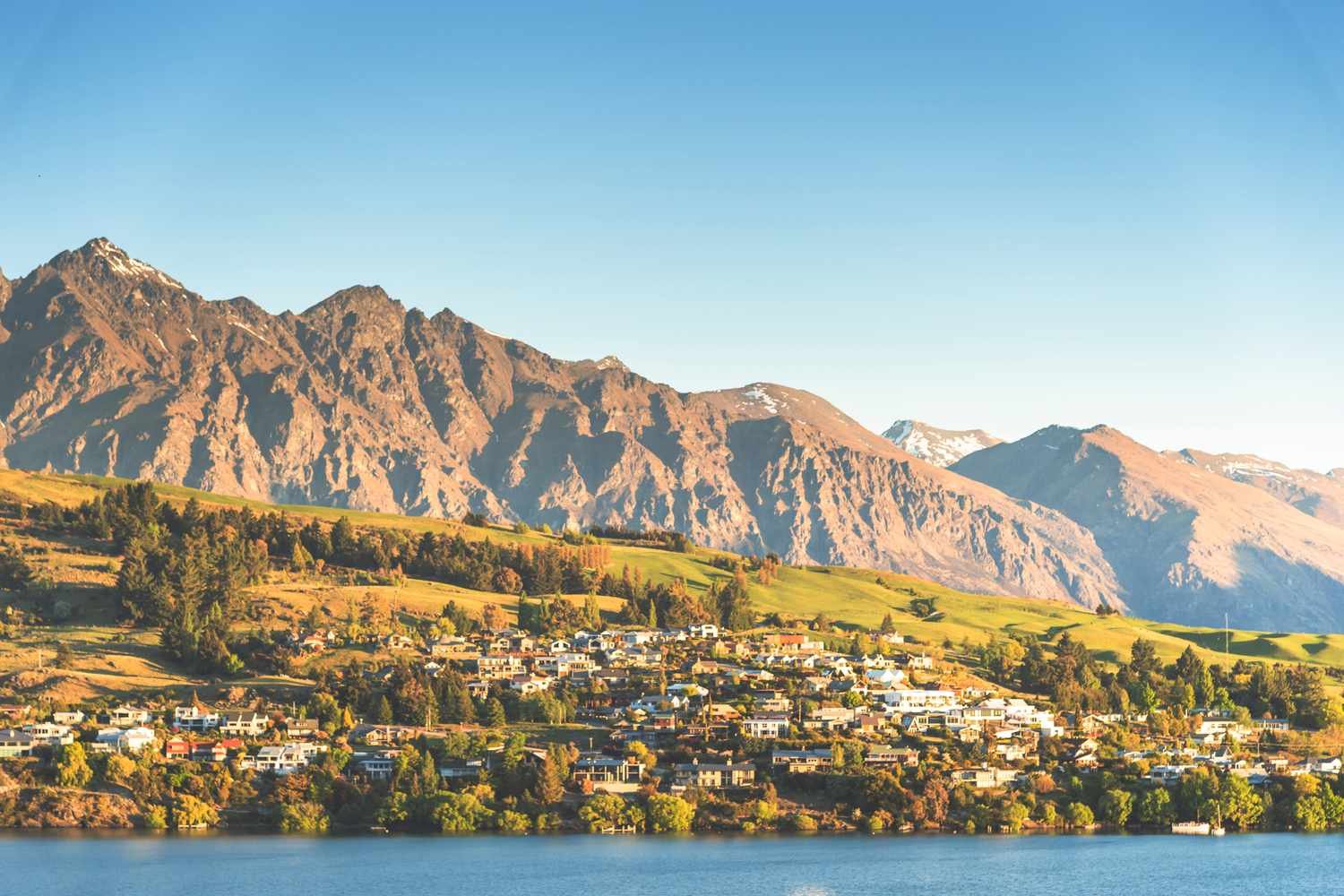
Trip to Queenstown New Zealand: Itineraries, Costs, and the Right Season to Visit
A trip to Queenstown, New Zealand, works best with five full days: enough for Lake Whakatipu, Arrowtown, one adventure activity, a scenic excursion, and a weather-buffer day. Choose December to February for summer outdoor activities, March to May for autumn scenery, or winter for a snow-focused holiday, and stay near the town centre if you prefer not to drive. Queenstown’s official tourism organization recommends five to seven days for a broader introduction to the region.
Some links on this page are affiliate links. We may earn a commission at no extra cost to you.
Queenstown makes it tempting to book everything: a gondola, a jet boat, a vineyard tour, a scenic flight, and Milford Sound. The better approach is to choose your priorities before paying for activities, then leave enough space for changing mountain weather.
This guide combines three itineraries, neighborhood trade-offs, and a transparent budgeting method. The recommendations are editorial planning judgments, not claims of personal stays or tested tours.
Key takeaways
Queenstown is a compact town surrounded by a much larger adventure region. Use the official Queenstown planning guide to distinguish central activities from excursions requiring separate transport.
- Three days covers a short introduction; five days allows a more balanced first visit; seven days supports slower travel and additional excursions.
- Central Queenstown is my recommended first-time base for walking to meals, shops, and activity meeting points.
- A rental car is optional for a town-based holiday with organized excursions, not an automatic requirement.
- Book a few priority experiences, but keep a weather buffer before your departure.
- Separate accommodation, transport, entry requirements, and paid activities when building your budget.
- Check Immigration New Zealand before booking international travel. An NZeTA and a visitor visa are not interchangeable.
When is the best time for a trip to Queenstown, New Zealand?
The best time to visit Queenstown depends on your main activity. Summer suits long outdoor days, autumn suits colorful landscapes and gentler sightseeing, and winter suits skiing and snowboarding; spring requires a flexible plan around changing conditions.
Destination Queenstown identifies summer as December to February, autumn as March to May, winter as June to August, and spring as September to November. Ski-field opening and closing dates are separate from calendar seasons and should be checked with the operator.
Summer: December to February
Choose summer for lake activities, cycling, and a sightseeing-heavy itinerary. The trade-off is strong demand, so secure suitable accommodation before filling the calendar with tours.
Autumn: March to May
Choose autumn for Arrowtown, photography, and a mix of walks, food, and wine. Pack for cooler conditions rather than assuming every day will feel like late summer.
Winter: June to August
Choose winter for a snow-focused holiday. Shorter days, icy conditions, and mountain access require more planning, even if you do not intend to ski.
Spring: September to November
Choose spring if you can adapt activities to the forecast. Snow on the mountains does not mean every trail is suitable for a casual walk.
My planning preference is autumn for a non-skiing first visit. Summer is a stronger choice if long outdoor days matter more than avoiding peak demand.
How many days do you need in Queenstown?
I recommend five full days for a first Queenstown visit. Three days gives a satisfying introduction, while seven days leaves room for weather changes, a regional excursion, and activities that would otherwise compete for the same afternoon.
The official Queenstown trip-planning page recommends five to seven days to explore beyond the usual highlights. Count full sightseeing days separately from arrival and departure days.
- Three days: town, lake, Arrowtown, and one major activity.
- Five days: add Glenorchy and either Milford Sound or a second priority experience.
- Seven days: add Wānaka, a slower local day or additional ski days.
If Queenstown follows a long international journey, keep the arrival afternoon simple. A lakeside walk and an early dinner are a better start than a non-refundable activity booked close to your landing time.
Queenstown itineraries for 3, 5, and 7 days
Build a Queenstown itinerary around one anchor experience per day. These plans are alternatives, not a challenge to fit every attraction into one holiday; use the official seasonal itineraries to adjust the activity mix to your travel month.
Three-day Queenstown itinerary
- Day 1: Explore central Queenstown and the Lake Whakatipu waterfront. Add the Skyline Gondola if visibility and your energy level make it worthwhile.
- Day 2: Choose one adventure experience, such as bungy jumping or jet boating, then leave the afternoon open for a short walk or a relaxed meal.
- Day 3: Visit Arrowtown for heritage, cafés, and an easy-paced outing. Return early enough to avoid turning departure preparations into a rush.
Rainy-day adjustment: move the viewpoint or adventure booking within the operator’s cancellation rules. Use the wetter period for food, shops, or local heritage rather than forcing an exposed outdoor plan.
Five-day Queenstown itinerary
- Day 1: Town center, waterfront, and orientation.
- Day 2: Your priority adventure activity, with a relaxed afternoon.
- Day 3: Arrowtown and, if transport works, a Central Otago wine experience.
- Day 4: Choose Glenorchy for scenery or Milford Sound for a substantial Fiordland excursion.
- Day 5: Keep a weather buffer, take a suitable short walk, or rebook an activity disrupted earlier.
Do not add both Glenorchy and Milford Sound to the same day. If both are priorities, replace the wine outing or extend the stay.
Seven-day Queenstown itinerary
Use the five-day plan, then add a Wānaka outing and a slower local day. In winter, replace several sightseeing days with pre-arranged ski days rather than adding skiing on top of an already full itinerary.
For a longer South Island journey, consider moving accommodation instead of repeatedly returning to Queenstown. Destination Queenstown’s Southern Way itinerary shows how Queenstown can connect with a wider regional route.
How do you get to Queenstown?
Queenstown Airport, identified by the code ZQN, is the main air gateway for a Queenstown holiday. Compare the complete journey, including connections, baggage, and arrival time, rather than choosing solely on the headline fare.
The official getting-here guide covers air, road, and coach access. From Auckland, compare domestic flights; from Christchurch, compare flying with a deliberate South Island road trip; from Sydney, check current direct schedules and connecting alternatives. Routes and flight frequency can change.
For international connections through another New Zealand airport, allow time for the applicable arrival formalities and onward check-in. Confirm the connection requirements with your airline rather than treating every transfer as airside.
Use our flight comparison planning guide before booking. Avoid placing an expensive, non-refundable tour immediately after arrival.
Do you need a car in Queenstown?
You do not need a car for a central Queenstown stay built around walking, public buses, and organized excursions. A rental car becomes more useful when your accommodation is remote or your itinerary includes several independently planned regional stops.
The town center is compact and walkable, while Orbus provides local connections. Use Otago Regional Council’s Queenstown timetables for your actual route rather than assuming every sightseeing destination is on the local network.
Airport bus fares: the detail worth checking
Otago Regional Council lists an adult Bee Card bus fare of NZD 2.50 (check current fares with Orbus). The adult cash fare is NZD 4 for ordinary Queenstown journeys (check current fares with Orbus), but NZD 10 for journeys to or from Queenstown Airport (check current airport fares with Orbus). Airport buses accept cash or a Bee Card under the published guidance.
That difference matters: an airport cash fare is not the same as the ordinary town cash fare. Check the official Orbus fares page and Bee Card purchase arrangements before arrival.
Choose a rental car if
- You are combining Queenstown with a wider South Island road trip.
- Your accommodation is poorly suited to walking or local buses.
- You want several flexible regional outings and are comfortable driving in the conditions.
Choose transfers or a guided excursion if you would rather avoid unfamiliar mountain roads, parking, or driving after wine tasting. Ski-field transport is a separate planning task; check the operator’s bus, booking, and equipment rules.
Where should you stay in Queenstown?
Central Queenstown is my recommended base for a short first visit, while Frankton suits airport convenience and selected apartment stays. Arrowtown and Glenorchy suit travelers who deliberately want a different atmosphere, not simply a cheaper room with a Queenstown label.
Use Destination Queenstown to understand the region, then check the precise address and transport connections before booking.
Town centre
Choose central accommodation for restaurants, activity pickups, and a car-free stay. Check whether the property involves a steep uphill walk and whether nightlife noise affects the room.
Compare central Queenstown hotels, then verify the full address.
Frankton
Choose Frankton for airport access or accommodation that suits a longer stay. The trade-off is travelling into the town centre for many meals and activities.
Compare Frankton accommodation options against your transport plan.
Arrowtown
Choose Arrowtown for heritage, a quieter evening and a slower regional stay. It is not a walkable substitute for central Queenstown, so plan transport explicitly.
Glenorchy
Choose Glenorchy when scenery and a quieter setting are the point of the stay. It is a separate base, with different dining and transport practicalities.
For families, compare self-catering accommodation with hotel rooms after adding cleaning charges, parking and transport. Our hotel planning articles explain broader accommodation trade-offs.
What should you do in Queenstown?
Choose Queenstown activities by interest, not by the length of an attraction list. A balanced first visit combines lake scenery, one paid highlight and enough unstructured time to enjoy the setting.
- Scenery: the Lake Whakatipu waterfront, a suitable walking route or the Skyline Gondola.
- Adventure: bungy jumping, jet boating or tandem skydiving, subject to the operator’s restrictions.
- Food and wine: Arrowtown, Gibbston and Central Otago tasting experiences.
- Winter sports: a ski-focused plan with equipment, lessons and mountain transport arranged together.
- Slower travel: cycling, heritage visits and time by the lake.
The official Queenstown visitor site is a useful starting point for finding operators. Then check the individual operator’s eligibility requirements, weather policy and cancellation terms.
You can compare Queenstown activities and tours, but make sure the product includes the transfer or admission you actually need. A scenic ride, an activity package and a transport-only ticket are different purchases.
Which Queenstown day trips are worth adding?
Arrowtown suits a gentler local outing; Glenorchy suits a scenery-focused day; Wānaka deserves deliberate transport planning; and Milford Sound is a substantial excursion into Fiordland. They are not interchangeable half-day add-ons.
Milford Sound
For a short Queenstown stay, compare a coach-and-cruise excursion with self-driving before choosing. Consider total time away, road conditions, cruise check-in, driver fatigue and cancellation terms, not just the time on the water.
Use a current route and road-condition check before departure. If Fiordland is a major priority, a separate overnight stop may make more sense than repeatedly returning to Queenstown.
Glenorchy and Arrowtown
Choose Glenorchy for a landscape-led outing and Arrowtown for heritage, food and a less demanding day. Neither needs to be paired with an adrenaline activity to justify the time.
Wānaka
Choose Wānaka when you have enough time for a genuine visit rather than a quick photo stop. Check the chosen route and transport arrangements; a regional connection is not the same as a local Queenstown bus.
Destination Queenstown lists regional shuttle connections and a broader South Island road-trip framework. Compare guided regional excursions if you prefer not to drive.
How much does a trip to Queenstown New Zealand cost?
Queenstown trip costs depend heavily on your dates, room arrangements and paid activities. There is no honest universal daily total without those inputs, so use a cost build-up rather than an unsourced budget range.
Keep all calculations in New Zealand dollars, then convert the final total using your payment provider’s exchange rate. The following profiles are planning categories, not surveyed average spending.
Value-focused
Price a hostel or simple room, self-catering facilities, local buses and one priority paid experience. Check whether linen, luggage storage and late arrival arrangements are included.
Mid-range
Price a central private room, a mix of casual meals and restaurant dinners, airport transfers and two or three paid highlights. Add a weather-related contingency.
Comfort-focused
Price your preferred hotel, private transfers, premium dining and guided experiences separately. Do not assume a higher hotel rate includes tours, parking or breakfast.
A transparent cost worksheet
- Accommodation: multiply your confirmed nightly quote by the number of nights, then divide shared room costs by the number of paying travellers.
- Food: build a daily allowance from the current menus of places you would actually use.
- Transport: add airport transfers, local fares, tours and any rental-car costs.
- Activities: price each chosen experience directly, including equipment and transfers.
- Entry requirements: add applicable NZeTA or visa charges and the visitor levy.
- Contingency: retain money for disrupted transport or an extra night.
For a concrete local-transport example, four adult Bee Card journeys total NZD 10 (confirm current fares and transfer rules with Orbus), excluding the cost of obtaining the card. This calculation uses the published adult fare of NZD 2.50 per journey (check the current Orbus fare). It is a transport example, not a complete daily budget. [328]
Verify the transport inputs on the Orbus fares page. Record the date beside each quote in your own worksheet so you know which figures need refreshing.
Where should you eat and drink in Queenstown?
Use central Queenstown for convenient dining, Arrowtown for a slower food-focused outing and Gibbston for a planned wine experience. Pick meals around your itinerary rather than crossing the region for every reservation.
The official Queenstown planning resources and seasonal itineraries provide regional context, including food-and-wine outings. Check menus and opening days directly with restaurants before building a day around them.
Self-catering can be useful if you have early activity pickups or several days in town. Compare accommodation with kitchen facilities against the cost and convenience of eating out.
If you plan wine tasting, arrange a designated driver or transport. A guided wine tour can simplify logistics, but check which tastings and meals are included.
What should you check before travelling to Queenstown?
Before travelling to Queenstown, check entry permission, insurance, seasonal clothing and the conditions relevant to your activities. Mountain scenery does not make every walk or road suitable for every visitor.
NZeTA, visas and the visitor levy
An NZeTA is an electronic travel authority available to some travellers; whether you can use it depends on your passport and itinerary. Use Immigration New Zealand’s eligibility guidance rather than assuming every visitor needs the same document.
The official application portal lists an NZeTA charge of NZD 17 through the app (confirm current fees with Immigration New Zealand) or NZD 23 through the website (confirm current fees with Immigration New Zealand). Where applicable, the International Visitor Conservation and Tourism Levy is an additional NZD 100 (confirm your exemption status and the current levy).
The levy is not charged to every traveller. Check the official IVL guidance and avoid unofficial application sites charging extra service fees. Our visa and entry-planning articles provide general context, not individual immigration advice.
Packing and insurance
Pack layers, a waterproof outer layer, suitable footwear and sun protection. For snow or adventure activities, check the operator’s equipment requirements and your insurer’s activity exclusions before paying.
Read our travel insurance planning guide and confirm that the policy covers the activities you intend to do. Standard cover should not be assumed to include every adventure sport.
What Queenstown planning mistakes should you avoid?
The biggest Queenstown planning mistakes are filling every day, choosing accommodation without checking transport, and treating regional excursions as short local outings. Compare your plan with the official regional planning guidance before finalising it.
- Booking the final afternoon for your most important flight-based activity. Put it earlier so another day remains available if weather intervenes.
- Choosing a room only for the view. Check hills, walking access and the nearest useful bus stop.
- Using an ordinary town cash fare to budget the airport bus. Check the separate airport fare.
- Adding too many paid experiences. Choose the activities that genuinely matter to you.
- Scheduling a wine outing without transport. Arrange the return journey before the first tasting.
- Driving when tired or uncomfortable with conditions. Compare guided transport and adjust the route.
- Assuming a cheap booking is flexible. Read cancellation, weather and amendment terms.
Who this plan is not for
This plan is not designed for travellers seeking a beach-resort holiday, several full ski days within a three-day visit, or a remote backcountry expedition. Those trips need different accommodation, safety and transport arrangements.
Frequently asked questions
Queenstown planning decisions depend on your season, transport and activity priorities. Check the official visitor guide alongside the practical answers here.
How many days do you need in Queenstown?
Five full days is my recommended starting point for a first visit. Three days covers a short introduction, while seven days allows more regional exploring and weather flexibility. Destination Queenstown recommends five to seven days for a broader experience of the area.
What is the best month to visit Queenstown?
There is no single best month for everyone. Choose a summer month for long outdoor days, an autumn month for colourful scenery, or winter for a snow-focused itinerary. For a general sightseeing trip, I would compare autumn and summer dates before selecting accommodation.
Is Queenstown expensive?
Queenstown can become expensive when accommodation, paid activities and transport are added together. Build the trip from current quotes instead of relying on a universal daily average. A central base, self-catering facilities and fewer carefully chosen activities can help control the total.
How do you get from Auckland to Queenstown?
Compare domestic flights to Queenstown Airport, identified by ZQN. Check the total fare with baggage, the arrival time and any onward transfer. If connecting from an international flight, confirm arrival formalities and connection requirements with your airline before choosing a short transfer window.
Is Queenstown worth visiting in winter?
Yes, if you want a snow-focused holiday or enjoy a colder mountain setting. Arrange ski transport, equipment and suitable clothing together. Non-skiers can still plan a visit, but should account for shorter days and conditions that may change road access or outdoor plans.
Do you need a car in Queenstown?
No, not for a central stay with walking, local buses and organised excursions. A car is more useful for remote accommodation or a wider South Island road trip. Compare its full cost, including parking and insurance, with the transfers and tours you would otherwise use.
Can you visit Milford Sound from Queenstown?
Yes, but treat it as a substantial excursion rather than a quick stop. Compare the complete itinerary, current road conditions, cruise check-in and return time. If Milford Sound is a central priority, consider whether a separate Fiordland overnight stay would suit your wider route better.
Do all visitors need an NZeTA?
No. Entry requirements depend on your passport, immigration status and itinerary. Some travellers can use an NZeTA, while others require a visa or have different arrangements. Use Immigration New Zealand’s official checker and application information before paying for international travel.
Printable Queenstown pre-trip checklist
Print this checklist with the itinerary that matches your stay. Confirm entry requirements with Immigration New Zealand and transport with Orbus before departure.
- Choose the season around your main activity.
- Count full days separately from travel days.
- Confirm entry permission and any applicable levy.
- Book accommodation after checking hills, transport and cancellation terms.
- Reserve priority activities early in the stay.
- Leave a weather-buffer day.
- Check airport transport and payment options.
- Price food, transfers, equipment and activities separately.
- Confirm insurance covers your chosen activities.
- Save bookings and essential contact details offline.
- Check current conditions before regional drives or outdoor outings.
For the next planning step, use our travel planning guides and attraction planning resources. Finalise accommodation and two priority experiences first, then leave the remaining days flexible.
Sources and verification
This guide uses official tourism, regional transport and immigration sources for the factual details cited. Itineraries and accommodation preferences are editorial recommendations; no first-hand stays, purchases or tours are claimed.
- Destination Queenstown: planning and seasonal itineraries
- Destination Queenstown: getting here and around
- Otago Regional Council: current bus and airport fares
- Otago Regional Council: Queenstown timetables
- Immigration New Zealand: NZeTA eligibility
- Immigration New Zealand: official NZeTA application and charges
- Immigration New Zealand: visitor levy and exemptions
WakaAbuja aims to provide accurate, useful planning information. Prices, availability, entry requirements and transport arrangements can change. Confirm consequential details directly with official sources and operators before paying, and check your insurance policy against your itinerary.