
advertisement
Viking River Cruises: What They Cost, What’s Included, and Who They’re Really For
Fact-Checked By Maya Whitfield, Senior Travel Editor at WakaAbuja
A Viking river cruise typically starts around $2,500 to $3,500 per person for a seven-night European itinerary in a standard stateroom, before flights, gratuities, and optional excursions. The advertised fare includes meals, wine and beer with lunch and dinner, one included shore excursion per port, and Wi-Fi. Viking is best suited to travelers over 50 who want a calm, structured, culturally focused river journey rather than a party cruise or a family resort experience.
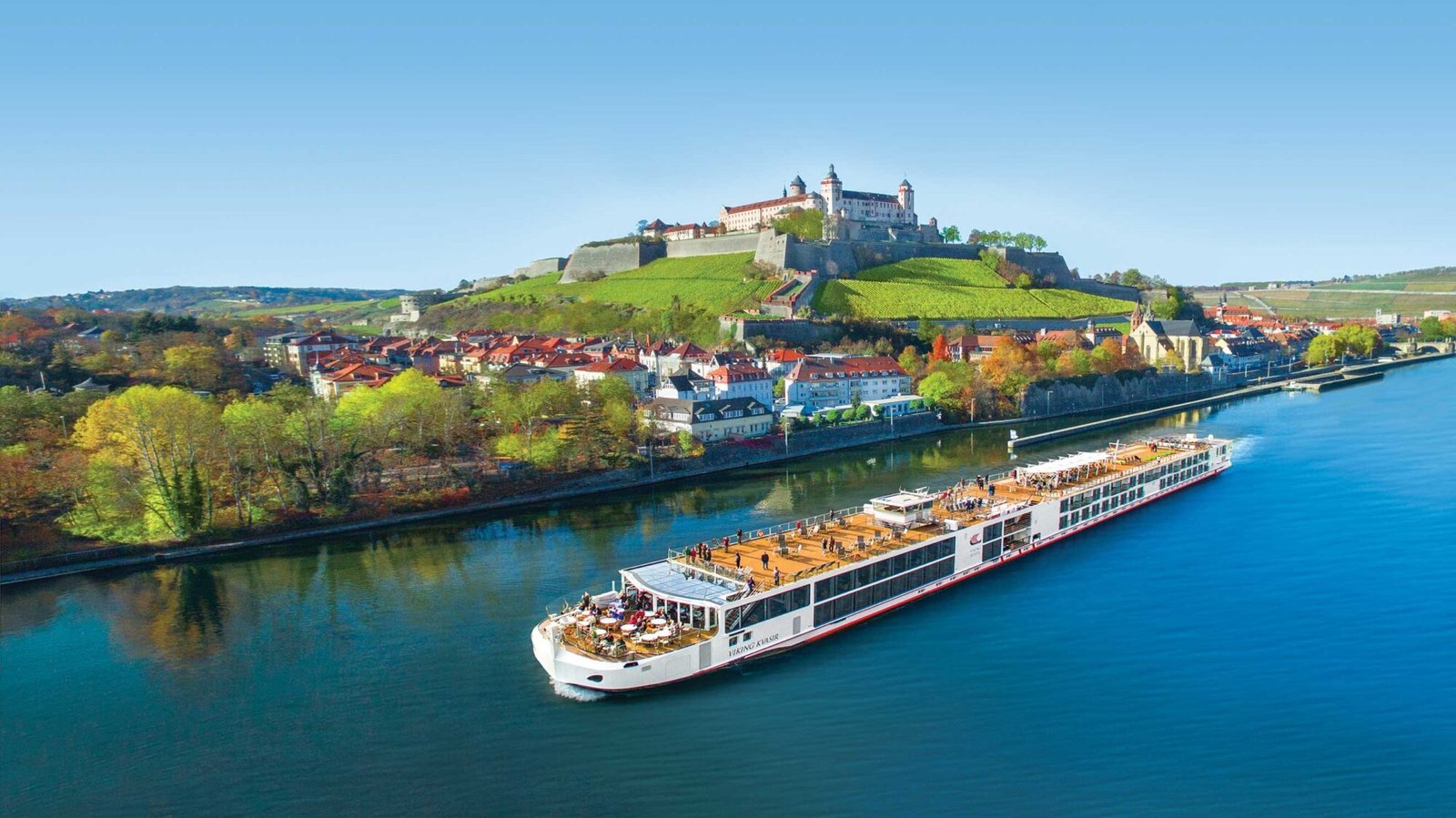
The official Viking website will show you glossy videos of longboats gliding past castles and vineyards. What it will not show you is the line-item reality of what that trip costs once you add airfare, crew gratuities, the optional excursions you will actually want, and the drinks you will order outside meal hours. I have spent years comparing river cruise pricing across operators, talking to past passengers, and reading the fine print that first-time bookers skip.
This guide is the honest breakdown Viking’s own homepage structurally cannot give you because it is designed to get you to call an agent, not to help you compare your options.
Jump to: Real Cost Breakdown | What’s Included | Who It’s For | Viking vs. Competitors | Real Passenger Feedback | Booking Mistakes | FAQs
Key takeaways
- Entry-level Viking river cruise fares typically range from $2,500 to $3,500 per person for a seven-night European sailing, with peak-season and French balcony cabins pushing higher.
- The base fare covers lodging, meals, beer and wine at lunch and dinner, one guided excursion per port, and basic Wi-Fi. Airfare, crew gratuities, premium drinks, and most optional excursions cost extra.
- Viking’s sweet spot is travelers aged 50 and older who want a quiet, educational, and well-organized journey. Children under 18 are not allowed on board.
- Compared to AmaWaterways and Avalon, Viking is often slightly less expensive at the entry level but includes fewer active options like bikes or hiking tours.
- The biggest booking mistake is comparing only the headline fare and ignoring the cost of flights, transfers, gratuities, and the optional excursions that turn a good trip into a great one.
- Viking’s cabins are efficient and Scandinavian in design, but standard staterooms are smaller than many first-timers expect, and the lower-deck cabins have small, high windows rather than full balconies.
- Real passenger feedback is overwhelmingly positive on food, organization, and enrichment lectures but mixed on evening entertainment and the pace of included walking tours.
What a Viking river cruise actually costs
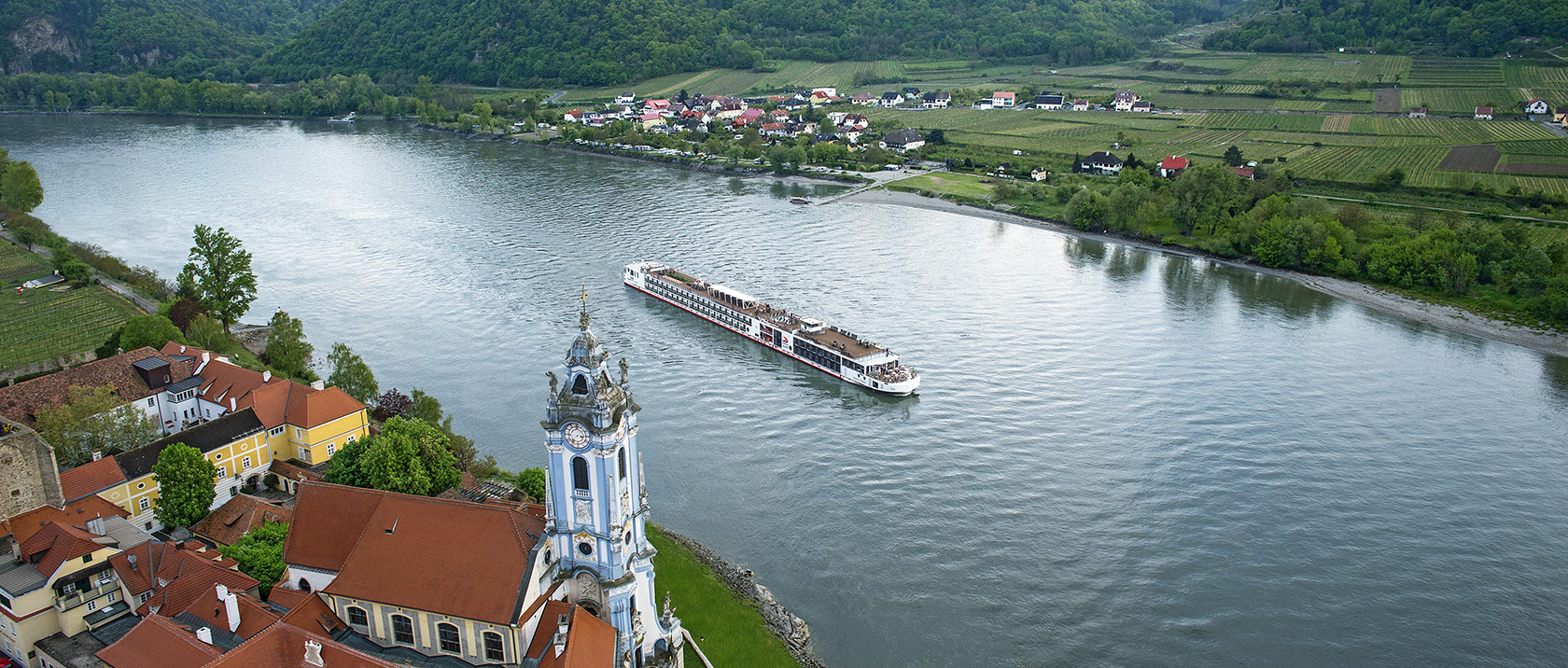
The headline price Viking advertises is the cruise fare only. It covers your stateroom, meals on board, basic drinks with lunch and dinner, and one included excursion per port. It does not cover flights, airport transfers, travel insurance, crew gratuities, premium beverages, optional excursions, or anything you buy in the ports. When you factor in everything a typical first-time passenger actually pays, the total trip cost runs 40 to 60 percent higher than the sticker price.
Prices below reflect seven-night European river itineraries, which make up the bulk of Viking’s product. These ranges are based on published brochure fares and pricing data from the most recent full season. They will shift with demand, cabin category, and itinerary. Always check Viking’s official website for current quotes before you commit, and treat these figures as planning baselines rather than guarantees.
Typical seven-night European river cruise, per person: A standard lower-deck stateroom is roughly $2,500 to $3,000. French balcony stateroom is roughly $3,200 to $4,000. Veranda stateroom is roughly $4,200 to $5,500. The Explorer suite is roughly $6,000 and up. These are cruise-only fares before any airfare or add-ons.
On top of that base fare, budget roughly $1,000 to $1,800 per person for round-trip economy airfare from a major North American gateway, unless Viking is running a free-air promotion. Crew gratuities are not included in the fare and are typically charged at a suggested rate of around $20 to $25 per person per day. Optional excursions, which range from cooking classes to concert tickets to wine tastings, run anywhere from $40 to $200 per person each. A passenger who chooses two optional excursions over the course of a week should budget an additional $150 to $400.
Maya’s honest take: “The number in the brochure is real, but it is not the number you will spend. I always tell first-timers to add 50 percent to the headline fare, and if that total still feels comfortable, book it. If that total makes you wince, consider a shorter itinerary or a different operator.”
What’s included versus what costs extra
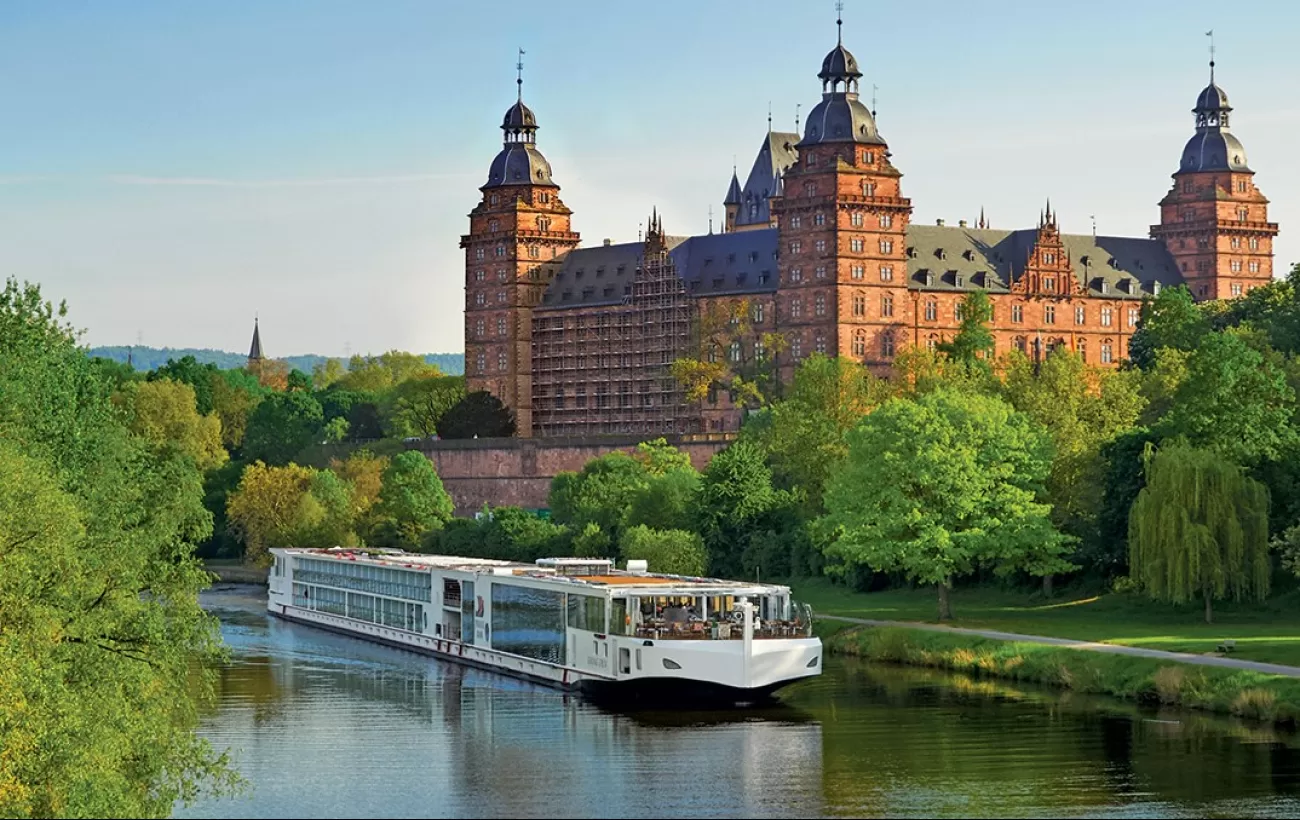
Viking positions itself as a mostly inclusive river cruise line, and compared to the mass-market ocean cruise giants, that is true. But “mostly inclusive” leaves room for meaningful extra spending. Here is the honest breakdown based on the current published inclusions and the add-ons past passengers actually report paying for.
Included in the fare
- All meals on board, including multi-course dinners
- Beer, wine, and soft drinks with lunch and dinner
- One guided shore excursion in each port
- Basic Wi-Fi throughout the ship
- Port charges and taxes
- Onboard enrichment lectures and cultural performances
Costs extra
- Airfare and airport transfers
- Crew gratuities, roughly $20 to $25 per person per day
- Premium drinks outside meal hours, including cocktails
- Optional excursions beyond the one included per port
- Travel insurance
- Spa services and some onboard activities
Who Viking river cruises are really for
Viking is not trying to appeal to everyone, and that is a feature, not a flaw. The line explicitly markets to adults over 50, and the onboard experience reflects that. There is no casino, no splash pool, no kids club, and no late-night party scene. Evenings wind down after dinner and a lecture or low-key musical performance. If that sounds peaceful, Viking is likely a good fit. If that sounds boring, it is the wrong choice for you.
The ideal Viking passenger is someone who wants a calm, culturally focused journey with minimal decision fatigue. The daily rhythm is predictable: breakfast, a morning walking tour, lunch on board or in town, an afternoon of free time or an optional excursion, then dinner and a quiet evening. The ships are small enough, typically 190 passengers, that you will recognize faces and settle into a routine quickly. The trade-off is that spontaneity and high-energy activity are limited. Active travelers who want bikes, hikes, and faster-paced exploration will find better fits elsewhere, as will anyone traveling with children or teens.
Maya’s honest take: “Viking is for travelers who want a floating boutique hotel with excellent food and a well-run tour desk. It is not for people who want nightlife, adventure sports, or a family vacation. That clarity is exactly why its repeat passenger rate is so high.”
How Viking compares to other river cruise lines
Viking is the most recognizable name in river cruising, but it is not the only strong option. AmaWaterways, Avalon Waterways, and Uniworld all compete in the same European river space, and each has a slightly different personality. The right choice depends on what you prioritize: price, active excursions, cabin design, or luxury service.
Viking River Cruises
Best for first-time river cruisers and value. Consistent, well-organized, and slightly less expensive at the entry level than most competitors. Calm, educational atmosphere. Fewer active excursion options. No bikes on board. The largest fleet, which means more itinerary choices and departure dates.
AmaWaterways
Best for active travelers. Includes bicycles on every ship and offers guided bike tours, hikes, and wellness activities. Slightly higher price point than Viking at the entry level. The staterooms often feature dual balconies, a French balcony plus an outdoor step-out space. Strong wine-themed itineraries.
Avalon Waterways
Best for cabin design and views. The beds face floor-to-ceiling windows, so you wake up to the river view. Panorama suites are wider than standard river cruise cabins. Similar price range to Viking. The excursion program includes active, classic, and discovery options, giving more daily choice.
Uniworld
Best for luxury and design. The most expensive of the four, with opulent, individually decorated ships that feel like boutique hotels. Service is more personalized, and the food is a step above. Smaller ships with fewer passengers. It’s the right choice for travelers who prioritize luxury over cost.
What real passengers say: the good and the bad
Aggregated feedback from past passengers, including review sites and travel forums, paints a consistent picture. The praise clusters around food quality, organizational smoothness, and the quality of the included walking tours. The criticism clusters around evening entertainment, the pace of tours, and the size of standard cabins. Neither the praise nor the criticism should surprise you, but knowing both before you book prevents the most common disappointment.
On the positive side, repeat passengers consistently mention the efficiency of embarkation and disembarkation, the quality of the local guides, and the thoughtfulness of the onboard enrichment lectures. Many first-timers comment that the food exceeded expectations, particularly the regional dishes tied to the itinerary. On the critical side, some travellers report that the included walking tours move too slowly for their pace, that the evening entertainment is minimal, and that the standard staterooms feel tight when two people are trying to move around at the same time. These are not deal-breakers for the target demographic, but they are real trade-offs.
One recurring note from older reviews and forum threads is that Viking’s value depends heavily on how many optional excursions you add. Passengers who stick with the included tours tend to report feeling the trip was good value. Passengers who added several premium excursions often report feeling the final bill was higher than expected. Budget for that before you board.
Mistakes first-time bookers make with Viking
These are the errors I see repeatedly in travel forums and hear from past passengers, and they are all avoidable with a little pre-booking attention.
- Comparing only the headline fare. Add airfare, gratuities, and optional excursions before you compare two cruise lines. The lowest sticker price is not always the lowest total trip cost.
- Assuming every excursion is included. One tour per port is included. Everything else is extra. Read the daily program carefully before you commit to optional tours.
- Booking a lower-deck standard stateroom without understanding the window situation. Lower-deck cabins have small windows high on the wall, not full balconies. If natural light matters to you, pay for a French balcony or above.
- Underestimating how quiet the evenings are. If you want nightlife, Viking is the wrong product regardless of how good the daytime experience is. Understand the pace before you pay for it.
- Booking flights separately without checking Viking’s air promotions. Sometimes the bundled airfare is genuinely cheaper. Sometimes it is not. Compare both before you book either one.
- Waiting too long to book a specific sailing. Popular itineraries and peak-season dates sell out months in advance, particularly the Rhine and Danube summer departures.
- Skipping travel insurance. River levels can disrupt itineraries, and cancellations happen. Insurance protects the significant upfront cost of a river cruise.
Frequently asked questions
How much does a Viking river cruise cost?
A seven-night European river cruise on Viking typically starts between $2,500 and $3,500 per person for a standard stateroom, before airfare and add-ons. With airfare, gratuities, and a couple of optional excursions, the realistic total cost runs $4,000 to $6,000 per person. Exact pricing varies by itinerary, season, and cabin category.
Is Viking River Cruise all-inclusive?
Mostly, but not completely. The fare includes meals, beer and wine with lunch and dinner, one shore excursion per port, Wi-Fi, and port charges. Airfare, crew gratuities, premium drinks, optional excursions, and travel insurance cost extra. Budget for those additional expenses before you book.
What is the average age on a Viking river cruise?
The average age on Viking river cruises is typically in the 60s, though the line attracts passengers from their late 40s onward. The onboard atmosphere is adult-focused and calm, with no children under 18 permitted. If you want a younger, more active crowd, AmaWaterways or Avalon may be better fits.
Are Viking river cruises worth the money?
For the right traveller, yes. Passengers who value organization, cultural enrichment, and a calm pace report high satisfaction and strong repeat booking rates. Travelers who want nightlife, adventure activities, or family-friendly amenities tend to find better value elsewhere. The key is matching your expectations to what Viking actually offers.
What is the best time of year for a Viking river cruise?
April through June and September through October are the most popular months for European river cruises, with comfortable temperatures and fewer crowds than midsummer. The Christmas market season in late November and December is also highly sought after. July and August can be hot and busy in popular ports.
Do Viking river cruise cabins have balconies?
Depends on the cabin category. Standard lower-deck staterooms have small high windows, not balconies. French balcony staterooms have floor-to-ceiling sliding glass doors that open to a railing, but no outdoor seating area. Veranda staterooms have a full step-out balcony with chairs. Check the specific ship deck plan before booking.
How many passengers are on a Viking river cruise ship?
Vikings’ longships carry approximately 190 passengers, which is typical for European river cruising. The small passenger count means faster embarkation, more personalized service, and the ability to dock in smaller towns that large ocean ships cannot reach. It also means fewer onboard venues and a quieter atmosphere.
Plan your trip: booking platforms we trust
For river cruises, the booking path is different from hotels or flights. The most transparent pricing often comes from the cruise line directly, but comparing across platforms and reading independent reviews before you call an agent saves real money and prevents mismatched expectations.
Best for reading independent Viking passenger reviews and comparing real experiences across multiple river cruise lines.
Best for bundling flights and pre-cruise hotel stays with your river cruise booking in one transaction.
Best for booking pre- and post-cruise hotel nights in embarkation cities like Amsterdam, Budapest, and Basel.
Best for comparing flight prices across multiple airlines to reach your embarkation port at the lowest fare.