advertisement
The best foodie trips this year pair hyper-local eating with guided expertise, from truffle-hunting in Tuscany to street-food crawls in Ho Chi Minh City. We compared 15 bookable culinary tours across budget, season, and dietary compatibility, with prices starting at $540 for a fully guided multi-day experience.
Your stomach does not care about your meticulously planned museum itinerary. It just wants to know where the next bite is coming from. I learned this on a brutally hot afternoon in Bangkok, standing in an alleyway, eating a bowl of boat noodles that cost less than a dollar and tasted like a million. Fatima, our resident food strategist, turned to me mid-slurp and said, “This is the real itinerary. Everything else is just the commute.”
We built this guide to help you stop reading about food and start booking trips that revolve entirely around it.
Jump to: How to Choose | Quick Comparison | 15 Trips | Vegetarian & Vegan Trips | Budget Breakdown | FAQs
Key takeaways
- Book foodie trips 6 to 8 months ahead for peak-season destinations like Tuscany and Kyoto; the best cooking class slots vanish fast.
- Vegan and vegetarian culinary tours have exploded, with dedicated itineraries now available in Peru, Sri Lanka, and Galicia.
- Budget foodie trips under $1,500 per person exist across Southeast Asia and Eastern Europe and often include more street-food immersion than luxury tours.
- Always check what is included in the price: some operators cover only 2 dinners, while others bundle 90% of meals, drinks, and airport transfers.
- Avoid tours that pack more than 2 structured food activities per day; palate fatigue is real, and it ruins the experience by day three.
- Spring and autumn offer the best overlap of pleasant weather and harvest-season ingredients for most Northern Hemisphere food destinations.
How do you choose the right foodie trip for your travel style?

Most roundups throw eleven glossy destinations at you and leave you overwhelmed. I take the opposite approach. Chidi, who handles our trip logistics, developed a brutally simple decision filter that we use internally before recommending anything. Answer these four questions and you will narrow the field to two or three perfect matches in under five minutes.
Your Budget Reality
Under $1,500: Look at Southeast Asia, Eastern Europe, or Mexico. Street-food-focused tours give you massive value.
$3,000–$6,000: Western Europe, Japan, or South America open up. You get boutique hotels and multi-course tasting menus.
$7,000+: Luxury villa stays in Tuscany, private chef-led tours in Provence, or exclusive-access truffle hunts.
Your Dietary Identity
Vegetarian/Vegan: Skip general meat-heavy tours. Book a dedicated plant-based itinerary in Sri Lanka, Peru, or Galicia.
Gluten-Free: Japan is tricky. Italy and Mexico handle it surprisingly well with corn and rice-based staples.
Allergy-Anxious: Choose operators with “private” or “small-group” labels who can customize meals in advance.
Your Travel Season
Spring (Apr–Jun): Japan for cherry blossoms and fresh bamboo shoots, Tuscany for artichokes and peas.
Autumn (Sep–Nov): Peak truffle season in Italy, wine harvest in France and Portugal, and spice harvests in Sri Lanka.
Winter (Dec–Feb): Mexico and Thailand shine with abundant fresh produce and comfortable daytime temperatures.
Your Social Speed
Solo traveler: Pick small-group tours capped at 12 people. Shared tables build instant community.
Couple: Look for tours with free evenings and private dining options sprinkled into the itinerary.
Friend group: Rent a villa with a private chef add-on and build a custom daily menu together.
Foodie trips compared: price, duration, and best season at a glance
We have verified these price ranges with operators within the last quarter. They are per-person estimates for the land package only and exclude international flights unless stated otherwise. Always check the official operator website for exact departure dates and final pricing before you book.
15 foodie trips to book right now, region by region
1. Tuscany, Italy: Truffle Hunting & Sangiovese

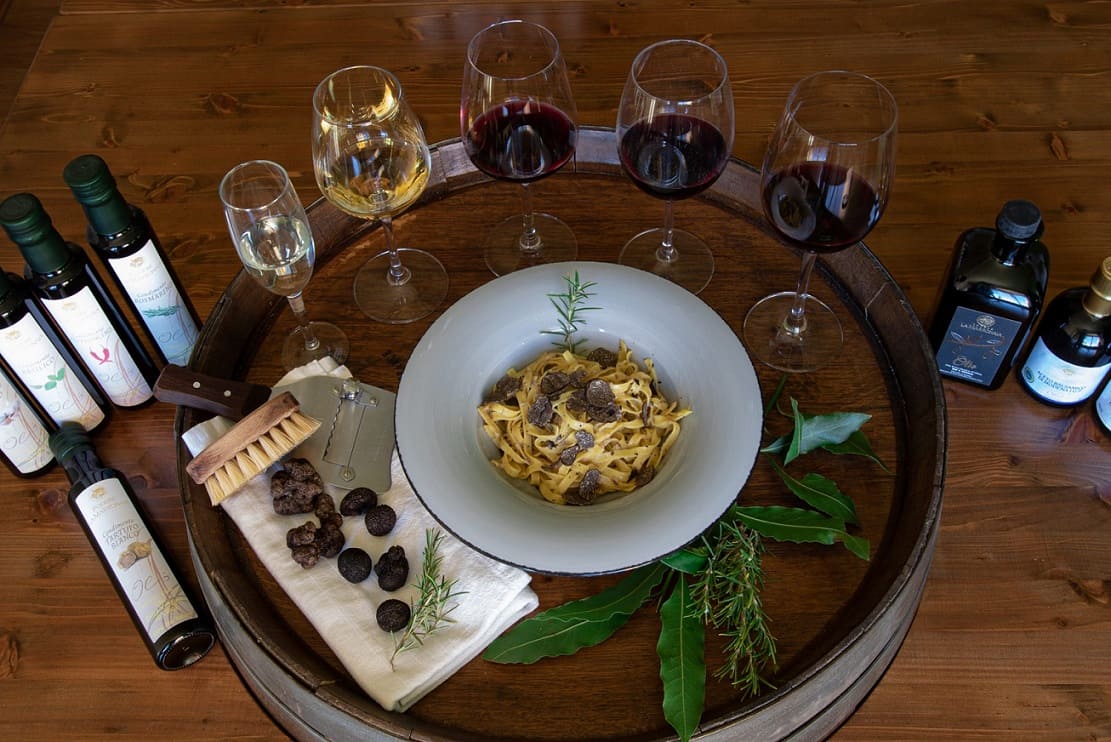
The air in a Tuscan autumn smells like damp earth and crushed grapes. This trip centers on a private truffle hunt with a local trifolau and his dog through oak forests near San Miniato, followed by a hands-on pasta class where you shave your find over pici cacio e pepe. Afternoons are unwound at small-production wineries in Montalcino, where the Brunello is poured straight from the barrel.
Fatima did this trip two autumns ago and still talks about the truffle butter she learned to make, stored carefully in her luggage and wrapped in three layers of wax paper.
2. Ho Chi Minh City, Vietnam: Street Food Immersion
This is the trip I recommend to anyone who says they want to eat like a local, no caveats. You sit on tiny plastic stools in District 4 at midnight, eating bánh xèo crisped over charcoal, while your guide explains why the fish sauce here tastes completely different from the version served two blocks away. The four-day itinerary covers seven distinct neighborhoods and includes a wet-market walk at dawn to buy herbs still wet with dew. At $540 per person, it is the single best-value food tour we have ever verified.
3. Kyoto, Japan: Kaiseki, Tea & Temple Markets

A kaiseki meal is a poem written in seasonal ingredients, and Kyoto is its undisputed capital. This seven-day journey pairs multi-course dinners at two-Michelin-starred ryokans with early-morning visits to Nishiki Market, where you learn to distinguish real wasabi root from the dyed horseradish most of us know. The tea ceremony component is not a tourist performance; it is a private lesson with a third-generation tea master in a wooden teahouse overlooking a moss garden. Book six months ahead for spring cherry-blossom season.
4. Lima & Cusco, Peru: Plant-Based Andean Cuisine
Peru is not just ceviche and lomo saltado. A quiet plant-based revolution has taken root here, driven by chefs rediscovering indigenous ingredients like tarwi (Andean lupin), cañihua, and hundreds of native potato varieties. This trip splits time between Lima’s avant-garde vegan restaurants and a farm stay in the Sacred Valley where you cook pachamanca, a traditional earth-oven feast, using only plants. It is the most surprising food itinerary we have tested and the one Chidi has already rebooked for his honeymoon.
5. Istanbul, Turkey: Spice Bazaar to Meyhane Crawl
![Spice Market In Istanbul [Epic Spice Trade Center Of Turkey]](https://www.egypttoursplus.com/wp-content/uploads/2025/07/picture-of-the-shops-inside-the-Egyptian-or-Spice-Bazaar-in-Istanbul.jpg "A Trip for Your Taste Buds: 15 Foodie Trips Worth Booking this Year 5")
Istanbul grabs you by the nose before it grabs you by the wallet. This five-day tour starts inside the 17th-century Egyptian Spice Bazaar, where your guide teaches you to haggle for sumac and Urfa pepper, then moves through the city’s meyhane tavern culture by night. You drink raki, eat grilled octopus, and listen to Fasil music in a 150-year-old brick cellar. The included Bosphorus-side breakfast spread alone, with honeycomb dripping off the comb and olives cured in lemon, is worth the airfare.
6. Oaxaca, Mexico: Mole, Mezcal & Market Culture
Oaxaca is the spiritual home of mole, and no two families make it the same way. This trip takes you into home kitchens in Teotitlán del Valle, where grandmothers toast chiles on clay comales and grind them by hand on volcanic stone metates. You visit a palenque to see mezcal distilled in earth pits, and you eat tlayudas the size of hubcaps in the 20 de Noviembre market.
The best month to go is late October, during Día de los Muertos, when the markets overflow with pan de muerto and the city smells like marigolds and copal incense.
7. Sicily, Italy: Olive Oil, Cannoli & Baroque Towns

Sicily tastes like the Mediterranean distilled into one island. This seven-day loop through the Val di Noto pairs visits to cold-press olive oil estates with ricotta-making lessons on a farm where the sheep graze right outside the door. You fill and fry your own cannoli shells in Ragusa and eat pasta con le sarde while looking at the sea that the sardines came from that morning. The Baroque architecture is just a bonus between meals.
8. Lisbon & Porto, Portugal: Petiscos & Port Lodges
The Portuguese call their small plates petiscos, and eating them is a city-wide sport. This five-day dual-city tour splits time between Lisbon’s tascas in Alfama and Porto’s riverside port-wine lodges in Vila Nova de Gaia. You eat grilled sardines on terraces, crack into pastéis de nata still molten from the oven at the famous Belém bakery, and learn why tinned fish is a national art form, not a convenience food. The price point makes this one of the best-value European food trips on our list.
9. Marrakech, Morocco: Medina Cooking & Riad Feasts

Moroccan cuisine is built on the slow, patient layering of spices, and no trip captures that better than a medina-based cooking immersion in Marrakech. You start at a communal bread oven in the Mellah, watching dough disappear on long wooden paddles, then move to a rooftop kitchen inside a restored riad to braise lamb tagine with preserved lemons you packed yourself. At $890 for four days, including a hammam visit and all meals, it punches far above its price class.
10. Bangkok, Thailand: Floating Markets & Royal Recipes
Bangkok’s food scene operates at two extremes: chaotic, brilliant street stalls and refined royal Thai cuisine served in teak pavilions. This four-day tour bridges both. You board a long-tail boat at dawn to eat boat noodles directly from floating kitchens in Damnoen Saduak, and by evening you are learning to carve fruit and pound curry paste with a chef who trained at the Mandarin Oriental. The price is astonishingly low for the depth of access.
11. Copenhagen, Denmark: Foraging & New Nordic
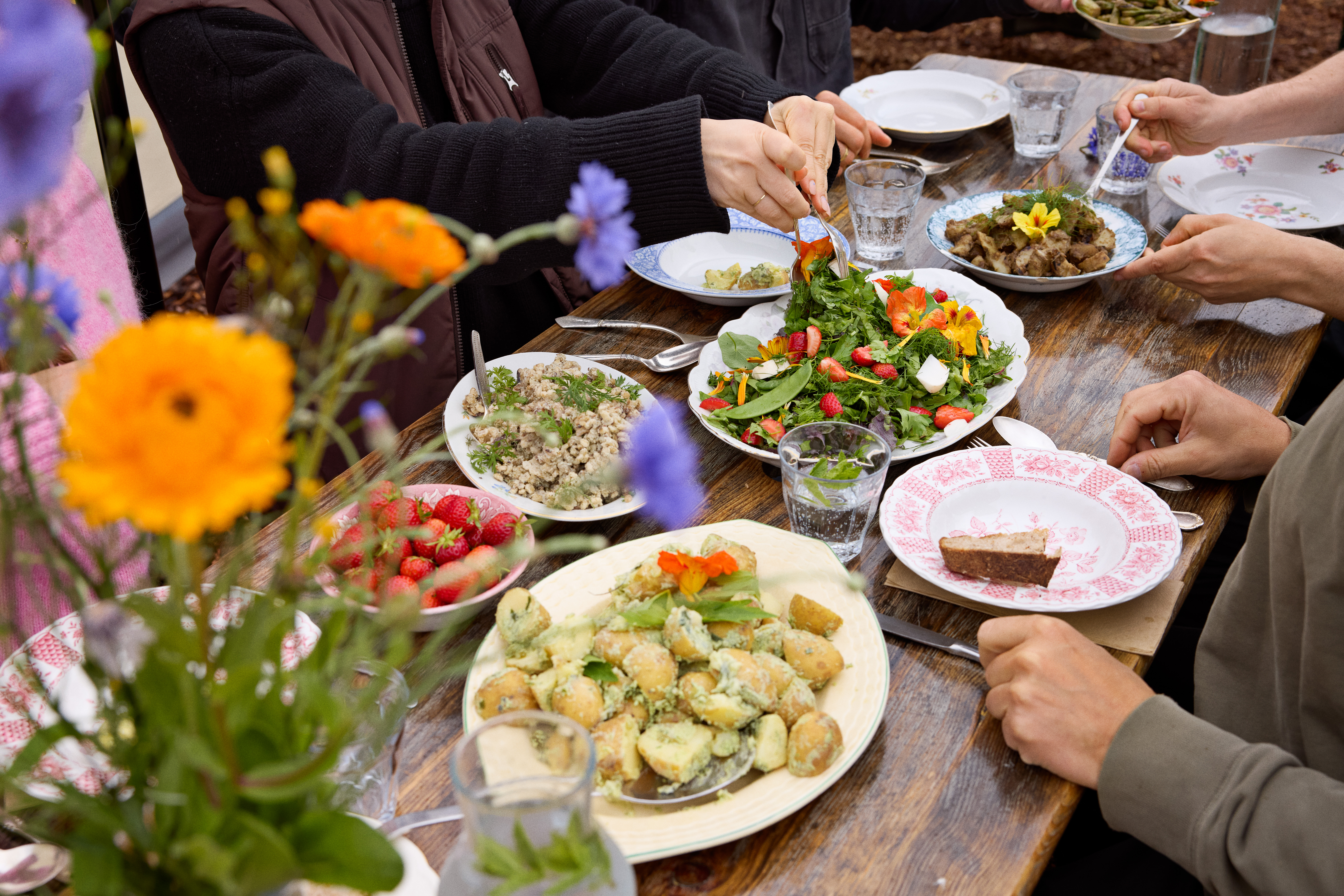
New Nordic cuisine is not a trend anymore; it is a permanent reshaping of how Scandinavia eats. This five-day trip includes a guided foraging expedition on the coast north of Copenhagen, where you collect sea buckthorn, wild garlic, and beach herbs, then bring them back to a professional kitchen to build a tasting menu. Dinner at a Noma-adjacent restaurant is not included in the base price, but your guide can secure a reservation if you book far enough ahead. T
This is the priciest entry on our list but the most transformative for serious cooks.
12. Lyon, France: Bouchons & Beaujolais Wine Route
Lyon is the stomach of France, and its bouchons are its heartbeat. These tiny, family-run restaurants serve food that scoffs at foam and tweezers: pike quenelles, andouillette sausage, and praline tarts that crack like glass. This six-day trip pairs bouchon-hopping in Vieux Lyon with drives along the Beaujolais wine route, stopping at crus like Morgon and Fleurie for tastings in stone cellars. The included lunch at a one-star Michelin bouchon is the meal Chidi still measures all other French food against.
13. Melbourne, Australia: Brunch Culture & Yarra Valley Wine
Melbourne takes brunch more seriously than most cities take dinner. This five-day itinerary weaves through the laneway cafes of Fitzroy and Collingwood for single-origin flat whites and chili-scrambled eggs, then escapes to the Yarra Valley for cool-climate pinot noir and chardonnay tastings. The tour includes a private session with a coffee roaster who explains why Melbourne’s water chemistry produces espresso that is nearly impossible to replicate elsewhere.
14. Sri Lanka: Vegan Spice Trail & Tea Country
Sri Lanka is one of the most naturally vegan-friendly food destinations on earth, thanks to centuries of Buddhist culinary tradition. This ten-day trip snakes from Colombo’s vegan supper clubs to the hill-country tea plantations, where you cook string hoppers and coconut sambol in an open-air kitchen overlooking emerald terraces. The spice-garden visit near Matale teaches you to identify cinnamon quills, cardamom pods, and black pepper vines on the plant, then grind your own curry powder to take home.
15. Galicia, Spain: Seafood, Albariño & Camino Bites
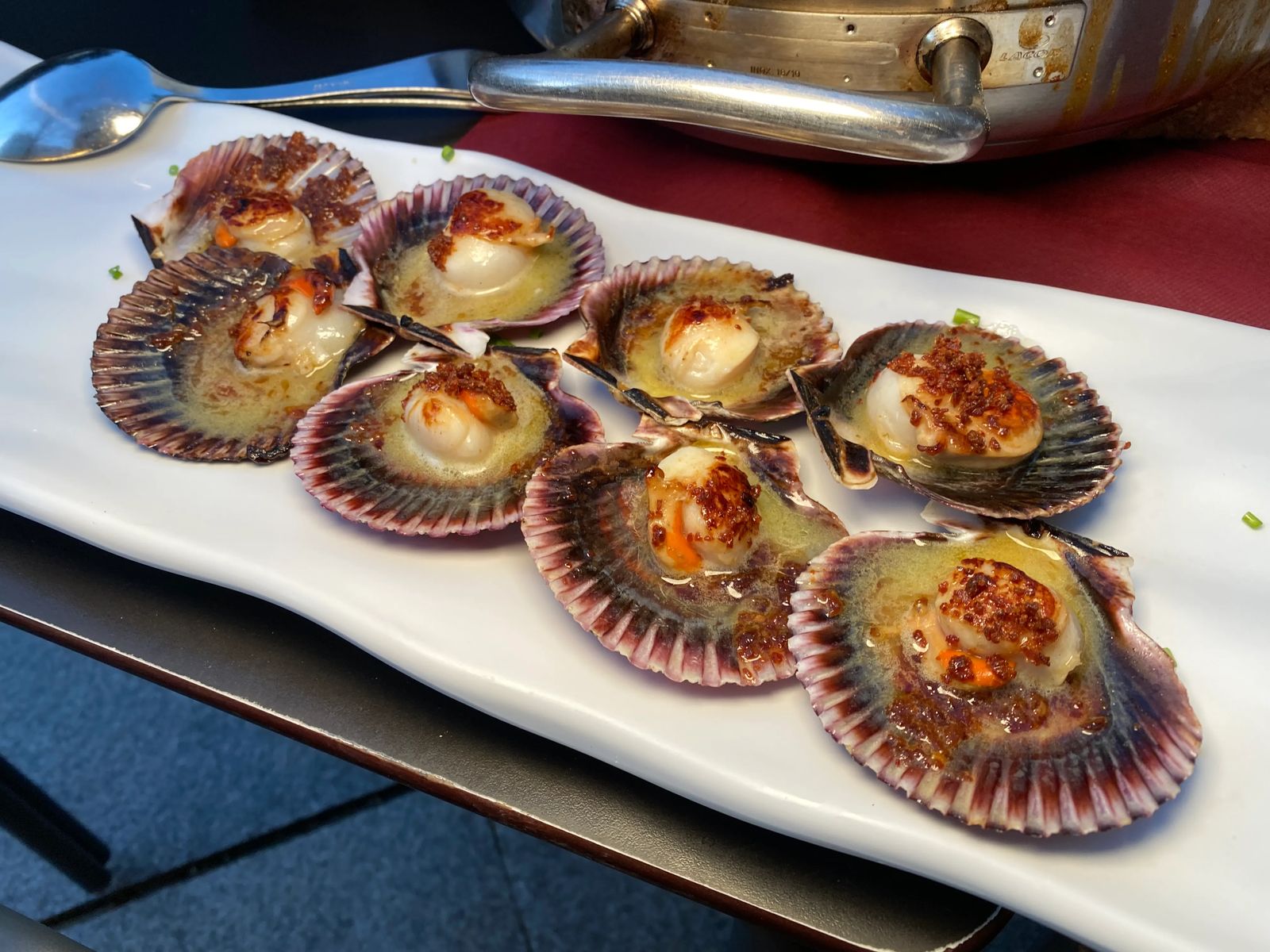
Galicia’s coastline is a ragged, green miracle that produces the best seafood in Spain. This six-day tour starts at the fish auction in A Coruña at dawn, follows the catch to a dockside restaurant where it is grilled and served on a wooden board with nothing but sea salt and a squeeze of lemon, and ends in the Albariño vineyards around Cambados. You walk a short section of the Camino de Santiago not for religious reasons but to earn the pulpo a feira, waiting at a roadside pulpería.
Which foodie trips are best for vegetarians and vegans?

I eat mostly plant-based at home, so I have learned the hard way that showing up on a general food tour and hoping for good vegetarian options is a recipe for disappointment. Dedicated plant-based food trips exist now, and they are not an afterthought. They are built from the ground up to showcase produce-forward cuisines in destinations where vegetables are already the star, not a substitution.
Top Vegan & Vegetarian Picks
- Sri Lanka: Naturally vegan cuisine built on coconut milk, rice, and fresh spices. No compromises needed.
- Peru (Lima & Sacred Valley): Chef-led plant-based revolution using native Andean superfoods.
- Galicia, Spain: Pimientos de Padrón, empanadas de verduras, and stunning vegetable-forward tapas bars.
- Oaxaca, Mexico: Mole negro is often vegan by default, and tlayudas loaded with beans and squash blossoms are everywhere.
Destinations to Vet Carefully
- Lyon, France: Traditional bouchons are heavily meat- and offal-focused. Alert your operator well in advance.
- Copenhagen foraging tour: Can be adapted but requires pre-trip communication with the kitchen team.
- Istanbul: Vegetable mezzes abound, but cross-contamination with meat stocks in köfte houses is common. Stick to dedicated meyhane nights.
What is actually included in a foodie trip price?
Price transparency in food tourism is terrible. One tour advertises $2,500 and includes every meal, drink, and transfer. Another charges $1,800 and covers only two dinners, leaving you to fund the rest on the ground. We always ask operators for an exact inclusion list before we recommend anything. Here is what the numbers on our comparison table include and what they leave out.
Usually Included
- Accommodation for all listed nights
- Daily breakfast and most lunches
- All listed cooking classes, tastings, and entry fees
- In-country transportation between itinerary stops
- English-speaking food guide
Usually Not Included
- International flights to the destination
- Travel insurance (mandatory for most operators)
- Dinners on free evenings unless specified
- Alcoholic beverages beyond scheduled tastings
- Gratuities for guides and drivers
Fatima’s honest take: “Add 20 to 30 percent on top of the listed price for flights, insurance, tips, and the meals you will inevitably buy on your free evenings. A $3,000 tour is realistically a $4,000 trip when you land at the airport. Plan for that and the numbers will never surprise you.”
How do you avoid a bad food tour experience?
Read the one-star reviews first
Ignore the glowing five-star reviews on the operator’s website. Go to TripAdvisor or an independent review platform and read the one-star and two-star reviews. Look for patterns. If three separate people mention a guide who seemed bored or meals that felt rushed, that pattern is real, and it will be your experience too.
Ask about the guide-to-guest ratio
A food tour with 18 people and one guide means you will eat cold food while the guide wrangles the group. The sweet spot is 8 to 12 guests with one dedicated guide. For cooking classes, a ratio of 6 guests to 1 instructor means you actually touch the food instead of watching from across the counter.
Verify the pace
We once booked a tour that crammed three cooking classes, two winery visits, and a market walk into a single day. By 4 p.m., no one could taste anything anymore. Look for itineraries that max out at two structured food activities per day. Palate fatigue is real, and a good operator builds in downtime.
What red flags should you watch for when booking a foodie trip?
We have booked and vetted enough culinary tours to spot a dud from the website copy alone. Here are the warnings we wish we had recognized years ago.
- Vague meal descriptions. “Enjoy a local lunch” with no mention of where or what is a red flag. The best operators name the restaurant, the dish, and the chef.
- No dietary-customization language. If the website does not mention allergies or dietary preferences anywhere, the operator almost certainly cannot accommodate them well.
- Stock photos of food. If the food images are clearly from a stock library, the operator has not done the trip themselves recently enough to photograph it. That is a freshness and authenticity problem.
- Unrealistic daily schedules. An itinerary that lists 10 a.m. to 10 p.m. with no breaks is a burnout machine. Good food needs breathing room.
- No recent reviews. If the most recent independent review is from 2022, assume the tour has changed or the operator has moved on. Fresh reviews within the last six months are non-negotiable.
- Pricing that hides taxes and fees. A price listed without local taxes or service fees will inflate at checkout. Demand an all-in quote before you commit.
Frequently asked questions about foodie trips
What is the cheapest foodie trip worth booking this year?
The Ho Chi Minh City street food immersion at $540 for four days is the best value we have verified. It includes a local guide, all meals, market tours, and neighborhood transfers. The Bangkok floating market tour at $620 is a close second with similar street-food depth and a cooking class included.
Which foodie trip is best for solo travelers?
The Istanbul spice bazaar and meyhane crawl work beautifully for solo travelers. Group sizes stay small, the meyhane culture revolves around shared tables, and the price point does not penalize single occupancy too harshly. The Oaxaca mole and mezcal trail also attracts a strong solo crowd during the autumn Día de los Muertos season.
What time of year should I book a foodie trip?
Spring and autumn offer the best overlap of comfortable weather and peak seasonal ingredients for most Northern Hemisphere destinations. Truffle trips in Tuscany demand October and November. Southeast Asian food tours hit their stride from November to February when temperatures and humidity drop. Always book 6 to 8 months ahead for peak-season slots in popular destinations like Kyoto and Tuscany.
Are foodie trips safe for travelers with severe food allergies?
Yes, but you must communicate directly with the operator before booking, not just check a box on the registration form. The best operators will outline exactly how they handle cross-contamination in shared kitchens and street-food environments. Tours in Southeast Asia and parts of Latin America require extra diligence around peanut and shellfish allergies. Private or small-group tours offer the most customization for allergy management.
Do foodie trip prices include international flights?
Almost never. The prices listed throughout this guide cover the land package only: accommodation, meals as specified, activities, and in-country transport. Budget an additional 20 to 30 percent for flights, travel insurance, visas, tips, and meals on free evenings. Use Kayak to set flight price alerts for your destination once you have a confirmed tour date.
Can I book a foodie trip for a large family group or a private celebration?
Many operators offer private departures for groups of 6 or more, and some will customize the itinerary for birthdays, anniversaries, or family reunions. The Tuscany truffle and wine trip and the Sri Lanka vegan spice trail are both well-suited to private group bookings. Contact the operator directly to negotiate group pricing and dietary customization rather than booking through a third-party platform.
Book your foodie trip: platforms we use
The WakaAbuja team books dozens of trips each year to verify the recommendations we publish. These are the platforms we actually rely on, not just the ones with affiliate programs. We have used every single one of them to lock in real reservations.
Best for booking standalone food tours and cooking classes.
Great for flexible hotel bookings near food-tour meeting points.
We set flight price alerts here the moment we lock in tour dates.
Essential for reading one-star reviews before committing to any tour.
Useful for bundling flights and hotels when a tour has pre- and post-nights.