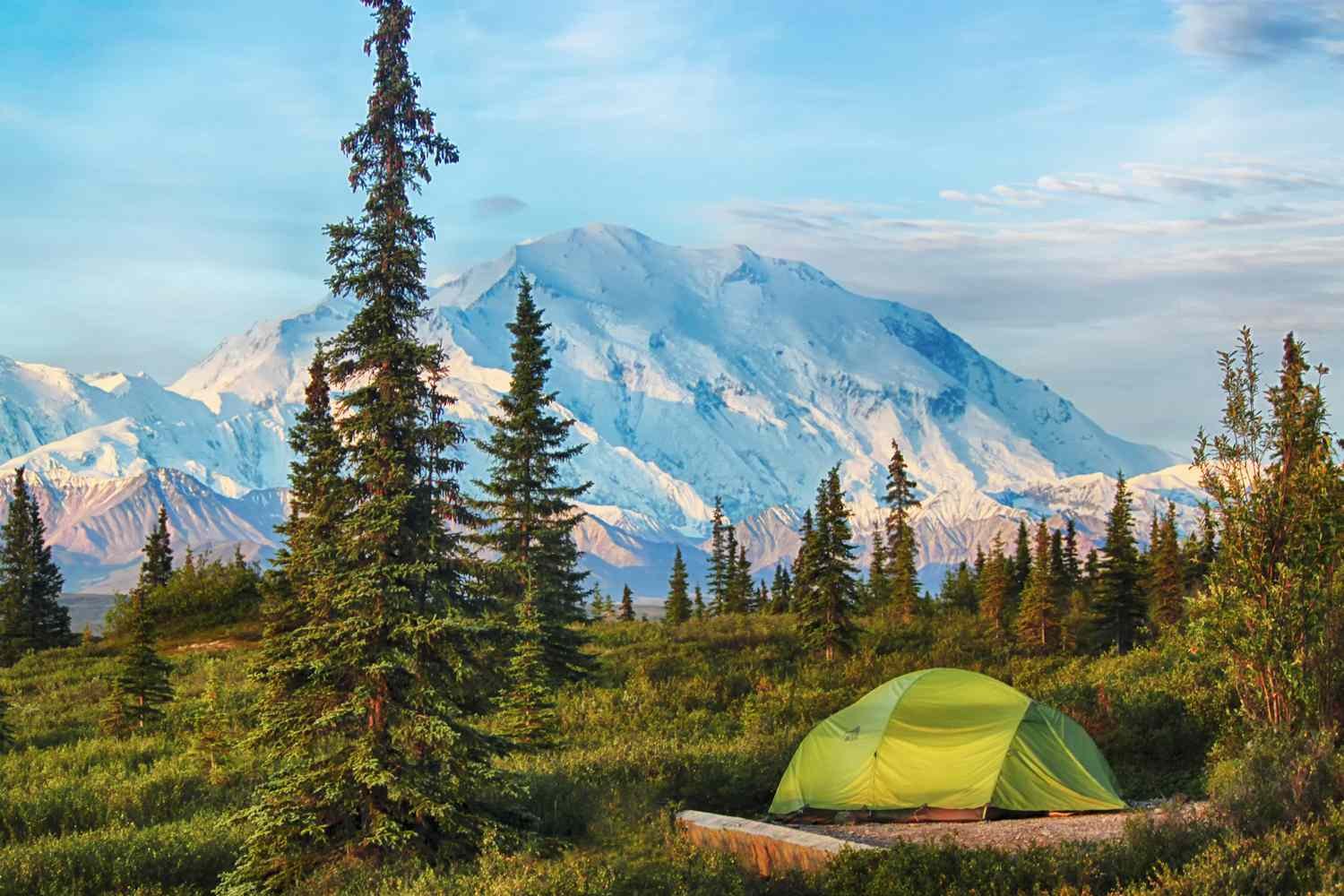
Camping in the US: Where to Camp, What It Costs, and How to Book
Fact-Checked By: Maya Whitfield—Senior Travel Editor at WakaAbuja
Camping in the US spans free dispersed sites on BLM land, state park campgrounds from $15 to $40 per night, and national park sites from $20 to $60 per night (confirm the latest price directly with the operator). Where you go depends on your camping style: beginners should start in state parks, families do well in the Midwest and Northeast, and experienced campers head west for free dispersed camping. Book national park sites on Recreation.gov the moment the reservation window opens, usually 6 months ahead for the most popular parks.
I have camped in a free pull-off in the Utah desert with no toilet and no water, and I have paid $60 for a paved RV pad with a shower block in California. The difference between a great US camping trip and a frustrating one is almost never the scenery.
It is knowing which booking system to use, how far ahead to reserve, and what a site actually costs in that region. Most guides either dump you into a list of half a million sites or hand-pick nine pretty ones and call it a day. This guide does neither.
Jump to: How to Choose | Camping by Region | What It Costs | When to Book | Booking Platforms | Mistakes to Avoid | FAQ
Key takeaways
- State parks are the best starting point. They are cheaper than national parks, easier to book, and usually have showers and hosts on-site.
- Free dispersed camping is real, but it is not for beginners. BLM land and national forests offer free sites, but you need to bring your own water and pack out your waste.
- National park sites book out months ahead. Yosemite, Yellowstone, and Glacier release sites 6 months out, and the best ones go in minutes.
- Cost varies wildly by region. A tent site in the Midwest averages $20 to $30 per night, while an RV site in coastal California can run $60 to $90 (confirm the latest price directly with the operator).
- Fire bans are common in the West. Check local restrictions before you pack firewood or plan to cook over an open flame.
- You do not need Hipcamp for national parks. Recreation.gov is the official booking system for federal lands, and it is where the best sites actually are.
How to Choose the Right Type of US Camping Trip
The United States has four fundamentally different camping experiences, and they are not interchangeable. The right one depends on your comfort level, your vehicle, and whether you want a toilet within walking distance.
Best for beginners
State park campgrounds in the Midwest and Northeast. They have marked sites, drinking water, and camp hosts who can answer questions. You book online, show up, and set up a tent without worrying about water or toilets.
Best for families
Campgrounds near lakes or rivers in the Midwest and South. Look for sites with playgrounds, swimming areas, and flush toilets. Avoid dispersed camping with kids unless they are older and used to roughing it.
Best for RVers
Private campgrounds and RV parks, especially in the Southwest and Florida. You need hookups for power and water, and those are harder to find in national parks. Book private parks through Hipcamp or direct with the campground.
Best for free & dispersed camping
BLM land and national forests in the West, especially Utah, Arizona, Nevada, and Colorado. No toilets, no water, no reservations. You need to bring everything and pack everything out, including human waste in some areas.
US Camping by Region: What Each Area Actually Offers
The United States is too big for one camping recommendation. Here is what each region does well and what it does poorly.
Northeast
Dense forests, small lakes, and short drive times between sites. Best for summer and fall camping. The Adirondacks in New York and the White Mountains in New Hampshire are the highlights. Sites run $20 to $45 per night (confirm the latest price directly with the operator).
Midwest
The most underrated camping region. Michigan’s Upper Peninsula, Minnesota’s North Shore, and the Ozarks in Missouri all have excellent lakefront camping at prices lower than either coast. Expect $15 to $35 per night for a tent site (confirm the latest price directly with the operator).
South
Best for winter camping and shoulder seasons. The Great Smoky Mountains, Big Bend in Texas, and the Florida Keys all have unique ecosystems. Summer is brutal in most of the South, so plan for spring or fall. Sites run $20 to $50 per night (confirm the latest price directly with the operator).
Southwest
Red rock deserts, dark skies, and the best free dispersed camping in the country. Utah and Arizona are the core. Water is the limiting factor, so you need to pack it in. Developed sites run $25 to $60 per night, while dispersed sites are free (confirm the latest price directly with the operator).
West Coast
The most scenic and the most expensive. California’s coast, Oregon’s forests, and Washington’s Cascades are stunning but booked out months ahead. Expect $30 to $90 per night depending on proximity to the coast or a major park (confirm the latest price directly with the operator).
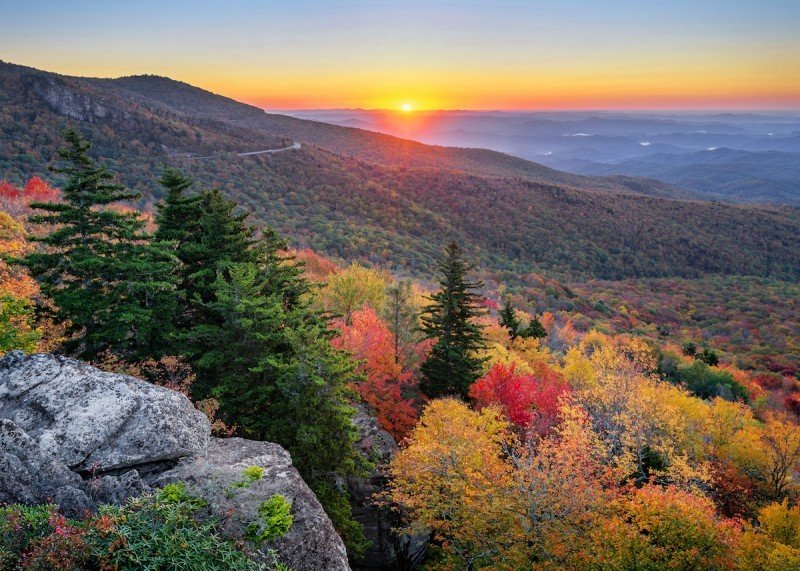
What Camping in the US Actually Costs, by Style and Region
Here is a realistic picture of nightly costs, not the marketing price shown on a booking site. All figures are approximate and shift by season and demand (confirm the latest price directly with the operator).
Tent site
Midwest/South: $15 to $35
Northeast: $20 to $45
Southwest: $25 to $50
West Coast: $30 to $70
RV site with hookups
Midwest/South: $30 to $50
Northeast: $40 to $60
Southwest: $35 to $65
West Coast: $50 to $90
Dispersed / free camping
Cost: Free on BLM and national forest land
What you give up: Toilets, water, and cell service
Best states: Utah, Arizona, Nevada, Colorado, Idaho
When to Book: Reservation Windows for Popular Parks and Campgrounds
This is the single most important section on this page. The best sites at the most popular parks do not sell out weeks ahead. They sell out minutes after the reservation window opens.
Booking lead times
Yosemite, Yellowstone, Glacier: 6 months ahead on Recreation.gov. Sites go within minutes of release at 7 a.m. Pacific time.
California state parks: 6 months ahead on ReserveCalifornia. Same 7 a.m. release time.
Most other state parks: 3 to 6 months ahead, but popular summer weekends still sell out fast.
Private campgrounds and Hipcamp sites: 1 to 3 months ahead is usually enough, but book earlier for summer holidays.
Dispersed camping: No reservation. But arrive early in the day to get a good spot, especially on weekends.
If you want a specific site at a popular national park on a summer weekend, set a calendar reminder for the exact release moment. You are competing with thousands of other people doing the same thing.
Hipcamp vs. Recreation.gov vs. State Parks vs. Pitchup: Which Should You Use?
Not all camping is booked the same way. Here is the honest breakdown of the four main booking ecosystems and when each one is the right choice.
Recreation.gov
Best for: National parks, national forests, and federal lands.
Why: It is the official system. The best federal sites are here, not on third-party platforms.
Hipcamp
Best for: Private land camping, glamping, and unique sites like farms and vineyards.
Why: Huge inventory, but it is mostly private land, not public parks. Use it when you want something specific that public land does not offer.
State park systems
Best for: Cheap, reliable camping with basic amenities.
Why: Every state has its own booking site, but they are usually easy to use and much cheaper than private campgrounds.
Pitchup
Best for: Comparing commercial campgrounds in one place.
Why: Weaker US inventory than Hipcamp, but the interface is clean and prices are shown clearly.
What Are the Biggest Mistakes First-Time US Campers Make?
I have made all of these, and I have watched other campers repeat them at sites from Utah to Maine. Here is what to avoid.
- Not checking fire restrictions. Large parts of the West have seasonal fire bans. Showing up with firewood and no stove can mean a cold dinner.
- Underestimating water needs. Dispersed sites have no water. Bring 3 to 4 liters per person per day, plus extra for cooking and washing.
- Booking a national park site too late. The best Yosemite and Glacier sites are gone the morning they open. Set a calendar reminder.
- Assuming you will have cell service. Many of the best sites in the West have zero coverage. Download offline maps before you leave.
- Overpacking for a car camping trip. You do not need an axe, a Dutch oven, and three tarps for a weekend at a state park.
- Ignoring road clearance requirements. Some dispersed sites on BLM land require high-clearance vehicles. A standard sedan will not make it.
- Not packing out your trash. Leave No Trace is not a suggestion. Pack out everything you pack in, including food scraps.
Maya Whitfield’s honest take: “I once drove a rented sedan down a BLM road in Utah that got progressively narrower and rockier. I made it out, but I should not have. Check the road conditions before you commit.”
Frequently asked questions about camping in the US
Is camping free in the US?
Some camping is free, specifically dispersed camping on BLM land and in national forests. Developed campgrounds in state and national parks charge $15 to $60 per night (confirm the latest price directly with the operator). Free camping means no toilets, no water, and no services.
Do I need a permit to camp in the US?
You need a reservation or permit for developed campgrounds in national parks and many state parks. Dispersed camping on BLM land usually does not require a permit, but some national forests require a free or low-cost permit. Check the specific area before you go.
What is the best state for camping in the US?
Utah is the best overall for free dispersed camping and red rock scenery. Michigan is the best for lakefront camping at lower prices. California has the most scenic coastal camping but also the highest prices and toughest reservations (confirm the latest price directly with the operator).
How far ahead should I book a campsite in the US?
For popular national parks like Yosemite and Yellowstone, book 6 months ahead of the moment sites open on Recreation.gov. For state parks, book 3 to 6 months ahead for summer weekends. For private campgrounds and Hipcamp sites, 1 to 3 months is usually enough.
What is the difference between a national park and a state park campground?
National park campgrounds are on federal land and booked through Recreation.gov. They are often more scenic but harder to reserve and have fewer amenities. State park campgrounds are usually cheaper, easier to book, and have better showers and facilities.
Can I camp on BLM land for free?
Yes, dispersed camping on BLM land is free in most areas, especially in the West. You can stay up to 14 days in one spot. There are no toilets, water, or trash services, so you must pack everything out.
What is the cheapest way to camp in the US?
Dispersed camping on BLM land and in national forests is free. After that, state park campgrounds in the Midwest and South are the cheapest developed option, usually $15 to $30 per night for a tent site (confirm the latest price directly with the operator).
Plan your trip: booking platforms we trust
These are the platforms I actually use to research and book camping trips. I always cross-check the official park or land agency site against at least one of these before paying.
Recreation.gov
Best for booking national park and federal land campsites.
Hipcamp
Best for private land camping, glamping, and unique farm or vineyard sites.
Pitchup
Useful for comparing commercial campgrounds and RV parks in one place.
Booking.com
Good for finding cabins or glamping options near major camping areas.
TripAdvisor
Essential for reading campsite reviews and checking recent conditions.
Vrbo
Useful for renting a cabin or vacation home near a national park.
WakaAbuja does its best to keep all information accurate at the time of publishing. Prices, policies, and availability change regularly. Always verify with official sources before you travel. We are not liable for errors caused by outdated information. Travel insurance is strongly recommended.