advertisement
Brisbane Trip Planner: Where to Stay, What to Do, and When to Go
Fact-Checked By: Maya Whitfield, Senior Travel Editor at WakaAbuja — Read more of my work here.
The best time to visit Brisbane is usually autumn, from March to May, or spring, from September to November, when the weather is comfortable for sightseeing. Stay in South Bank for culture and river views, Fortitude Valley for nightlife, or the CBD for convenience. A mid-range traveller should allow approximately 200–280 AUD per person per day for accommodation, meals, transport, and activities. Prices and transport fares can change, so confirm them before booking.
Planning a trip to Brisbane should not require ten browser tabs. This practical guide brings together the information you need in one place: the best time to go, where to stay, how to get around, what to do in three days, likely costs, useful day trips, and common mistakes to avoid.
Brisbane is particularly easy to explore without a car if you stay near the CBD, South Bank, or Fortitude Valley. The city combines riverside walks, free cultural attractions, excellent restaurants, subtropical parks, and easy access to islands, wildlife experiences, and regional escapes.
Jump to:
Best time to visit |
Getting there |
Where to stay |
3-day itinerary |
Trip costs |
Mistakes to avoid |
FAQs
Key takeaways
- Autumn and spring usually offer the most comfortable sightseeing conditions.
- South Bank is the strongest all-round base for first-time visitors who want museums, galleries, parks, and river access.
- Fortitude Valley is a better choice for nightlife, live music, restaurants, and late-evening activity.
- The CBD is practical for short stays, shopping, business travel, and easy transport connections.
- Queensland public transport services generally operate under a 50-cent flat fare, although Brisbane Airport Airtrain services are excluded from that fare policy. Check Translink.
- A realistic mid-range budget is approximately 200–280 AUD per person per day, excluding international flights.
- Three full days is enough for Brisbane’s central attractions; allow four or five days if you want to add an island or regional day trip.
- Brisbane is easier without a rental car than many visitors expect, particularly if you remain within the central city area.
When is the best time to take a trip to Brisbane?
The best time to visit Brisbane is generally from March to May or September to November. These shoulder-season months can provide a comfortable balance of warm daytime weather, outdoor sightseeing conditions, and fewer crowds than major holiday periods. Always check the forecast and event calendar for your exact dates.
Autumn: March to May
- Comfortable temperatures for walking and sightseeing.
- Good conditions for river walks, markets, and outdoor dining.
- Often a strong choice for first-time visitors.
- Check school-holiday dates before booking accommodation.
Winter: June to August
- Typically mild and suitable for city sightseeing.
- Useful for visitors who prefer lower humidity.
- Good season for walking, markets, and cultural attractions.
- Pack a light jacket for evenings and early mornings.
Spring: September to November
- Warm days and excellent conditions for outdoor activities.
- Look for festivals and seasonal events in the city.
- Popular weekends may require early hotel bookings.
- Allow flexibility for changing weather.
Summer: December to February
- Warm and humid conditions are common.
- Afternoon storms can interrupt outdoor plans.
- Plan outdoor activities for the morning where possible.
- Use sunscreen, drink water, and check warnings during extreme heat.
Planning tip: If your dates are fixed, choose your activities in pairs: schedule an outdoor attraction in the morning and keep a gallery, museum, café, or shopping area available for the afternoon in case the weather changes.
How do you get to Brisbane and get around?
Most visitors arrive through Brisbane Airport, which has domestic and international terminals. From the airport, you can use Airtrain, a taxi, rideshare, or a pre-booked transfer. Airtrain operates separately from the ordinary Translink fare system, so check the official fare calculator before travelling.
Brisbane’s central neighbourhoods are connected by buses, trains, ferries, and walking routes. Queensland’s current public transport policy lists a 50-cent flat fare across Translink services, including buses, trains, ferries, trams, and on-demand services, while excluding Airtrain services. Confirm the latest details on Translink.
Airtrain
Airtrain is the direct rail connection between Brisbane Airport and central Brisbane. Fares vary according to ticket type, destination, and current promotions, so do not publish an old fixed fare without checking the official Airtrain website immediately before your trip. Check current Brisbane Airtrain fares.
Public transport
Use buses, trains, and ferries for most city journeys. The free CityHopper ferry can be useful for sightseeing along the Brisbane River, but routes and timetables can change, so check the current service information before setting out.
Walking
South Bank, the CBD, the City Botanic Gardens, Queen Street Mall, and the riverfront can be combined into a walkable day. Brisbane’s river bends can make two places look closer on a map than they feel on foot, so use a journey planner when connecting different precincts.
Car-free advice: Skip a rental car for a central Brisbane itinerary unless you plan to explore areas where public transport is inconvenient. A car becomes more useful for some Scenic Rim, hinterland, and regional day trips.
Where should you stay in Brisbane?
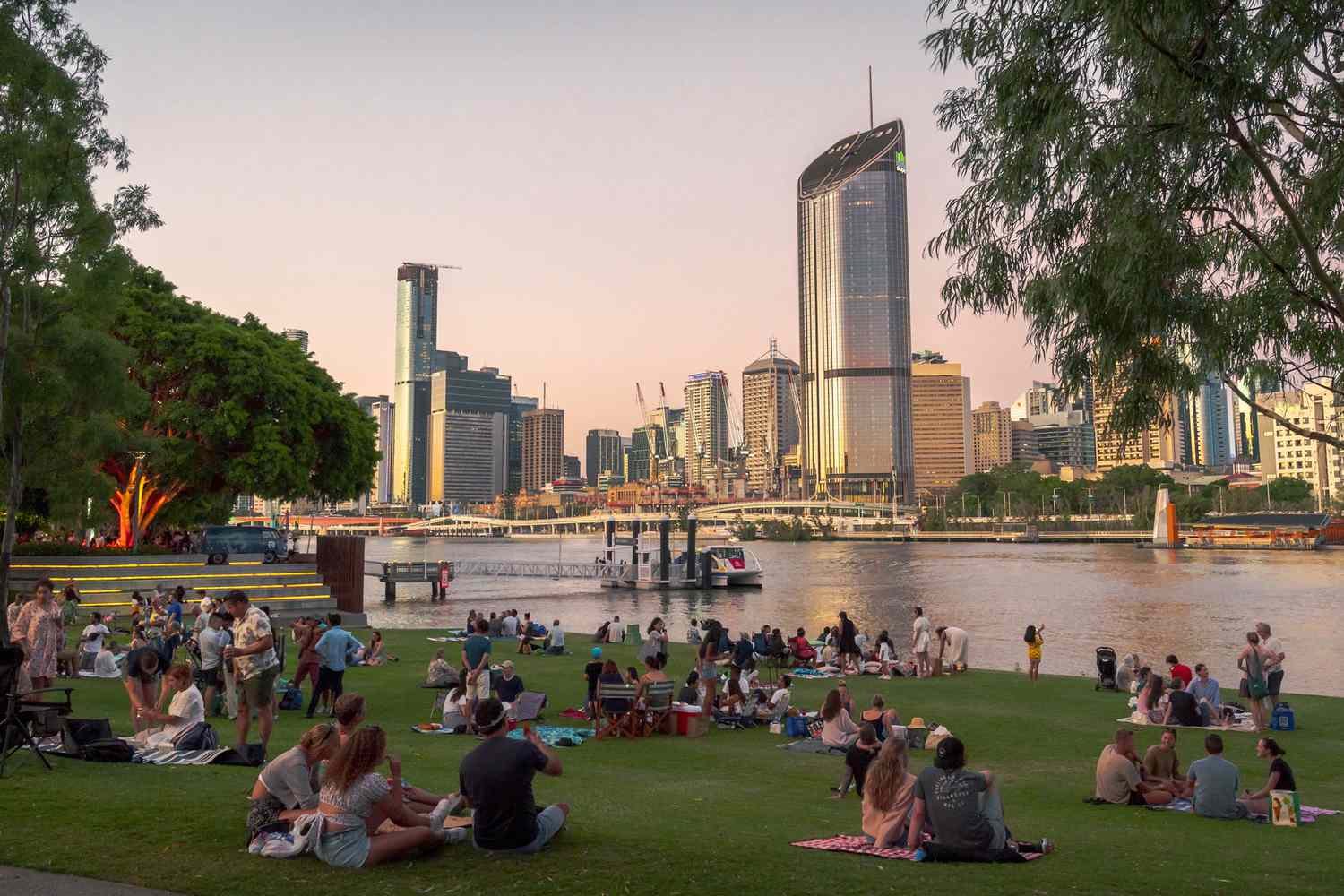
South Bank is the best all-round area for many first-time visitors because it combines cultural attractions, riverside walks, restaurants, parks, and easy access to the CBD. Fortitude Valley is better for nightlife and dining, while the CBD is the most convenient option for shopping, business, and transport connections.
| Neighbourhood | Best for | Advantages | Trade-offs |
|---|---|---|---|
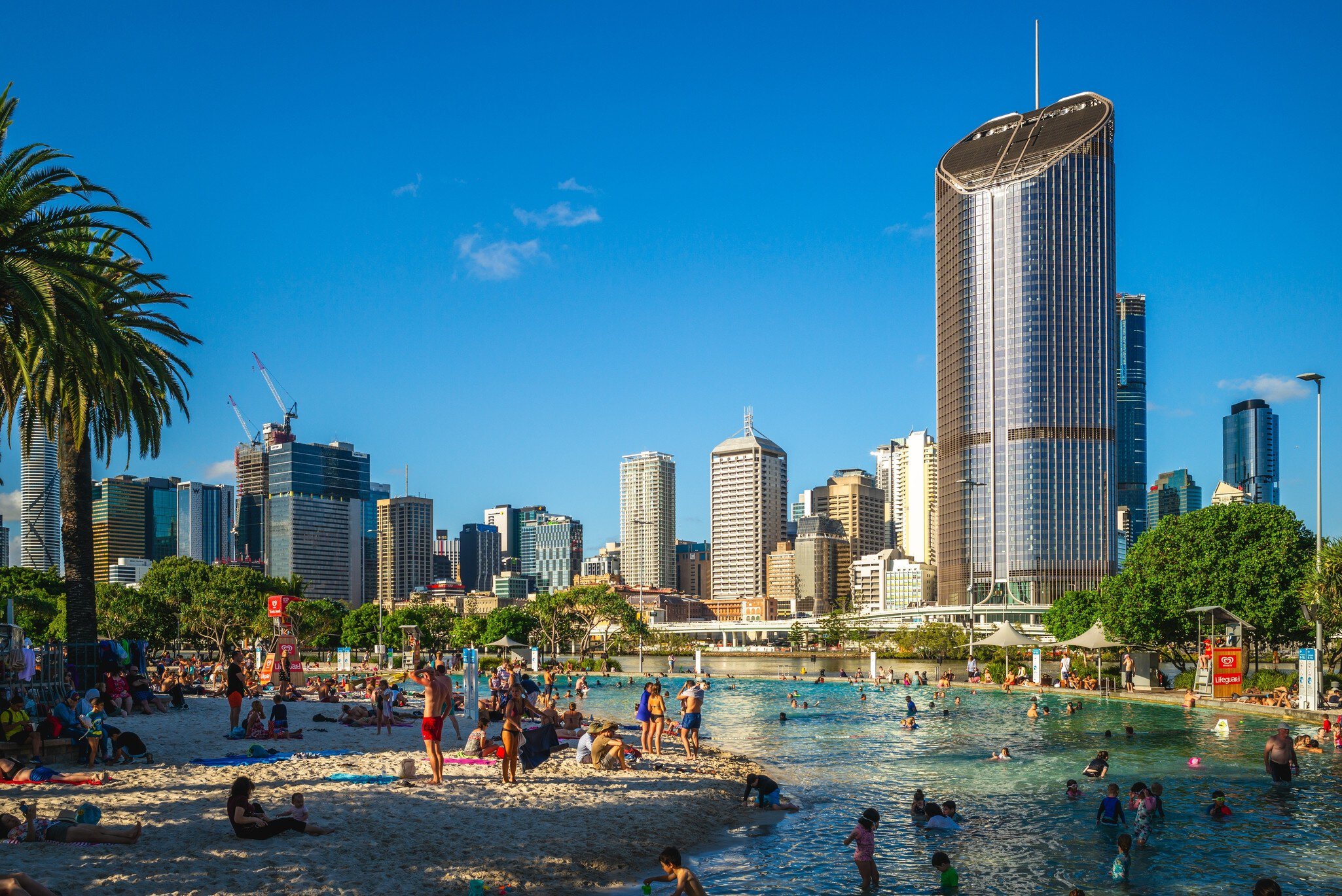
| South Bank | First-time visitors, families, culture | Museums, galleries, parklands, river walks, Streets Beach | Quieter nightlife than Fortitude Valley |
| Fortitude Valley | Nightlife, food, music | Bars, restaurants, live music, late-night activity | Noise can be noticeable on weekends |
| CBD | Short stays, business, shopping | Central location, hotels, Queen Street Mall, transport | Some streets become quiet after business hours |
| West End | Cafés, local atmosphere, longer stays | Independent restaurants, markets, relaxed neighbourhood feel | Not every attraction is walkable |
| Kangaroo Point | Views, apartment stays, quieter evenings | River views, cliffs, proximity to South Bank | Fewer late-night dining options |
How many nights should you book?
- Two nights: Enough for a quick city break focused on South Bank and the CBD.
- Three nights: The best balance for a first visit with one wildlife or regional outing.
- Four to five nights: Better if you want an island, hinterland, Gold Coast, or Sunshine Coast day trip.
What does a realistic three-day Brisbane itinerary look like?
This itinerary is designed for visitors staying in South Bank, the CBD, or nearby central neighbourhoods. It keeps the first day relatively gentle and groups attractions by area so that you spend more time exploring and less time crossing the city.
Day 1: South Bank and Brisbane’s cultural precinct
Start at the Queensland Art Gallery and Gallery of Modern Art, commonly known as QAGOMA. Check the current exhibition program and opening hours before visiting, as special exhibitions may require tickets even when general entry areas are free.
Continue through South Bank Parklands, walk beside the Brisbane River, and stop for lunch around Grey Street or the surrounding precinct. If the weather is warm, Streets Beach offers a convenient swimming area in the heart of the city.
In the late afternoon, cross the river or use a ferry to reach the CBD. Finish with dinner at South Bank, Howard Smith Wharves, or Fortitude Valley depending on your preferred atmosphere.
Day 2: CBD, gardens, and Mt Coot-tha
Begin with Queen Street Mall and the City Botanic Gardens. Add the Museum of Brisbane at City Hall if you want a concise introduction to the city’s history, exhibitions, and communities.
After lunch, travel to Mt Coot-tha for panoramic views over Brisbane. Allow extra time if you want to visit the Brisbane Botanic Gardens Mt Coot-tha or take one of the walking tracks.
Return to the city for dinner, or stay for sunset if conditions are clear. Check the return transport options in advance, particularly if you are visiting outside peak hours.
Day 3: Wildlife or a full-day escape
Choose one major experience rather than trying to combine several distant attractions. Lone Pine Koala Sanctuary is a convenient choice for visitors who want Australian wildlife without leaving the Brisbane area. Check the sanctuary’s current animal encounter rules, opening hours, and ticket conditions before booking.
For a longer day, consider North Stradbroke Island, the Gold Coast, the Sunshine Coast, or the Scenic Rim. The best choice depends on whether you prefer beaches, wildlife, hiking, food, or scenery.
Planning rule: Do not combine Lone Pine, North Stradbroke Island, and a Scenic Rim trip in one day. Choose one main experience and leave time for transport, meals, weather changes, and unexpected delays.
Best things to do in Brisbane
Free or low-cost experiences
- South Bank Parklands.
- City Botanic Gardens.
- Brisbane River walks.
- Selected gallery and museum areas.
- Markets and neighbourhood walks.
- CityHopper ferry sightseeing where available.
Paid experiences
- Lone Pine Koala Sanctuary.
- Story Bridge Adventure Climb.
- Special exhibitions.
- River cruises and guided tours.
- Food and drink experiences.
- Organised island or hinterland day trips.
How much does a trip to Brisbane cost?
Excluding international flights, a budget traveller may spend approximately 120–160 AUD per day, a mid-range traveller around 200–280 AUD, and a luxury traveller 400 AUD or more. These are planning ranges rather than fixed prices; accommodation, event dates, exchange rates, and restaurant choices can change the final amount significantly.
| Travel style | Accommodation | Food | Activities and transport | Estimated daily total |
|---|---|---|---|---|
| Budget | Hostel or basic room | Supermarket meals, takeaway, casual cafés | Free attractions and public transport | Approximately 120–160 AUD |
| Mid-range | Three-star hotel or boutique stay | Café breakfast, casual lunch, restaurant dinner | One paid attraction and local transport | Approximately 200–280 AUD |
| Luxury | Five-star or premium boutique hotel | Fine dining, wine, cocktails | Private tours, taxis, premium experiences | Approximately 400 AUD or more |
How to reduce the cost
- Stay near a public transport connection rather than choosing the cheapest hotel far from the centre.
- Mix free galleries, parks, walks, and markets with one or two paid attractions.
- Compare accommodation prices for weekdays, weekends, and event dates.
- Check the current Translink fare policy before purchasing tickets.
- Compare Airtrain, rideshare, taxi, and group-transfer prices from the airport.
- Book popular attractions directly or through a reputable platform after checking cancellation terms.
What mistakes do first-time visitors make?
Trying to see too much in one day
Brisbane’s attractions are spread across several precincts. Group your activities geographically instead of travelling back and forth across the river.
Assuming every airport fare is covered by the 50-cent policy
The ordinary Translink flat fare does not automatically apply to Airtrain. Check the official Airtrain fare information before relying on an airport-transfer budget.
Booking a hotel without checking the neighbourhood
A hotel listed as “central” may still be inconvenient for your plans. Check walking distances, ferry connections, evening noise, and the nearest transport stop.
Planning every outdoor activity for the afternoon
During warmer or more humid periods, mornings may be more comfortable for walking and sightseeing. Keep indoor attractions available as a backup.
Hiring a car for a city-only itinerary
Parking costs and traffic can make a rental car more trouble than it is worth in central Brisbane. Consider hiring one only for a specific regional trip.
Forgetting sun protection
Pack sunscreen, sunglasses, a hat, and a refillable water bottle. UV levels can be high even when temperatures feel mild.
Ignoring event dates
Festivals, concerts, sporting events, conferences, and school holidays can increase accommodation prices and reduce availability. Check the event calendar before confirming your hotel.
Frequently asked questions
How many days do you need in Brisbane?
Three full days is a good starting point for Brisbane. It allows time for South Bank and the cultural precinct, the CBD and Mt Coot-tha, plus either a wildlife visit or a day trip. Add one or two extra days if you want to explore an island, the Gold Coast, the Sunshine Coast, or the Scenic Rim.
What is the best area to stay in Brisbane?
South Bank is the best all-round choice for many first-time visitors. It is close to cultural attractions, parks, restaurants, and the river. Choose Fortitude Valley for nightlife, the CBD for convenience, West End for cafés and local atmosphere, or Kangaroo Point for river views and apartment accommodation.
Can you explore Brisbane without a car?
Yes. Central Brisbane is well suited to walking, buses, trains, and ferries. Queensland’s current Translink policy lists a 50-cent flat fare for many public transport services, although Airtrain services are excluded. Check the latest conditions on the official Translink website before travelling.
What is the best month to visit Brisbane?
March, April, May, September, October, and November are generally strong months for a city break. The best month depends on your preferred weather, events, hotel prices, and planned day trips. Check current forecasts and event listings for your dates.
What day trips can you take from Brisbane?
Popular choices include North Stradbroke Island, the Gold Coast, the Sunshine Coast, and the Scenic Rim. Lone Pine Koala Sanctuary is a shorter wildlife outing within the Brisbane area. Transport time, ferry schedules, weather, and seasonal operating hours should be checked before booking.
Do I need a visa to visit Brisbane?
Entry requirements depend on your passport, nationality, travel purpose, and length of stay. Some eligible travellers may use an Electronic Travel Authority, while others may need a visitor visa. Check the Australian Department of Home Affairs before booking or travelling. For ETA information, visit the official ETA page.
Is Brisbane safe for tourists?
Brisbane is a popular destination, but normal travel precautions still apply. Keep valuables secure, use well-lit routes at night, take extra care in busy nightlife areas, and use licensed taxis or reputable rideshare services when appropriate. Check current government travel advice for your nationality.
Useful trip-planning resources
Use official sources for current fares, entry requirements, attraction hours, transport disruptions, and event dates. Prices and schedules can change after this guide is published.
Translink
Check Queensland public transport routes, fares, and service updates.
Brisbane Airtrain
Check current airport-to-city fares and ticket options.
Tourism Australia
Find destination information and inspiration for Brisbane and Queensland.
Australian Home Affairs
Confirm visa and entry requirements for your passport.
WakaAbuja provides travel planning information for general guidance only.
Transport fares, visa requirements, attraction hours, hotel prices, weather conditions, and event schedules can change. Confirm important details with official providers before booking or travelling.