
advertisement
Plan smarter, walk less, and see more on your trip to Washington: Washington, DC Trip Planning Guide
Fact-Checked By: Maya Whitfield, Senior Travel Editor at WakaAbuja
For a first trip to Washington, DC, I recommend staying at least three full days. That gives you enough time for the National Mall, major Smithsonian museums, Capitol Hill, memorials after dark, and one neighborhood beyond the monuments. The city can be surprisingly affordable because Smithsonian museums and many National Mall sites are free, but hotels, meals, and airport transfers can quickly raise your daily budget.
Washington, DC, looks compact on a map, but it catches first-time visitors off. The mall is longer than it appears, reservations disappear earlier than expected, and trying to visit six museums in one day is a reliable way to end up tired, hungry, and still outside the museum you most wanted to see.
I have built this guide for travellers who want the useful layer of planning: where to stay, when to go, how the Metro works, what needs a timed entry pass, and how to shape a realistic three-day trip instead of racing through a checklist.
Jump to: How many days you need | Best time to visit | Airports and Metro | 3-day itinerary | Trip costs | Mistakes to avoid | FAQ
Key takeaways
- Three full days is the sweet spot for a first Washington, DC, itinerary.
- Most Smithsonian museums are free, although some of the most popular locations require free timed-entry passes.
- Spring and autumn are the most comfortable sightseeing seasons, but cherry blossom season brings major crowds and higher hotel demand.
- Choose Reagan National Airport for the easiest airport-to-city transfer when flights are comparable.
- Metro rail fares vary by time and distance, while local Metrobus rides have a flat fare, so use the official journey planner before loading a pass.
- Reserve the Washington Monument, National Museum of African American History and Culture, and National Air and Space Museum before you finalize your itinerary.
- Book accommodation near a metro station rather than chasing the cheapest room far outside the district.
How many days do you need for a trip to Washington, DC?
Three days is enough for a satisfying first visit to Washington, DC. Two days works if you focus tightly on the National Mall and two museums. Five days lets you slow down, add Georgetown and Dupont Circle, visit Arlington National Cemetery, and leave room for museums without turning every hour into a deadline.
My rule is simple: plan one major indoor attraction and one outdoor area each day. Washington rewards that rhythm. You can spend a long morning in a museum, have lunch nearby, then use the late afternoon for the memorials when the light softens and the crowds thin.
Maya Whitfield’s honest take: “Do not treat the National Mall like one attraction. It is a full day of walking, stops, security checks, photographs, snacks, and detours. Give it the time it deserves.”
Best for a 2-day trip
- National Mall monuments and memorials
- One Smithsonian museum each day
- Capitol Hill exterior and Library of Congress area
- An evening memorial walk
Worth adding with 4 to 5 days
- Georgetown waterfront and C&O Canal
- Arlington National Cemetery
- National Zoo or a second museum day
- U Street, Adams Morgan, or Dupont Circle dining
When is the best time to visit Washington, DC?
The best time for most visitors is late March through May or September through early November. Spring brings flowering trees, outdoor energy, and long sightseeing days. Autumn usually delivers more comfortable walking weather and fewer peak blossom crowds.
I would avoid building a first visit around the exact cherry blossom peak unless you can travel flexibly. Bloom timing changes with weather, accommodation sells out quickly, and the busiest areas around the Tidal Basin become far less relaxing than the photographs suggest.
Summer is workable if school holidays are your only option, but Washington can feel hot and humid. Use museums as your midday reset, start outdoor touring early, and return to the memorials after sunset. Winter is quieter and can offer better-value hotel availability, although daylight is shorter and cold rain can make long walks less appealing.
Choose spring if you want
- Cherry blossoms and gardens
- Long outdoor sightseeing days
- Seasonal events and busy city energy
- Cooler temperatures before summer
Choose autumn if you want
- Comfortable walking conditions
- Less blossom-season congestion
- Colourful parks and neighbourhood walks
- A calmer pace around the Mall
How do you get to and around Washington, DC?
For most travellers, Reagan National Airport is the easiest airport because it connects directly to the city on Metro. Dulles is practical for many long-haul flights and is linked to Washington by the Silver Line. Baltimore/Washington International can be worth considering if its fare is significantly lower, but factor in the longer transfer before booking.
Once you are in the city, I recommend walking within each district and using Metro between districts. The National Mall, Capitol Hill, Downtown, Penn Quarter, and parts of Georgetown create long walking days, so comfortable shoes matter more than they sound. A location close to a Metro station is often a better choice than a cheaper hotel that requires daily ride-hailing.
WMATA allows riders to use SmarTrip, including phone-based options and contactless payment methods at faregates. Metro rail fares vary by distance and time, while standard local bus rides use a set fare. Check the official WMATA visitor guide before choosing a pass because a multi-day pass is not always cheaper than paying per ride.
Maya Whitfield’s honest take: “I would not rent a car for a central Washington trip. Parking costs, traffic, and one-way streets create problems that Metro and walking mostly eliminate.”
Best airport choice
- DCA for the fastest central-city transfer
- IAD for wider international flight options
- BWI when fare savings outweigh transfer time
- Any airport with a schedule that protects your first day
Best areas to stay
- Downtown for first-time convenience
- Penn Quarter for museums and restaurants
- Dupont Circle for cafés and Metro access
- Capitol Hill for a quieter residential feel
What is the best 3-day Washington, DC itinerary for first-time visitors?
This itinerary keeps attractions geographically sensible. It is intentionally not a museum marathon. Pick your priorities, make reservations early, and treat every extra attraction as optional rather than mandatory.
Day 1: National Mall, monuments, and memorials
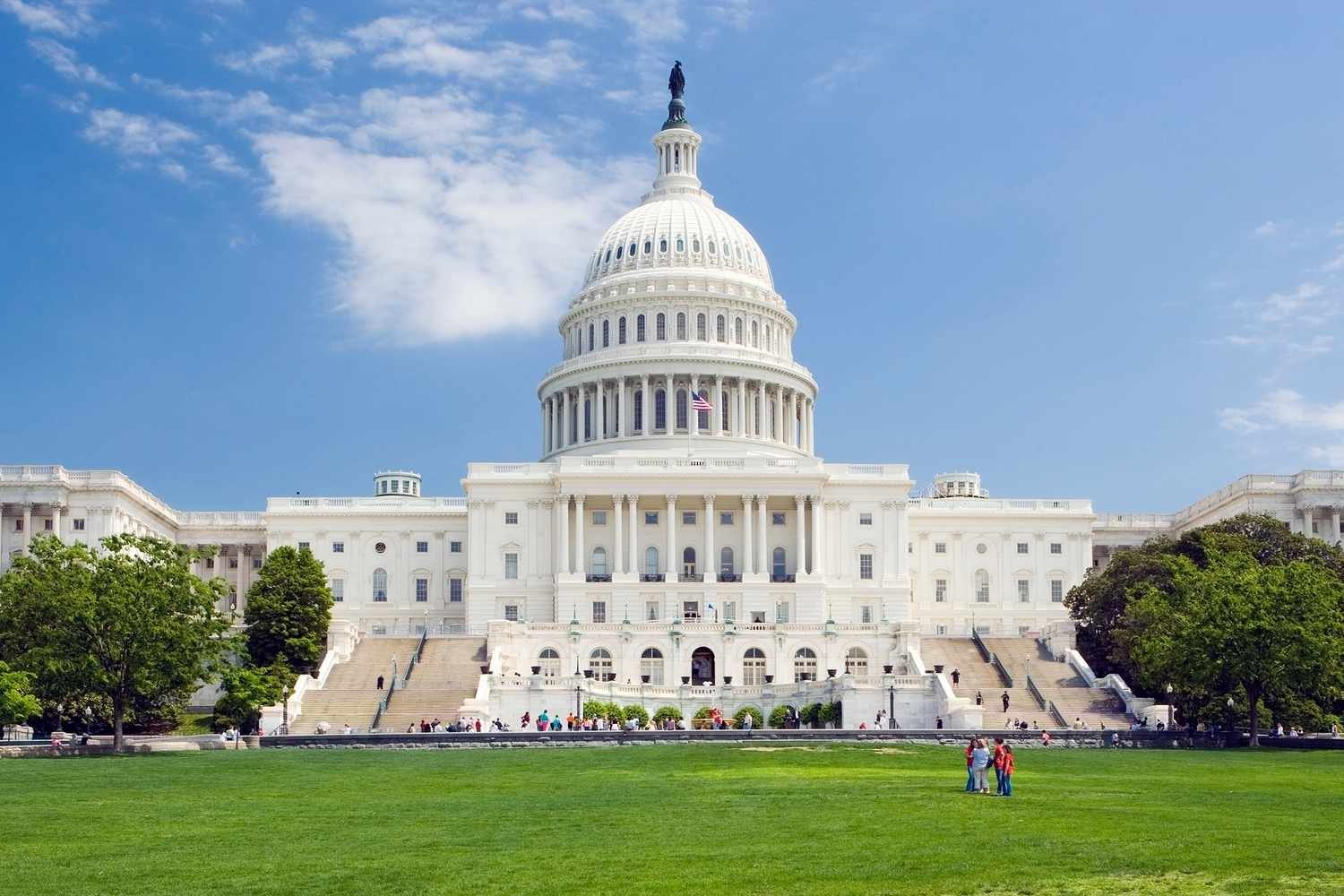
Start at the United States Capitol exterior, then walk west through the National Mall. Choose one Smithsonian museum for the late morning, preferably the National Museum of Natural History, National Museum of American History, or National Museum of the American Indian. Smithsonian museums are generally free, and many are open daily except December 25, but check individual opening hours before you go.
After lunch, continue toward the Washington Monument and World War II Memorial. Finish the day at the Lincoln Memorial, Vietnam Veterans Memorial, Korean War Veterans Memorial, and Martin Luther King, Jr. Memorial. The memorials are especially good at dusk, when the heat softens and the city feels less rushed.
Day 2: Smithsonian reservations and Capitol Hill
Use this day for your hardest-to-book museum. The National Museum of African American History and Culture requires free timed-entry passes, as does the National Air and Space Museum in Washington. The Smithsonian confirms that several sites use timed entry, so reserve as soon as your dates are firm.
Afterward, explore Capitol Hill at street level. Walk around the Supreme Court, Library of Congress, and Capitol grounds, checking official visitor rules before you arrive. If you want a White House tour, requests must be submitted through the proper channels well in advance. The National Park Service states that requests are generally made from three months to at least 21 days before your desired date.
Day 3: Washington Monument, neighborhoods, and a slower finish
Book the Washington Monument early if it matters to you. Timed-entry tickets are required for the observation level. The National Park Service recommends advance reservations and notes that tickets are released in advance, with limited same-day options available.
Spend the afternoon in a neighborhood instead of another huge museum. Georgetown works well for waterfront walking, historic streets, shopping, and dinner. Dupont Circle is a good alternative for galleries, cafés, and a less tourist-heavy feel. For evening food research, I often use TripAdvisor to compare recent restaurant reviews, then make a reservation directly with the restaurant when possible.
Reserve before you arrive.
- Washington Monument timed entry
- National Air and Space Museum timed entry
- National Museum of African American History and Culture pass
- White House tour request, if eligible
Use as flexible backups.
- Natural History Museum
- American History Museum
- National Gallery of Art
- Georgetown or Dupont Circle walks
What does a trip to Washington, DC, actually cost?
Washington can be less expensive than visitors expect once they see how many major attractions are free. The Smithsonian says its Washington-area museums and zoo offer free admission, although certain high-demand venues require a free pass. The expensive parts are usually accommodation, restaurant meals, airport transport, and last-minute bookings during major events.
For a realistic daily estimate excluding flights, I would plan around $140 to $220 per person for a budget-conscious trip, $260 to $450 per person for a comfortable mid-range trip, and $550 or more per person for a higher-end stay, all depending on room sharing, season, hotel location, and dining habits. Confirm the latest rates directly with each provider before booking.
Budget traveler
Shared accommodation, casual food, free museums, Metro, and self-guided walking.
Typical daily target: $140 to $220 per person (confirm the latest price directly with the operator).
Mid-range traveler
Central hotel, restaurant meals, Metro, and one or two paid tours or experiences.
Typical daily target: $260 to $450 per person (confirm the latest price directly with the operator).
Higher-end traveler
Premium hotel, ride-hailing, destination dining, private tours, and flexible reservations.
Typical daily target: $550 or more per person (confirm the latest price directly with the operator).
The best money-saving move is choosing a hotel near a metro station and using the free museums strategically. Browse central Washington hotel options early, especially if your dates overlap with cherry blossoms, major conventions, inauguration-related events, or school holidays.
For a price comparison before you book flights, check cheap flights to Washington, then compare routes with Kayak. If your dates are flexible, shifting by a day or choosing a different airport can materially change the total fare.
How should you plan a Washington, DC trip without wasting time?
Book timed-entry attractions first.
Build the itinerary around reservations rather than the other way around. The Washington Monument requires timed entry for the elevator to its observation level, and the National Park Service says visitors should arrive at the screening area at least 15 minutes before their reserved time. The Air and Space Museum and the National Museum of African American History and Culture also require free passes.
Group attractions by neighborhood.
Do not bounce from Georgetown to Capitol Hill and back to the Lincoln Memorial in one afternoon. Washington is walkable in clusters, not all at once. I group the Mall, Capitol Hill, Penn Quarter, and Northwest neighborhoods into separate blocks.
Leave breathing room around security checks.
Federal sites, major museums, and monuments may have bag screening. Travel light, carry water, and avoid planning museum entry immediately after another timed reservation. A thirty-minute buffer often saves an entire day.
Use official sites for rules and hours.
For the most reliable changes, check official attraction pages instead of relying on old social posts or generic itinerary pages. The Smithsonian visitor page lists which museums require passes, while the National Park Service Washington Monument page explains its ticket process.
Pick one optional guided experience.
Washington is easy to explore independently, but a guided evening monuments tour can make sense when time is short or walking is difficult. I would compare the route length, group size, cancellation terms, and recent reviews before choosing a Washington tour.
What mistakes should first-time visitors avoid in Washington, DC?
Trying to see every Smithsonian museum
There are far more museums than you can properly enjoy in one short trip. Pick two or three that genuinely interest you, then leave the rest as reasons to return.
Skipping timed-entry reservations
“Free” does not always mean walk-in. The Smithsonian identifies several locations that require free passes, and the Washington Monument has a timed-ticket system. Make these bookings before you commit to daily routes.
Underestimating the National Mall
The distance from the Capitol area to the Lincoln Memorial is substantial once you include stops. Wear shoes you have already broken in, not shoes that merely look good in photos.
Staying too far from public transport
A cheap room can become expensive after daily ride-hailing and lost time. Prioritize a hotel near metro access, especially on a short visit. For families or groups, compare central hotels with a Vrbo rental after accounting for cleaning fees, transit access, and room layout.
Assuming cherry blossom dates are guaranteed
Peak bloom is weather dependent. Treat it as a bonus rather than an immovable promise, and book refundable accommodation if blossoms are the only reason you are travelling.
Planning every dinner near the National Mall
The mall is ideal for sightseeing, not necessarily for your best meal. Explore Penn Quarter, Shaw, Dupont Circle, U Street, or Georgetown after your daytime route ends.
Ignoring practical entry requirements
International travellers should confirm their entry permission and passport requirements before booking non-refundable travel. Visit our visa planning guides for a starting point, then verify requirements directly with the relevant government authority.
Frequently asked questions
Is three days enough for Washington, DC?
Yes, three full days is enough for a first trip if you focus on the National Mall, a few Smithsonian museums, Capitol Hill, and one neighborhood. You will not see every museum, but you can have a balanced visit without rushing.
Is Washington, DC, walkable for tourists?
Yes, Washington is very walkable within individual sightseeing areas. Use Metro between districts because walking the entire Mall, Capitol Hill, Georgetown, and Northwest neighborhoods in one day is not realistic for most visitors.
Do you need tickets for Smithsonian museums?
Most Smithsonian museums are free and do not require general-entry tickets. However, the National Air and Space Museum, National Museum of African American History and Culture, and some other locations require free timed-entry passes, so check the official Smithsonian website before visiting.
What is the best month to visit Washington, DC?
April, May, September, and October are strong choices for comfortable sightseeing weather. Late March and early April are popular for blossoms, but crowds and hotel demand are often much higher.
Which airport is best for Washington, DC?
Reagan National Airport is usually the most convenient for central Washington because of its direct Metro access. Dulles can be better for international routes, while BWI can work when the airfare savings justify a longer transfer.
Do you need a car in Washington, DC?
No, most first-time visitors do not need a car. Metro, buses, walking, and occasional ride-hailing are usually simpler than dealing with parking, traffic, and street restrictions.
What should I book first for a Washington trip?
Book your flights, accommodation, and timed-entry attractions first. The Washington Monument, National Air and Space Museum, National Museum of African American History and Culture, and White House tour requests can shape the rest of your schedule.
Plan your trip: booking platforms we trust
I use different booking platforms for different jobs rather than assuming one site always wins. Compare the final total, cancellation policy, location, and reviews before committing. For Washington, the exact neighborhood and Metro distance can matter more than a small nightly saving.
Booking.com
Useful for comparing central Washington hotels by neighborhood and guest rating.
Expedia
Useful when you want to compare flight and hotel packages in one place.
Kayak
Useful for comparing flights across DCA, IAD, and BWI before booking.
GetYourGuide
Useful for small-group sightseeing and evening monument tours.
Hotels.com
Useful for comparing hotel reward options and flexible stays.
TripAdvisor
Useful for recent traveler reviews of restaurants, tours, and hotels.
For more practical advice before departure, browse our travel planning guides and our collection of best things to do before you build your final route.
WakaAbuja does its best to keep all information accurate at the time of publishing. Prices, policies, and availability change regularly. Always verify with official sources before you travel. We are not liable for errors caused by outdated information. Travel insurance is strongly recommended.