
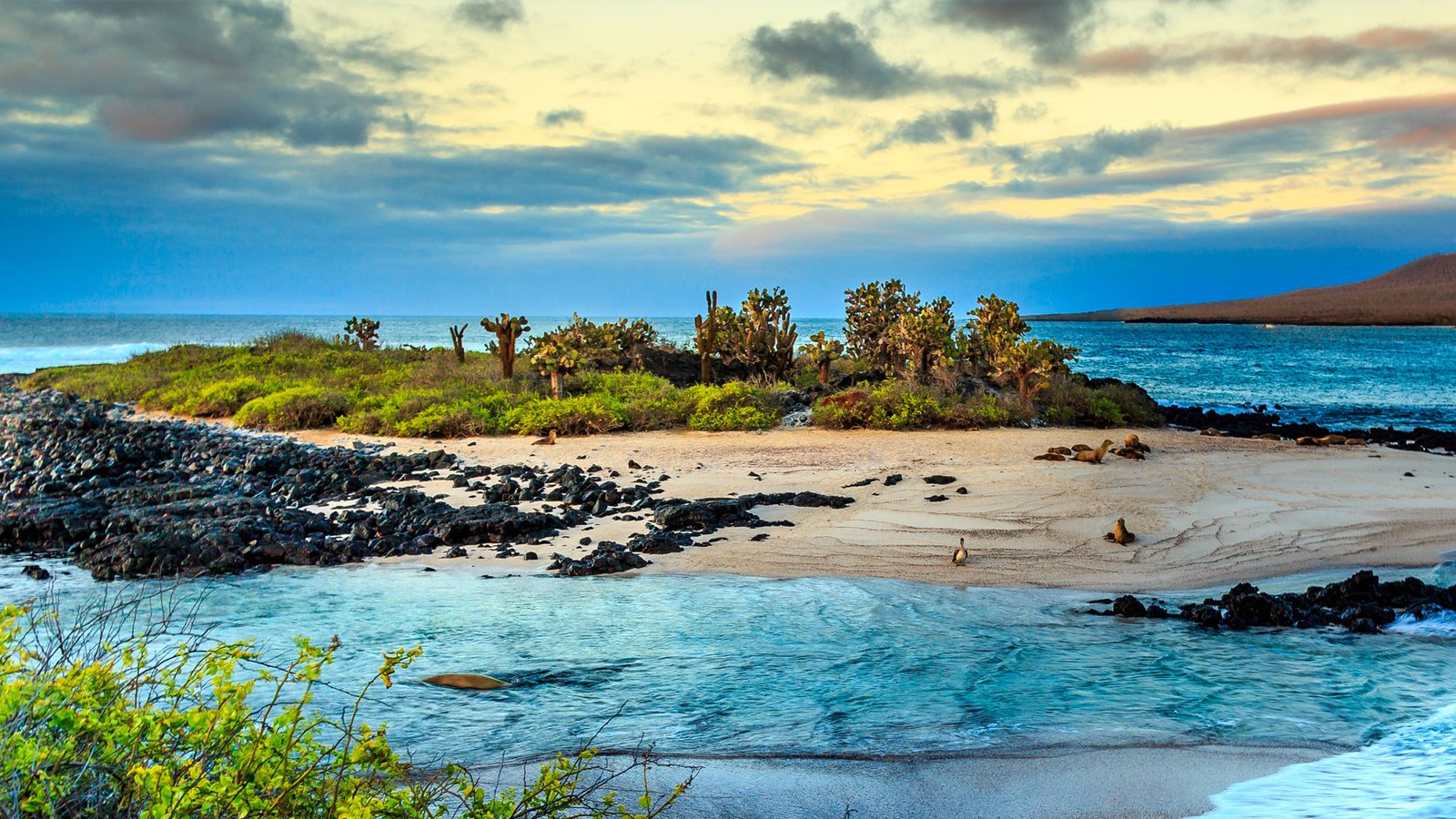
Travel to the Galápagos Islands: How to Plan, Budget, and Book Without Getting It Wrong
Travel to the Galápagos Islands requires two flights from mainland Ecuador, a US$20 Transit Control Card, and a US$200 national park entry fee for most international visitors over 12 (confirm current fees on the official Galápagos National Park site). A 7-night cruise starts around US$7,900 per person, including taxes and fees (check current rates with the cruise line), while land-based trips can be done for roughly US$400 per person per day or less depending on comfort level. The best time to visit depends on what you want: December to May brings warm water and calm seas, while June to November delivers nutrient-rich currents and dramatic marine life.
I spent three weeks planning my first Galápagos trip and still got two things wrong: I almost booked a cruise before understanding the difference between the inner and outer loops, and I did not budget for the park fee and TCT separately, which made my final costs higher than expected. This guide exists so you do not repeat those mistakes.
The Galápagos is not a destination you wing. Flights sell out months ahead, the entry paperwork starts before you leave the mainland, and the choice between a cruise and land-based travel shapes everything about your trip. Get those three things right and the islands deliver more wildlife than almost anywhere else on earth. Get them wrong, and you spend your vacation on logistics instead of sea lions.
Jump to: Key Takeaways | Cruise or Land? | Getting There | What It Costs | Best Time to Go | Sample Itinerary | Mistakes to Avoid | FAQ
Key takeaways
- Every international visitor pays a US$200 national park entry fee on arrival at Baltra or San Cristóbal, separate from the US$20 Transit Control Card (confirm current fees on the official park site).
- You cannot fly directly to the Galápagos from outside Ecuador. You must connect through Quito (UIO) or Guayaquil (GYE), then take a domestic flight of roughly 2 hours.
- A 7-night Galápagos cruise starts around US$7,900 per person, including taxes and fees, while luxury small-ship expeditions run US$9,000 or more per person (check current rates with the cruise operator).
- Land-based travel using Santa Cruz, San Cristóbal, and Isabela as bases is cheaper and more flexible, with day tours running US$100 to US$450 depending on length and inclusions (confirm current rates with local operators).
- The warm season, December to May, offers calmer seas and warmer water for snorkeling. The cool season, June to November, brings richer marine life and better diving conditions.
- Book cruises and domestic flights at least three to six months ahead, especially for travel between mid-December and mid-January or mid-June to early September.
- A licensed naturalist guide is mandatory for visiting protected areas. You cannot explore Galápagos National Park sites independently.
Should you book a cruise or travel land-based in the Galápagos?
This is the first decision that shapes your entire trip, and the one most guides gloss over. A cruise moves you between islands while you sleep, reaches remote sites that land-based travelers cannot access, and includes naturalist guides, meals, and snorkeling gear. Land-based travel keeps you in hotels on three populated islands, gives you flexibility to change plans, and costs significantly less.
I have done both. The cruise was extraordinary for access: we visited Fernandina and Española, islands that land-based trips cannot reach on day tours. The land-based trip was better for my budget and for slow mornings. Neither is objectively superior. The right choice depends on three questions: your budget, your tolerance for boat motion, and whether you value depth of access over flexibility.
Choose a cruise if
- You want remote islands: Fernandina, Española, and Genovesa are cruise-only for practical purposes.
- You prefer unpacking once: Your cabin is your room for the whole trip.
- You want guided everything: naturalists, meals, and excursions are bundled.
- Budget is flexible: Expect US$7,900 to US$12,000 per person for 7 nights (confirm current rates with the operator).
Choose land-based if
- You get seasick: Ferries between islands are short but can be rough.
- You want to control costs: Hotels, meals, and tours are priced separately.
- You prefer flexibility: Change plans based on weather or mood.
- You have less time: A 5-day land trip is easier to arrange than a 5-day cruise.
Maya Whitfield’s honest take: “If this is a once-in-a-lifetime trip and you can afford the cruise, book the cruise. The access to remote islands is not a small difference. It is the difference between seeing marine iguanas on a crowded beach and seeing them by the thousand on Fernandina with no one else around.”
How do you get to the Galápagos Islands?
There are no direct international flights to the Galápagos. Every traveler connects through mainland Ecuador, either Quito (UIO) or Guayaquil (GYE), then takes a domestic flight to Baltra (GPS, serving Santa Cruz) or San Cristóbal (SCY). Flight time runs about 2 hours from Quito with a brief stop in Guayaquil or nonstop from Guayaquil.
Step 1: Book your international flight to Quito or Guayaquil.
Most travelers from Europe or North America fly into Quito because it has better international connections and more flight options. Guayaquil is closer to the islands, and the domestic flight is shorter, but international routings are more limited. Compare fares on Kayak before committing.
Step 2: Complete the Transit Control Card (TCT) online.
The TCT is a digital requirement that generates a QR code you present at the airport before boarding your flight to the islands. It costs US$20 and must be completed before check-in at Quito or Guayaquil. Keep the QR code accessible throughout your trip. You will need it on departure from the islands as well.
Step 3: Book your domestic flight to Baltra or San Cristóbal.
Avianca, LATAM, and EQUAIR operate flights to the islands. Book as early as possible. These are small aircraft, and seats sell out during peak periods. Cruise operators often hold seat blocks and can book on your behalf, which simplifies the process if you are cruising.
Step 4: Pay the national park entry fee on arrival.
The conservation fee is collected at Baltra and San Cristóbal airports. International visitors over 12 pay US$200. Children under 12 pay US$100. Ecuadorian nationals and residents pay less. This fee is separate from the TCT and is not typically included in cruise or tour prices unless explicitly stated.
Step 5: Clear biosecurity inspection
All luggage is inspected by the ABG (Agency for Regulation and Control of Biosecurity and Quarantine) before you board your flight to the islands. The purpose is to prevent the introduction of invasive species, plants, or animals. Do not pack fresh fruit, seeds, or soil. Cooperate with inspectors and declare anything questionable.
For destination-specific visa guidance before you book, see the WakaAbuja visa guide.
What does a trip to the Galápagos actually cost?
The honest answer is that costs vary by a factor of five depending on whether you cruise or go land-based and what level of comfort you expect. The figures below are planning ranges, not quotes. Every number should be verified with the operator before you book.
Land-based budget tier
- Daily: US$200 to US$350 per person (confirm current rates with local operators).
- Lodging: Guesthouses and simple hotels in Santa Cruz, San Cristóbal, or Isabela, US$50 to US$120 per night.
- Food: Local restaurants and markets, US$20 to US$40 per day.
- Tours: Half-day snorkeling or hiking trips, US$50 to US$150 per person.
Land-based mid-range
- Daily: US$400 to US$600 per person (confirm current rates with your booking platform).
- Lodging: Comfortable hotels and boutique properties, US$150 to US$300 per night.
- Food: Mix of local and mid-tier restaurants, US$40 to US$70 per day.
- Tours: Full-day excursions including Los Tuneles or Sierra Negra, US$140 to US$200 per person.
Cruise tier (7 nights)
- Entry-level: US$7,900 to US$9,000 per person, including taxes and fees (check current rates with the cruise line).
- Mid-range: US$10,000 to US$12,000 per person for better cabins and smaller ships.
- Luxury: US$12,000 or more per person for top-tier vessels with fewer passengers.
- Includes: Accommodation, all meals, naturalist guides, snorkeling gear, and shore excursions.
Two costs catch people off guard. First, the park fee and TCT are separate from everything else: that is US$220 per adult before you have paid for a single night of accommodation (confirm current fees on the official park site). Second, domestic flights from Quito or Guayaquil to the islands run US$400 to US$600 round trip, and they are not included in most cruise quotes unless explicitly stated.
When is the best time to travel to the Galápagos?
There is no single best month. The Galápagos has two seasons, and each offers a different experience. What matters is matching your dates to what you want to see and do.
Warm season: December to May
This is the wet season, but “wet” in the Galápagos means brief, heavy showers followed by bright sunshine. Air temperatures average 29 degrees Celsius, water is warmer and calmer, and snorkeling is more comfortable. Sea turtles nest and hatch, marine iguanas display breeding colors, and land birds are active. This is the better season if you are prone to seasickness or want easy snorkeling conditions.
Cool season: June to November
The Humboldt Current brings cooler water and nutrient-rich upwellings that attract marine life. This is the better season for diving and snorkeling if you want to see penguins, fur seals, and feeding frenzies. The garúa mist creates atmospheric mornings, but water temperatures drop, and you will want a wetsuit. Seas are rougher, especially from June through September. Humpback whales pass through from June to September, and sea lion pupping begins in August.
Best for warm water and calm seas
- December to May: Warmer air and water, easier snorkeling .
- March to May: Sea turtle hatchlings and land iguana hatchlings emerge .
- April to May: Waved albatross return to Española in large numbers .
Best for marine life and diving
- June to November: Nutrient-rich currents, active marine life .
- August: Sea lion pupping season begins .
- September: Penguins active around Bartolomé, fewer visitors .
Maya Whitfield’s honest take: “I visited in August and September. The water was cold enough that I wore a 3mm wetsuit on every snorkel, but the payoff was swimming with penguins and watching sea lion pups on every beach. If warm water matters more to you than penguins, go in April.”
What does a 7-day Galápagos itinerary look like?
This itinerary assumes land-based travel using Santa Cruz and Isabela as bases. If you are cruising, your itinerary is set by the ship and will cover more remote sites. This plan is for independent travelers who want to see the highlights without booking a full cruise.
Day 1: Arrive Baltra, transfer to Santa Cruz
Fly from Quito or Guayaquil to Baltra. Pay the park fee and clear biosecurity. Take the free shuttle to the ferry, cross to Santa Cruz, then take a bus or taxi to Puerto Ayora. Afternoon visit to the Charles Darwin Research Station to see giant tortoise breeding programs. Dinner in town.
Day 2: Santa Cruz highlands and Tortuga Bay
Morning tour to the highlands to see giant tortoises in the wild and walk through lava tunnels. Afternoon at Tortuga Bay, a white-sand beach reachable by a 20-minute walk from town. Snorkel or kayak in the bay. This is a free beach, no guide required.
Day 3: Day trip to Bartolomé or North Seymour
Book a full-day boat tour to Bartolomé for the iconic Pinnacle Rock view and snorkeling with penguins, or North Seymour for blue-footed booby and frigatebird colonies. Tours run US$150 to US$250 per person including lunch and guide (confirm current rates with local operators).
Day 4: Ferry to Isabela
Take a morning ferry from Santa Cruz to Isabela, about 2 hours. Check into your hotel in Puerto Villamil. Afternoon at Concha de Perla, a calm snorkeling spot with sea lions and marine iguanas, walking distance from town.
Day 5: Los Tuneles snorkeling tour
Full-day tour to Los Tuneles, a series of lava arches and tunnels with excellent snorkeling. You will see white-tipped reef sharks, sea turtles, and possibly seahorses. Tours run US$140 to US$150 per person (confirm current rates with the operator) . This is the best single day tour on Isabela.
Day 6: Sierra Negra volcano hike
Hike to the Sierra Negra crater, one of the largest active calderas in the world. The 16 km round trip takes about 5 hours and includes views of Volcán Chico. Tours run US$60 to US$80 per person (confirm current rates with the operator) . Afternoon return to Puerto Villamil for beach time.
Day 7: Ferry back to Santa Cruz and departure
Morning ferry to Santa Cruz, then transfer to Baltra airport for your flight to the mainland. If your international flight leaves the next day, spend the night in Puerto Ayora or return to Quito or Guayaquil.
Maya Whitfield’s honest take: “This itinerary costs roughly US$2,500 to US$3,500 per person for two people sharing, including the park fee, domestic flights, ferries, hotels, and tours, but excluding international airfare (confirm current rates with each operator). A cruise covering similar ground runs double that. The trade-off is that you miss Fernandina and Española.”
What should you avoid when planning a Galápagos trip?
I have made most of these mistakes. Here are the ones that cost money, time, or both.
Booking a cruise without understanding the itinerary
Galápagos cruises follow either an inner or outer loop. The outer loop reaches Fernandina and Española, which are the best wildlife islands. The inner loop stays closer to Santa Cruz and San Cristóbal. If you want the most wildlife, check the itinerary carefully before you book. Ask which islands you will visit and which animals are likely at that time of year.
Forgetting the park fee and TCT in your budget
These are separate from cruise and hotel costs. The TCT is US$20 and the park fee is US$200 for most international adults (confirm current fees on the official park site) . That is US$220 per person before you have paid for a single night or meal. Budget travelers in particular get caught by this.
Trying to visit protected areas without a guide
Galápagos National Park rules require a licensed naturalist guide for all visits to protected sites . You cannot hike, snorkel, or explore these areas independently. Land-based travel still requires guides for day tours. This is non-negotiable and enforced.
Packing the wrong gear
Even in the warm season, the sun is intense and the water can be cool. Bring reef-safe sunscreen, a wide-brimmed hat, and a light rain jacket. If you are traveling June to November, bring a wetsuit or plan to rent one. Do not bring single-use plastics if you can avoid them, and never pack fresh food or plant material, which will be confiscated at biosecurity .
Booking too late
Cruises and domestic flights sell out months ahead. Peak periods are mid-December to mid-January and mid-June to early September . If you want those dates, book six months ahead. If you are flexible, last-minute cruise deals exist but are risky for flights and land arrangements.
Expecting luxury resort infrastructure
The Galápagos is a protected national park, not a resort destination. Hotels on Santa Cruz and Isabela are comfortable but not five-star in the international sense. Power and water are limited. Internet is slow. Embrace it. The islands are not trying to be the Maldives.
Frequently asked questions
How much does it cost to travel to the Galápagos Islands?
A 7-night cruise starts around US$7,900 per person including taxes and fees (check current rates with the cruise line) . Land-based travel costs US$200 to US$600 per person per day depending on comfort level (confirm current rates with local operators). Add US$220 per adult for the TCT and park fee, plus US$400 to US$600 for domestic flights from mainland Ecuador.
Do you need a visa for the Galápagos Islands?
The Galápagos is part of Ecuador, so you need to meet Ecuador’s entry requirements. Most Western passport holders do not need a visa for short tourist stays, but rules vary by nationality. Check with the Ecuadorian consulate for your specific case. You will also need a TCT, which is a separate internal transit document, not a visa .
Is a cruise or land-based trip better for first-timers?
A cruise is better for maximizing wildlife access and minimizing logistics. Land-based travel is better for budget, flexibility, and travelers prone to seasickness. If you can afford the cruise and want to see remote islands, book the cruise. If you want to control costs and have a slower pace, land-based works well.
What is the best time of year to visit the Galápagos?
December to May offers warmer water, calmer seas, and easier snorkeling. June to November brings cooler water, nutrient-rich currents, and better marine life viewing including penguins and whales . The best time depends on whether you prioritize comfort in the water or wildlife activity.
Can you visit the Galápagos without a tour?
You can travel between the main islands independently using ferries, but you cannot visit protected sites without a licensed naturalist guide. This means day tours are still required for snorkeling, hiking, and wildlife viewing in the national park. Independent travel is possible for logistics and accommodation, not for park access .
How many days do you need in the Galápagos?
Seven days is the minimum for a meaningful trip. Cruises typically run 7 to 8 nights. Land-based trips of 5 to 7 days cover Santa Cruz, Isabela, and one or two day tours. Anything less than 5 days means you spend too much time on logistics relative to time in the water and on the trails.
What should you pack for the Galápagos?
Bring reef-safe sunscreen, a wide-brimmed hat, quick-dry clothing, a light rain jacket, sturdy walking shoes, and snorkeling gear if you prefer your own. Add a wetsuit for June to November travel. Do not pack single-use plastics, fresh food, or plant material, which will be confiscated at biosecurity inspection .
Plan your trip: booking platforms we trust
I use these platforms when planning my own trips. They are the ones that consistently surface useful rates or reliable information, and none of them pay me to say that.
Kayak
Compare flights to Quito and Guayaquil before booking the domestic leg.
Booking.com
Hotels and guesthouses on Santa Cruz, San Cristóbal, and Isabela.
GetYourGuide
Day tours and activities on the main islands.
Expedia
Bundle international flights with mainland Ecuador hotels.
TripAdvisor
Reviews of local tour operators and restaurants on the islands.
WakaAbuja does its best to keep all information accurate at the time of publishing. Prices, policies, and availability change regularly. Always verify with official sources before you travel. We are not liable for errors caused by outdated information. Travel insurance is strongly recommended.