advertisement
The Salt Flats Are Easy to Dream About; Travel to Salar de Uyuni, Bolivia, With a Real Plan
Fact-Checked By: Maya Whitfield, Senior Travel Editor at WakaAbuja — Senior Travel Editor at WakaAbuja
To travel to Salar de Uyuni, Bolivia, most visitors take an overnight bus or short flight from La Paz, then join a guided day trip or three-day 4×4 circuit from Uyuni town. A day tour costs about $60 to $120 per person (confirm the latest price directly with the operator), while the classic three-day tour usually costs $150 to $400 per person before extra park fees and personal expenses (check current rates on the official site).
Getting to Salar de Uyuni is not difficult, but it rewards travelers who make a few decisions before arriving in Bolivia. Your route, tour length, travel season, and tolerance for cold nights can turn the same destination into completely different trips.
I built this guide around the questions that matter before you hand over a deposit: how to reach Uyuni, whether you need a guided tour, what the real trip cost looks like, and what you cannot afford to forget at more than 3,650 meters above sea level.
Jump to: How to get there | Best time to go | Tour choices | Costs | What to see | Altitude advice | Packing list | FAQ
Key takeaways
- Uyuni is reached most easily by overnight bus or flight from La Paz, with buses taking about 9 to 12 hours and flights around one hour in the air.
- The rainy season, roughly November to April, creates the famous mirror effect, although flooding can restrict access to Isla Incahuasi and some routes.
- The dry season, roughly May to November, offers salt polygons, clearer access across the flats, colder nights, and better odds of visiting remote landscapes.
- A one-day Salar de Uyuni tour usually costs $60 to $120 per person (confirm the latest price directly with the operator).
- The classic three-day, two-night jeep circuit usually costs $150 to $400 per person, depending on vehicle quality, group size, language support, food, and accommodation (check current rates on the official site).
- Most visitors should choose a guided 4×4 tour because routes across the salt flats and the high-altitude desert are unmarked and conditions change quickly.
- Bring warm layers, sun protection, extra water, cash in Bolivianos, and medication for altitude symptoms after checking with a qualified clinician.
How do you get to Salar de Uyuni from La Paz, Sucre, Potosí, or Chile?
Uyuni town is the practical base for visiting the salt flats. It is a small, high-altitude town in southwest Bolivia with tour offices, hostels, restaurants, an airport, and departures for the Salar de Uyuni and Eduardo Avaroa Andean Fauna National Reserve.
From La Paz, the overnight tourist bus is the default route for most travelers. It typically takes 9 to 12 hours and can cost around $43 one way for a reputable tourist service (confirm the latest price directly with the operator). It saves one night of accommodation and usually arrives early enough for same-day salt-flat tour departures.
Maya’s honest take: “The overnight bus is the sensible choice if you have time and want to protect your budget. Fly if you only have a short Bolivia itinerary, but build in a buffer night because high-altitude weather can affect domestic schedules.”
From La Paz
- Tourist overnight bus: about 9 to 12 hours, often around $30 to $45 one way (confirm the latest price directly with the operator).
- Budget local bus: about 10 to 13 hours, often around $15 to $26 one way (check current rates on the official site).
- Domestic flight: about one hour in the air, commonly around $125 to $160 one way (confirm the latest price directly with the operator).
- Compare routes and fares before committing through cheap flight planning tools.
From Sucre or Potosí
- Potosí to Uyuni by bus generally takes around 4 to 5 hours, depending on road conditions and service type.
- Sucre to Uyuni is usually an overnight or long daytime bus journey, often routed through Potosí.
- These routes work well if your Bolivia itinerary includes colonial cities before the Altiplano.
- Book an arrival night in Uyuni if your connection timing is uncertain, especially during the rainy season.
From San Pedro de Atacama, Chile
- Choose a 3-day cross-border 4×4 route ending in Uyuni rather than trying to navigate the remote border independently.
- Cross-border tours usually cost $180 to $350 per person for basic to mid-range options (confirm the latest price directly with the operator).
- Expect extra reserve-entry fees, border formalities, and very basic high-altitude accommodation on lower-priced trips.
- Carry your passport and confirm Chile and Bolivia entry requirements before booking through a visa and entry requirements guide.
When is the best time to visit Salar de Uyuni?
The best time to visit Salar de Uyuni depends on whether you want the mirror effect or access to the full dry salt flat. The rainy season generally runs from November to April, while the dry season generally runs from May to November. Both seasons are photogenic, but they do not deliver the same itinerary.
@viajantesdoagora A melhor hora para planejar sua ida para o Salar Uyuni na época do espelhamento é agora ✈️ 👉🏻Link na bio para viajar com a gente. #salardeuyuni #atacama #viagem #turismo
If the mirror effect is your main goal, plan for late January through March, when enough standing water often covers parts of the salt crust to create clear sky reflections. This is never guaranteed, and heavy rain can make certain areas inaccessible, including Isla Incahuasi.
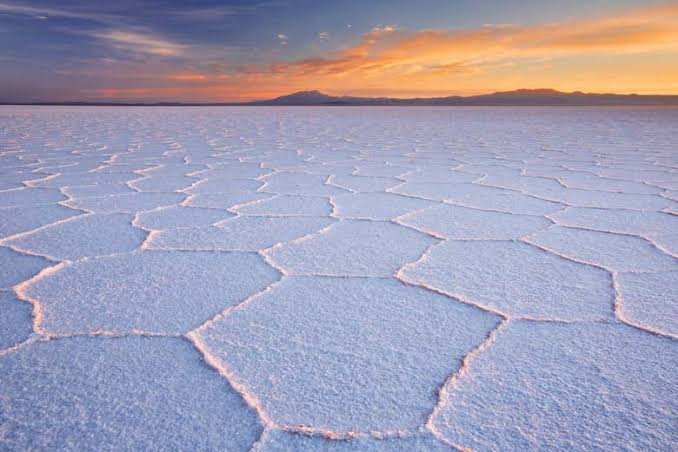
If you want classic white-salt perspective photos, visible hexagonal salt patterns, more predictable access, and a better chance of completing the wider high-altitude circuit, go during the dry season. Nights can fall as low as -20°C in exposed areas during winter conditions, so warm gear is not optional (confirm seasonal conditions with your tour operator).
Rainy season, November to April
- Best for the mirror effect and reflection photography.
- Warmest daytime conditions of the year.
- Possible flooding, route changes, and delayed transport.
- Isla Incahuasi may close when water levels are high.
Dry season, May to November
- Best for full salt-flat access and perspective photos.
- Better odds of reaching Isla Incahuasi and remote desert sites.
- Clearer skies and visible salt polygons.
- Very cold nights, especially on the multi-day southwest circuit.
Can you visit Salar de Uyuni independently, or do you need a tour?
You can independently explore Uyuni town, visit the Train Cemetery by taxi, and arrange some nearby stops. However, most travelers should take a guided 4×4 tour for the salt flats and especially for the wider southwest circuit through lagoons, deserts, geysers, and remote borderland landscapes.
There are no conventional roads across much of the Salar or in the Eduardo Avaroa reserve. Drivers navigate using local knowledge, GPS, route conditions, weather, and fuel planning. A cheap tour is not automatically unsafe, but the vehicle condition, driver experience, group size, included accommodation, and emergency planning matter far more than a glossy booking photo.
Maya’s honest take: “For a day trip, compare several operators in Uyuni and ask exactly what is included. For the three-day circuit, do not book solely on price. Ask about jeep occupancy, driver language, fuel, oxygen or emergency procedures, hostel heating, meals, and all excluded reserve fees.”
Choose a one-day tour if
- You have limited time and only want the salt flats, Train Cemetery, and sunset.
- You are based in Uyuni or returning there the same night.
- You want simple perspective photos and a quick first look.
- You are not trying to see Laguna Colorada, geysers, or the Chilean border region.
Choose the three-day circuit if
- You want Salar de Uyuni plus colored lagoons, flamingos, geysers, deserts, and hot springs.
- You can handle basic accommodation and long driving days at altitude.
- You want the best value-to-experience ratio for a first Bolivia visit.
- You can keep a flexible itinerary in case of road, weather, or border changes.
How much does it cost to travel to Salar de Uyuni, Bolivia?
A realistic Uyuni trip costs about $250 to $1,200+ per person depending on transport, tour quality, room type, meals, and how much comfort you want (confirm the latest price directly with the operator). A basic five-day Uyuni leg from La Paz, including an overnight bus and a three-day circuit, usually lands around $300 to $450 per person, while a mid-range version is more often $500 to $800 per person (check current rates on the official site).
One-day Salar de Uyuni tour
- Typical cost: $60 to $120 per person (confirm the latest price directly with the operator).
- Usually includes 4×4 transport, driver-guide, salt flats, train cemetery, photo stops, and sunset.
- Often excludes personal snacks, gratuities, and optional specialist photography support.
- Best for short itineraries and travelers sleeping in Uyuni before or after the tour.
Classic three-day, two-night circuit
- Budget shared option: $150 to $180 per person (confirm the latest price directly with the operator).
- Well-reviewed mid-range option: $180 to $260 per person (check current rates on the official site).
- Comfort-focused option: $250 to $400 per person (confirm the latest price directly with the operator).
- Usually includes transport, basic lodging, meals, and major sights, but excludes some reserve fees, hot springs, tips, sleeping bag hire, and drinks.
Chile cross-border route
- Three-day or four-day cross-border tours commonly cost $200 to $500 per person (confirm the latest price directly with the operator).
- Basic options use shared refuges and simple meals, while premium options may include upgraded lodges or smaller groups.
- Expect potential extra park fees of about $22 per person and personal spending costs (check current rates on the official site).
- Best for travelers continuing between San Pedro de Atacama and Bolivia instead of backtracking.
Maya’s honest take: “The difference between a $150 three-day tour and a $250 tour can be a warmer bed, better meals, fewer people in the jeep, a more experienced driver, and clearer communication. On a remote, high-altitude route, those are not luxury details.”
What should you see on a Salar de Uyuni tour?
The salt flat itself is the headline, but the best multi-day routes continue into Bolivia’s southwest highlands. This is where the trip shifts from clever perspective photos to high-altitude desert scenery, thermal landscapes, wild flamingos, and enormous volcanic horizons.
Core Salar de Uyuni stops
- Train Cemetery, where rusting locomotives sit outside Uyuni town.
- Colchani village, known for salt processing and craft stalls.
- Salt hotel structures and the endless white expanse of the Salar.
- Isla Incahuasi, the cactus-covered island often visited in the dry season.
- Sunset or stargazing on the salt flat, depending on tour timing and weather.
Three-day circuit highlights
- Laguna Colorada, a red-hued lagoon known for flamingo sightings.
- Laguna Verde, near the Chilean border under Licancabur Volcano.
- Sol de Mañana geothermal field with fumaroles and bubbling mud pools.
- Siloli Desert and the wind-shaped Árbol de Piedra rock formation.
- Eduardo Avaroa Andean Fauna National Reserve landscapes and wildlife.
For activities beyond the salt flats, browse our best things to do travel guides and use GetYourGuide to compare timing, inclusions, and cancellation policies before booking a tour.
How should you prepare for altitude and cold in Uyuni?
Uyuni sits at roughly 3,650 metres above sea level, and parts of the multi-day southwest circuit climb much higher. Altitude affects people differently, even if they are healthy and active at sea level. Give yourself at least one night in La Paz, Sucre, or Uyuni to acclimatize before a demanding tour when possible.
Take altitude symptoms seriously
Headache, fatigue, nausea, breathlessness, and poor sleep can occur at altitude. Rest, hydrate steadily, avoid heavy alcohol intake, eat lightly, and descend or seek medical advice if symptoms become severe. Travelers with existing medical conditions should speak with a qualified clinician before visiting high-altitude regions.
Expect extreme temperature swings
The desert can feel sunny and mild during the day, then become painfully cold after dark. On the three-day circuit, basic lodging may have limited heating and hot-water availability. Ask your operator whether bedding is included and whether a sleeping bag rental is necessary.
Keep cash and essentials accessible
Remote stops may not accept cards, have reliable mobile signal, or sell basic supplies. Carry cash in Bolivianos, your passport, a power bank, water, toilet paper, and a small emergency snack supply in your day bag.
What should you pack for Salar de Uyuni?
Pack for intense sunlight, wind, cold nights, dust, long drives, and quick temperature changes. A lightweight outfit for daytime photos is useful, but it should never replace the warm layers you need after sunset.
Essential clothing
- Insulated jacket and warm mid-layer.
- Thermal base layers for multi-day tours.
- Beanie, gloves, scarf or neck gaiter.
- Comfortable walking shoes with grip.
- Sunglasses with strong UV protection.
- Hat and long-sleeve sun layer.
Health and practical gear
- High-SPF sunscreen and lip balm.
- Refillable water bottle and electrolyte packets.
- Personal medication and clinician-approved altitude medication if needed.
- Power bank, charging cable, and camera batteries.
- Cash in Bolivianos for extras and tips.
- Toilet paper, wet wipes, and hand sanitizer.
For accommodation before and after your tour, compare Uyuni stays through our hotel travel guides or search availability on Booking.com. If you are traveling as a family or group, Vrbo can be useful for comparing larger stays where available.
What mistakes should you avoid when visiting Salar de Uyuni?
- Booking the cheapest tour without asking what is excluded. Reserve fees, hot springs, sleeping bags, water, tips, and private-room upgrades may not be included.
- Arriving directly from sea level and immediately starting a high-altitude tour. Build in acclimatization time whenever your itinerary allows.
- Expecting the mirror effect in the dry season. Go in the rainy months for reflections, or go in the dry months for polygons and wider access.
- Forgetting warm gear because daytime photos look sunny. The multi-day circuit gets extremely cold after sunset.
- Assuming cards work everywhere. Bring cash in Bolivianos for local purchases, extras, and emergencies.
- Scheduling a tight onward flight after the tour. Weather, road conditions, and border processes can create delays, so leave a buffer night.
- Ignoring travel insurance. Remote driving, altitude, flight changes, and basic medical access make strong cover worth considering.
Frequently asked questions
How many days do you need for Salar de Uyuni?
One day is enough to see the main salt flat, Train Cemetery, and sunset. Three days is better for the classic southwest circuit with colorful lagoons, geysers, deserts, flamingos, and remote high-altitude scenery. Add travel time from La Paz or Chile when planning your full itinerary.
How much does a Salar de Uyuni tour cost?
A full-day shared tour typically costs $60 to $120 per person, while the classic three-day, two-night circuit usually costs $150 to $400 per person (confirm the latest price directly with the operator). Budget carefully for park fees, optional hot springs, tips, drinks, sleeping bag hire, and upgrades that may not be included.
What is the best month for the Salar de Uyuni mirror effect?
Late January through March generally offers the strongest chance of the mirror effect because a thin layer of water can cover the salt surface. It is weather-dependent, so no operator can guarantee perfect reflections. Heavy rain can also close parts of the salt flats and Isla Incahuasi.
Is it safe to travel to Salar de Uyuni independently?
Independent travel in Uyuni town is manageable, but most visitors should use a guided 4×4 tour for the salt flats and the remote high-altitude circuit. Routes are largely unmarked, weather changes quickly, and fuel, navigation, and emergency support require local planning. Choose an operator carefully and ask about vehicles, drivers, insurance, and inclusions.
How do you get from La Paz to Uyuni?
Most travelers take an overnight tourist bus from La Paz to Uyuni, which typically takes 9 to 12 hours and can cost about $30 to $45 one way (confirm the latest price directly with the operator). Flights take roughly one hour in the air and often cost $125 to $160 one way (check current rates on the official site).
Is Uyuni cold at night?
Yes, Uyuni and the surrounding high-altitude desert can become very cold at night, particularly during the dry-season winter. Temperatures in exposed locations can fall below freezing and may reach around -20°C in extreme conditions (confirm seasonal forecasts with your tour operator). Pack thermal layers, gloves, a hat, and a warm jacket.
Do you need cash in Uyuni?
Yes, carry enough Bolivianos for food, tips, reserve fees, water, taxis, and unplanned expenses. Cards may work in some hotels and larger agencies, but connectivity can be unreliable and remote tour stops are cash-based. Keep small denominations separate from your main funds.
Plan your trip: booking platforms we trust
Use booking platforms to compare options before paying a local deposit, then read recent traveler feedback and check every inclusion in writing. Bolivia travel can be flexible, but flexibility works best when you know exactly what your booking covers.
Kayak
Compare flights to La Paz, Sucre, or Uyuni before booking domestic connections.
Booking.com
Search Uyuni hotels and flexible stays for pre-tour acclimatization nights.
GetYourGuide
Compare guided Uyuni tours with visible inclusions, reviews, and cancellation terms.
TripAdvisor
Read recent traveler reports on Uyuni tour operators, restaurants, and hotels.
Expedia
Bundle flights and accommodation for a wider Bolivia or Chile itinerary.
Hotels.com
Compare hotels and loyalty options before and after your salt-flat tour.
Keep planning your South America trip
- Travel planning guides for smarter routes, practical packing, and itinerary decisions.
- Hotels and accommodation guides for choosing stays around your route.
- Best things to do around the world for destination-specific activity ideas.
- Visa travel guidance for checking documents before crossing borders.
- Find cheap flights for comparing air routes and planning arrival cities.
WakaAbuja does its best to keep all information accurate at the time of publishing. Prices, policies, schedules, weather conditions, and availability change regularly. Always verify details with official sources and your chosen operator before you travel. We are not liable for errors caused by outdated information. Travel insurance is strongly recommended.