
advertisement
Explore the Best Places to Visit in Portugal in a practical order designed to make your trip easier.
Fact-Checked By: Maya Whitfield, Senior Travel Editor at WakaAbuja
The best places to visit in Portugal are Lisbon, Porto, Sintra, the Algarve, and the Douro Valley. For a first trip of 7 to 10 days, fly into Lisbon, spend three nights there with a Sintra day trip, take the train north to Porto for two nights, then finish in the Douro Valley or the Algarve depending on whether you want wine or beaches. Expect roughly 35 to 60 euros per person per day for mid-range food and local transport, excluding hotels (confirm current rates on the official sites before you book).
Every list tells you the same five names. Almost none of them tell you what order to see them in or whether you actually have time for all of them. I have planned Portugal trips for friends, family, and myself, and the single biggest mistake I see is treating the country like a checklist. Portugal looks small on a map. It is not small when you are on a slow train with a suitcase and a tight return flight.
So this is a route-first guide. The classic destinations are all here, but they are grouped by region and paired with realistic day counts, transfer times, and a “best for” tag tied to your trip style. That way you can build a plan instead of a wish list.
Jump to: Choosing your route | Lisbon and day trips | Porto and the Douro | The Algarve | Madeira and the Azores | Évora and Coimbra | Getting between cities | When to go | Planning mistakes | FAQ
Key takeaways
- Five places anchor almost every Portugal trip: Lisbon, Porto, Sintra, the Algarve, and the Douro Valley. Build your route around these first.
- Lisbon to Porto by train takes about 2 hours 50 minutes on the fast Alfa Pendular service (verify times on the official operator site).
- Lisbon to the Algarve by train runs roughly 3 to 4 hours depending on your destination (check current schedules before booking).
- Seven days is enough for Lisbon, Porto, and one wine or beach extension. Ten days lets you add the Algarve or the Douro without rushing.
- Sintra’s palaces sell timed-entry tickets, and the popular slots disappear days ahead in peak season. Book before you arrive.
- You do not need a car for the Lisbon to Porto corridor. You do want one for the Algarve and the Douro if you plan to explore beyond the main towns.
- Mid-range daily spending outside hotels sits around 35 to 60 euros per person (confirm current prices on the official sites).
How do you choose a Portugal route based on trip length?
The honest answer is that trip length decides your route, not the other way around. Portugal is compact, but its geography still punishes bad sequencing. If you try to see Lisbon, Porto, the Douro, and the Algarve in seven days, you will spend more time in transit than in any one place. I made that mistake on my first visit and spent a full day on trains I had not budgeted for.
Here are three skeleton routes that work. Each one assumes you are arriving and departing from Lisbon, which is the most common setup for international flights.
Five days: Lisbon plus one extension
Spend three nights in Lisbon with a Sintra day trip, then choose one of two endings. Option one is two nights in Porto, which means a fast train north and a flight home from Porto. Option two is two nights in the Algarve, which means a train south and a flight home from Faro. Do not attempt both. Five days is a city break, not a country tour.
Ten days: the classic triangle
Three nights in Lisbon, a Sintra day trip, two nights in Porto, two nights in the Douro Valley, and two nights in the Algarve. This is the most popular first-timer route and it works because each leg is a short train ride. The only backtrack is returning to Lisbon for your flight, unless you book an open-jaw ticket arriving in Lisbon and departing from Faro.
Fourteen days: add the interior or an island
Take the ten-day route and add either Évora and Coimbra for a historic interior loop, or a short flight to Madeira or the Azores for an island finish. Madeira works better as a standalone four-night stay. The Azores reward travelers who like hiking and quiet, not nightlife.

Maya’s honest take: “If you only remember one thing from this guide, make it this. Book an open-jaw ticket into Lisbon and out of Porto or Faro. It saves you an entire backtrack day and usually costs the same.”
Best for
- Five days: first-timers who want one city plus one contrast
- Ten days: the standard first Portugal trip, covers cities, wine, and coast
- Fourteen days: repeat visitors or anyone adding Madeira or the Azores
- Wine-focused travelers: skip the Algarve, double the Douro
- Beach-only travelers: fly into Faro and stay in the Algarve the whole time
Worth considering
- Coimbra as a one-night stop between Lisbon and Porto
- Évora as a two-night interior add-on instead of the Algarve
- Cascais as a low-key coastal base near Lisbon instead of staying central
Is Lisbon worth visiting, and what should you do there?
Lisbon is worth visiting and it deserves at least three nights. It is hilly, walkable in bursts, and full of neighborhoods that feel distinct from one another. Alfama is the old maze near the castle. Baixa is the flat, grid-like center. Bairro Alto and Cais do Sodré handle the nightlife. Belém, a short tram or train ride west, holds the monuments and the famous pastry shop.
My advice is to resist the urge to see everything. Lisbon rewards slow mornings and long lunches more than it rewards a packed schedule. Pick two neighborhoods per day, not five. The city’s seven hills are real, and your legs will remind you by day two.
Sintra: the day trip everyone takes
Sintra is a UNESCO World Heritage town about 40 minutes by train from Lisbon’s Rossio station. The Pena Palace and the Quinta da Regaleira are the two big draws, and both get crowded. Timed-entry tickets are standard now, and peak-season slots can sell out several days ahead (check current availability on the official park sites).
Two things I wish I had known earlier. First, go on a weekday if you can. Second, wear proper shoes. The walk between the town center and the palaces is steep and cobbled. I watched more than one person in sandals regret their choices on the way up.
If you want a guided version instead of navigating buses and queues yourself, you can book a Sintra day tour on GetYourGuide and skip the logistics entirely.
Cascais: the easy coastal add-on
Cascais is a former fishing town turned relaxed beach base, about 40 minutes by train from Lisbon’s Cais do Sodré. It is not a substitute for the Algarve, but it works well as a half-day escape from the city. The promenade walk toward Estoril is flat, scenic, and easy. If you are traveling with kids or grandparents, Cascais is a gentler option than a Sintra palace day.

Best for
- First-timers who want a walkable city base with day-trip options
- Food travelers, Lisbon has the widest restaurant range in the country
- Travelers without a car, everything here runs on trains, trams, and metro
- Anyone who wants a mix of history, nightlife, and coast in one stay
Worth considering
- Staying in Cascais and commuting into Lisbon instead
- Adding a fado dinner in Alfama, though it is touristy and pricey
- Taking the ferry to Cacilhas for cheap seafood with a skyline view
Should you visit Porto and the Douro Valley?
Yes, and for many travelers Porto ends up being the highlight. It is smaller than Lisbon, easier to walk, and the riverfront at Ribeira is genuinely striking without feeling staged. The port wine lodges in Vila Nova de Gaia, across the river, are the main attraction for most visitors. A basic lodge tour and tasting runs about 15 to 25 euros per person (confirm the latest price directly with the lodge).
Porto also has the better bookshop, the better train station, and, in my opinion, the better sandwich. The francesinha is a heavy, gravy-covered creation that I do not recommend before a long walk. Order it for lunch, then take a slow afternoon.
The Douro Valley: Portugal’s wine heartland
The Douro Valley is a UNESCO-listed wine region about two hours by train from Porto. The line follows the river and the views from the train window are the reason many people take the slow service instead of driving. Base yourself in Pinhão or Régua for one or two nights. Wine estate visits and river cruises are the main activities.
One warning: the Douro is not a place to wing it without transport. Buses are limited, taxis are scarce, and the estates are spread out. If you are not driving, book a guided wine tour in advance. You can compare Douro Valley tours on GetYourGuide before you go.
Best for
- Wine lovers, the Douro is the reason to come
- Travelers who prefer smaller cities to capital cities
- Anyone combining a city break with a scenic train ride
- Photographers, the riverfront and the terraced vineyards deliver
Worth considering
- A Douro river cruise as a half-day alternative to estate hopping
- Staying in a quinta, a working wine estate with rooms
- Skipping the Douro if you have under seven days total
Is the Algarve worth it, or is it too touristy?
The Algarve is worth it if you pick the right town. The region is large, and the experience ranges from packed package-resort strips to quiet cliffside villages. Lagos and Albufeira are the busiest. Tavira, in the east, is calmer and more authentically Portuguese. Sagres, in the far southwest, is for surfers and sunset chasers.
The beaches are the draw, and they live up to the photos. The rock formations around Ponta da Piedade near Lagos are the most photographed, and yes, they are crowded in July and August. Go in June or September and the same places feel completely different. That is the single best piece of Algarve advice I can give.
You need a car to see the Algarve properly. The train line connects the main towns but not the beaches between them. If you would rather not drive, base yourself in Lagos or Tavira and use local buses and taxis for shorter hops. Compare rental car prices on Kayak before you commit.
Best for
- Beach travelers who want warm water and dramatic scenery
- Families, the resort towns have easy amenities and shallow coves
- Anyone visiting in June or September for quieter crowds
- Surfers heading to the west coast around Sagres
Worth considering
- Tavira instead of Lagos for a slower, cheaper base
- A day trip to Benagil cave by kayak or boat from Portimão
- Skipping the Algarve entirely if you are visiting in winter
Are Madeira and the Azores worth adding to a Portugal trip?
Madeira and the Azores are not day trips. They are flight-connected island regions that each deserve their own stay, and adding one changes the shape of your trip. Madeira sits about 1 hour 40 minutes by plane from Lisbon. The Azores are roughly 2 hours 30 minutes from Lisbon, depending on which island you fly into (verify current flight times on the airline sites).
Madeira is the easier add-on. It has a compact airport, good roads, and a mix of hiking, coastal towns, and a mild climate year-round. Funchal is the main city, and the levada walks are the signature activity. Four nights is the minimum I would recommend.
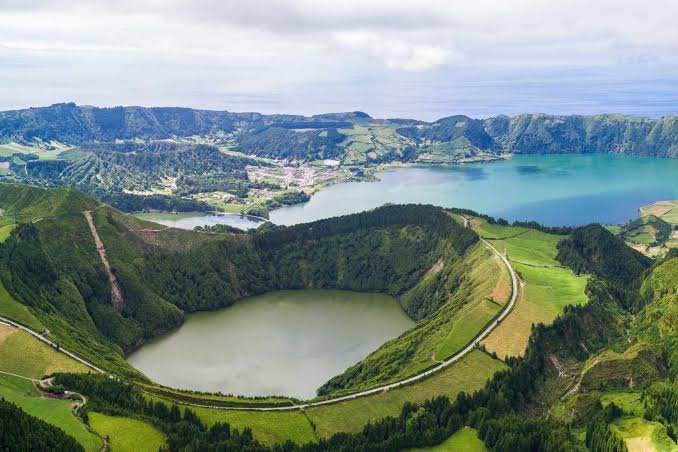
The Azores are wilder and quieter. São Miguel is the most visited island, with crater lakes, hot springs, and whale watching. If you like hiking and do not need nightlife, the Azores will likely become your favorite part of the trip. If you want restaurants and museums, skip them and put the time into the mainland instead.
Best for
- Madeira: hikers, mild-winter travelers, and anyone wanting a nature reset
- The Azores: hikers, whale watchers, and travelers who value quiet over nightlife
- Both: travelers with 14 days or more who have already seen the mainland
Worth considering
- Madeira as a standalone four-night trip rather than an add-on
- São Miguel only, if you cannot commit to multiple Azores islands
- Skipping both if your mainland itinerary is already tight
Should you visit Évora and Coimbra on a longer trip?
Évora and Coimbra are the two interior stops that most first-timers skip, and that is exactly why they are worth considering. Évora is a walled UNESCO city in the Alentejo, about 1 hour 30 minutes by bus or train from Lisbon. It has a Roman temple, a bone chapel, and some of the best and cheapest food in Portugal. Two nights is plenty.
Coimbra sits roughly halfway between Lisbon and Porto and is home to one of Europe’s oldest universities. It is a logical one-night stop if you are breaking up the train journey north. The university library, the Joanina, is the main sight, and it requires a timed ticket in high season (check current entry rules on the official university site).
Neither place is essential for a first trip of under ten days. Both are excellent additions if you have the time and want to see a Portugal that is not built around tourism.
Best for
- Évora: food travelers and anyone wanting a slower, inland Portugal
- Coimbra: history lovers and travelers breaking up the Lisbon to Porto route
- Both: repeat visitors who have already done the coast and the cities
Worth considering
- Évora as a two-night base with a wine estate day trip
- Coimbra as a half-day stop rather than an overnight
- Skipping both if you have under ten days and want the coast
How do you get between Portugal’s main destinations?
Portugal has a good train network along the coast and a limited one inland. The fast Alfa Pendular trains connect Lisbon, Coimbra, Porto, and Faro. Regional lines reach smaller towns, but they are slower. Buses fill the gaps, especially in the Alentejo and the Algarve. Here is what the main legs look like in practice.
Lisbon to Porto by train
About 2 hours 50 minutes on the Alfa Pendular, or roughly 3 hours 20 minutes on the slower Intercidades. Both leave from Lisbon’s Santa Apolónia or Oriente stations and arrive at Porto’s Campanhã. Book seats in advance in summer, when the fast trains sell out. Verify current timetables and fares on the official operator site before you travel.
Lisbon to the Algarve by train
Roughly 3 hours to Faro on the fastest service, longer if you are heading to Lagos or Tavira. The line runs from Lisbon’s Oriente station. If you are flying home from Faro, this is a clean one-way leg rather than a round trip. Check current schedules on the official operator site, as seasonal services vary.
Porto to the Douro Valley by train
About 2 hours to Pinhão on the scenic Douro line, leaving from Porto’s São Bento or Campanhã stations. The riverside section between Régua and Pinhão is the highlight. Sit on the right side going upstream if you can. This is the one train journey in Portugal I would take for the view alone.
Driving versus trains
Trains win on the Lisbon to Porto corridor and on the Douro line. Driving wins in the Algarve, the Alentejo, and anywhere you want to reach small towns and estates. Toll roads exist and some require an electronic transponder, which rental companies usually provide for a daily fee (confirm the exact charges with your rental agency).
For a broader look at how I plan transport and bookings for trips like this, see the travel planning section on WakaAbuja.
When is the best time to visit Portugal?
The best time to visit Portugal is late spring, from May to mid-June, or early autumn, from mid-September to October. Both windows give you warm weather, fewer crowds, and lower hotel prices than the July and August peak. This is not a controversial opinion among people who plan Portugal trips often.
Spring, March to May
Spring is mild and green, with wildflowers in the Alentejo and comfortable walking weather in Lisbon and Porto. Rain is still possible, especially in the north. May is the sweet spot. Hotel prices are reasonable and the major sights are not yet overwhelmed.
Summer, June to August
Summer is hot, dry, and busy. The Algarve beaches are at their best for swimming, but the crowds and prices peak in July and August. Lisbon can hit 35 degrees Celsius or higher. If you must travel in summer, book everything well in advance and plan your sightseeing for early morning and late afternoon.
Autumn, September to November
September and early October are excellent. The sea is still warm from summer, the crowds thin out, and the light is beautiful. The Douro harvest happens in September, which makes it a great month for wine travelers. November turns cooler and wetter, especially in the north.
Winter, December to February
Winter is quiet and cheap, with mild temperatures in the south and rain in the north. The Algarve is too cold for most beachgoers but fine for walking and sightseeing. Madeira stays mild enough for hiking year-round. Lisbon and Porto are cold but manageable with a proper coat.
What are the most common Portugal planning mistakes?
I have made most of these myself, so this section comes from experience rather than theory. Avoiding even two of them will make your trip noticeably better.
Trying to see too much in one trip
Portugal is small on the map and big on the ground. A route that looks reasonable on paper often means a different hotel every night. Pick fewer bases and stay longer. Three nights in one place beats one night in three places almost every time.
Underestimating Sintra crowds
Sintra is the most crowded day trip in Portugal. The trains from Lisbon fill up, the buses to the palaces queue, and the ticket lines can eat an hour. Book timed entries in advance, arrive early, and accept that you will not see everything in one day. Pick two palaces, not five.
Skipping the reservation for popular restaurants
Lisbon and Porto have excellent restaurants, and the good ones book out days ahead for dinner. This is especially true in Alfama, Bairro Alto, and Ribeira. If there is a specific place you want to eat, reserve it before you leave home. Otherwise you will settle for whatever has a table.
Assuming you need a car everywhere
You do not need a car for Lisbon, Porto, Sintra, or the Douro if you book tours. You do want one for the Algarve and the Alentejo. Renting a car for the whole trip just to use it for three days is a waste of money and a parking headache in the cities.
Traveling in August if you hate crowds
August is when Europe goes on holiday, and Portugal is a top destination. Beaches, trains, and major sights are at their busiest. If you can shift your trip to June or September, do it. The weather is nearly as good and the experience is far calmer.
Ignoring the interior entirely
Évora, Coimbra, and the Alentejo countryside are some of the most rewarding parts of Portugal, and they are almost empty compared to the coast. If you have ten days or more, trade one beach day for one interior day. You will not regret it.
Not checking holiday closures
Portuguese national holidays can close museums, restaurants, and shops, sometimes without much warning online. Check the holiday calendar before you build your daily plan, especially around Easter, June 10, and August 15 (verify current closures with the specific venues you plan to visit).
Frequently asked questions
Is 7 days enough for Portugal?
Yes, 7 days is enough for Lisbon, Porto, and one extension, either the Douro Valley or the Algarve. It is not enough for all three regions plus Sintra. If you have 7 days, pick two bases and do one day trip from each. Trying to cover the whole country in a week means you spend most of it in transit.
Should I visit Lisbon or Porto first?
Visit Lisbon first if you are flying into Lisbon, since it is the larger hub and the natural starting point. Then take the train north to Porto and fly home from there if you can book an open-jaw ticket. If you are flying into Porto, reverse the order. The route works in both directions.
Do I need a car to visit Portugal?
You do not need a car for Lisbon, Porto, Sintra, or the Douro Valley if you use trains and guided tours. You do want a car for the Algarve and the Alentejo, where public transport is limited and the best spots are spread out. Many travelers rent a car for only part of the trip.
What is the best time of year to visit Portugal?
Late May to mid-June and mid-September to October are the best windows. You get warm weather, fewer crowds, and lower prices than the July and August peak. The Algarve is best for swimming from June through September. The Douro harvest in September is a highlight for wine travelers.
Is the Algarve worth visiting in winter?
The Algarve in winter is mild but not beach weather. Daytime temperatures often sit around 15 to 17 degrees Celsius, which is fine for walking, golf, and sightseeing but too cold for most people to swim. It is quiet and cheap, which appeals to some travelers and bores others.
How much does a trip to Portugal cost per day?
Mid-range travelers should budget around 35 to 60 euros per person per day for food, local transport, and entry fees, excluding accommodation (confirm current prices on the official sites). Budget travelers can manage on 25 to 35 euros per day. Fine dining and wine tours push costs much higher.
Is Sintra a day trip from Lisbon?
Yes, Sintra is a straightforward day trip from Lisbon. The train from Rossio station takes about 40 minutes. Go early, book timed tickets for the Pena Palace and Quinta da Regaleira in advance, and wear comfortable shoes. One day is enough for two palaces and the town center.
Are Madeira and the Azores part of a mainland Portugal trip?
They are separate island regions that require flights, so they work best as add-ons or standalone trips. Madeira is about 1 hour 40 minutes from Lisbon by plane and works well for a four-night extension. The Azores are further and better suited to travelers with at least five extra days.
Plan your trip: booking platforms we trust
I use these platforms when I plan Portugal trips. They are not the only options, but they are reliable and consistently useful for comparing prices and reading real reviews. I have noted what each one is best for so you can go straight to the one that fits your needs. For more hotel-specific guidance, browse the hotels section on WakaAbuja.
Agoda
Best for Asian hotel deals and sometimes surprising European rates.
General hotel search with strong filter options and free cancellation deals.
Best for flight and hotel packages if you want to bundle and save.
Flight and rental car price comparison across multiple providers.
Family villas and vacation rentals, especially useful in the Algarve.
Tours and activities, including Sintra day trips and Douro wine tours.
Loyalty rewards bookings, good if you collect stamps toward free nights.
Reviews and restaurant finds, useful for cross-checking recent diner feedback.
WakaAbuja does its best to keep all information accurate at the time of publishing. Prices, policies, and availability change regularly. Always verify with official sources before you travel. We are not liable for errors caused by outdated information. Travel insurance is strongly recommended.