Explore the best places to go camping in Texas, from scenic state parks to affordable lakeside sites, with costs and booking tips for every type of trip.
Fact-Checked By: Maya Whitfield—Senior Travel Editor at WakaAbuja
The best places to camp in Texas split into four regions: the Hill Country for rivers and granite domes, the Gulf Coast for beaches and birding, the Piney Woods for lakes and forests, and West Texas for desert solitude and dark skies. State park campsites cost 15 to 30 USD per night for basic tent sites, while RV hookups run 25 to 50 USD (confirm the latest price directly with the operator). Popular parks like Garner, Enchanted Rock, and Pedernales Falls book out months ahead for spring and fall weekends.
Texas has over 90 state parks and thousands of campsites, but the popular ones sell out in minutes when the reservation window opens. Nobody tells you that until you are staring at a “no availability” calendar three weeks before your trip. I have made the drive to Enchanted Rock on a Saturday morning in March expecting to find a walk-up site. There were none, and I ended up sleeping in my car at a roadside rest stop.
This guide exists so you do not repeat that. Here are 35 of the best places to camp in Texas, organized by region, with real costs, booking difficulty, and the heat-season warnings most lists skip.
Jump to: Comparison Table | Hill Country | Gulf Coast | West Texas & Big Bend | Piney Woods & DFW | RV Camping | Primitive Camping | Heat & Safety | How to Book | FAQ
Key takeaways
- Book Texas state parks 5 months ahead. The TPWD reservation window opens 5 months in advance, and popular sites go within minutes for spring and fall weekends.
- Summer camping in Texas is dangerous if you are unprepared. Afternoon highs routinely exceed 38°C in the Hill Country and 43°C in Big Bend.
- Basic tent sites cost 15 to 30 USD per night. Primitive sites are cheaper; cabins and screened shelters run 50 to 120 USD (confirm the latest price directly with the operator).
- West Texas is underrated for camping. Big Bend National Park and Big Bend Ranch State Park offer solitude and the darkest skies in the state.
- Flash floods are a real risk in the Hill Country. Check river levels before you camp near water, especially in spring and after heavy rain.
- Drive time matters more than distance. Texas is huge. A “nearby” park can be a 4-hour drive from the nearest major city.
At-a-Glance: Texas Camping Spots Compared

If you have 60 seconds, this table covers the essentials. Fees are approximate starting rates for standard tent sites and should be confirmed on the official booking page (check current rates on the official site).
Enchanted Rock SNA
Region: Hill Country
From: 20 USD/night (confirm the latest price directly with the operator)
Booking: Book 5 months ahead. Walk-up sites are nearly impossible on weekends.
Garner State Park
Region: Hill Country
From: 25 USD/night (confirm the latest price directly with the operator)
Booking: Extremely hard in summer. Book the full 5 months ahead.
Big Bend National Park
Region: West Texas
From: 15 USD/night for primitive, 25 USD for developed (confirm the latest price directly with the operator)
Booking: Some sites are reservable, some are first-come. Avoid summer unless you are experienced.
Pedernales Falls, SP
Region: Hill Country
From: 20 USD/night (confirm the latest price directly with the operator)
Booking: Book 5 months ahead for fall and spring weekends.
Palo Duro Canyon SP
Region: Panhandle
From: 20 USD/night (confirm the latest price directly with the operator)
Booking: Moderate. Shoulder season fills up, but winter is usually available.
Padre Island NS
Region: Gulf Coast
From: 10 USD/night for beach camping (confirm the latest price directly with the operator)
Booking: First-come, first-served. Check tide levels before you go.
Best Camping in the Texas Hill Country
The Hill Country is the most popular camping region in Texas, and for good reason: clear rivers, granite domes, and cypress-lined creeks. But it is also the most crowded and the most expensive, especially in spring when the bluebonnets bloom and every site fills up.
Enchanted Rock is the single most iconic spot. The pink granite dome is a short but steep climb, and the summit views stretch for miles. But the campsites are limited, and the park closes to day use when capacity is reached, which means campers get priority. Garner State Park is the classic summer swimming destination, with the Frio River running through the park. It is beloved, crowded, and almost impossible to book for summer weekends unless you plan months ahead.
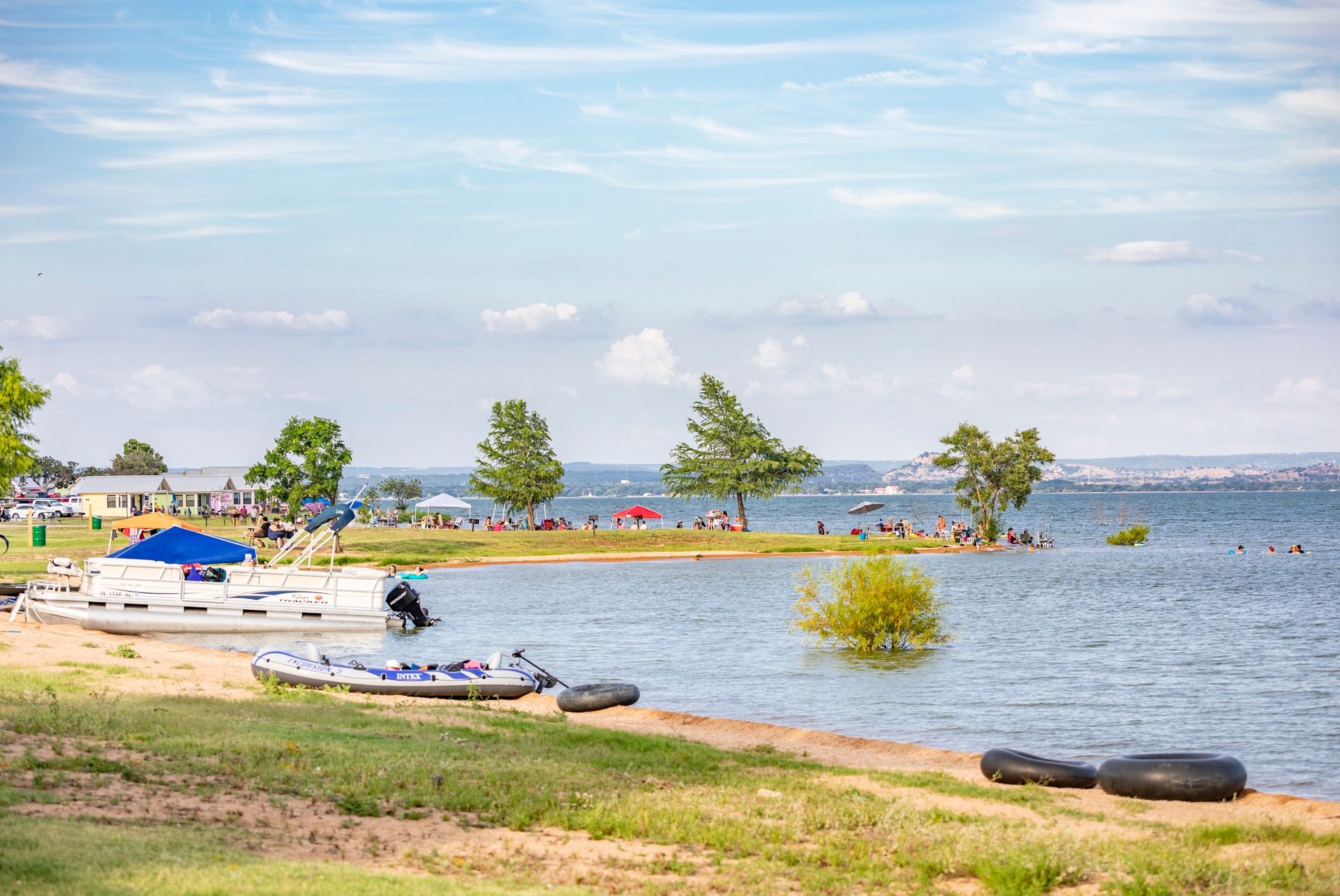
Maya Whitfield’s honest take: “I have camped at Enchanted Rock twice. Both times, the best part was waking up before sunrise and hiking the dome before the day-use crowds arrived. If you camp there, you get the park to yourself for two hours. That alone is worth the booking hassle.”
Best Camping on the Texas Gulf Coast
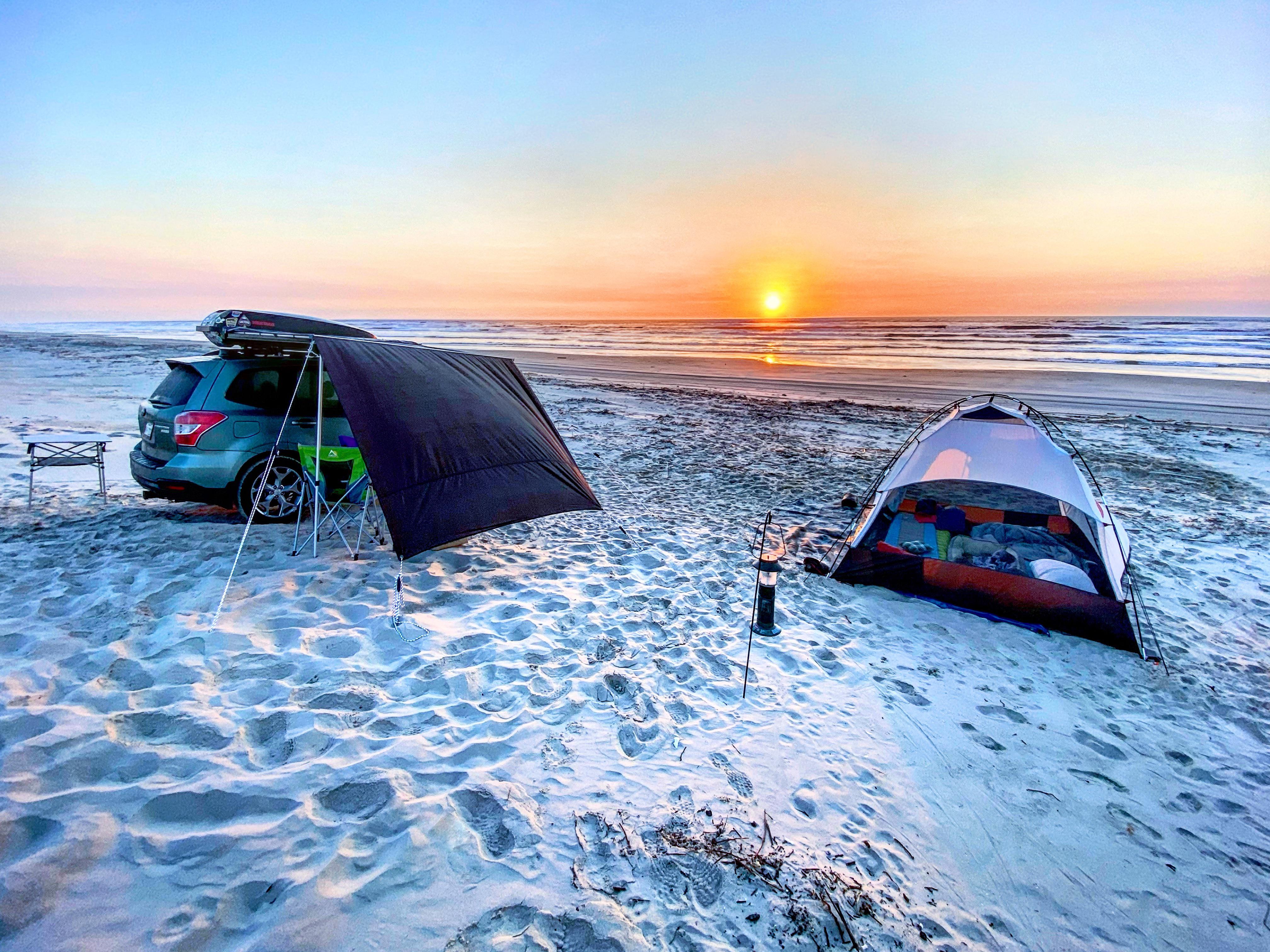
The Texas Gulf Coast offers beach camping, birding, and warm water from April through October. Padre Island National Seashore is the standout for primitive beach camping, where you drive onto the sand and set up camp within sight of the waves. It is raw, windy, and unforgettable.
For a more structured coastal experience, Goose Island State Park near Rockport has shaded sites, fishing piers, and easy access to the bay. It is better for families who want a real bathroom and a picnic table. The birding is excellent in spring and fall when migratory species pass through.
Best Camping in West Texas and Big Bend
Most Texas camping lists skip West Texas entirely, which is a mistake. Big Bend National Park is one of the least-visited national parks in the lower 48, and the camping there is spectacular: desert silence, mountain views, and the darkest night skies in the state. The Chisos Basin campground sits at 1,600 meters and stays cooler than the desert floor, though it fills fast in spring and fall.
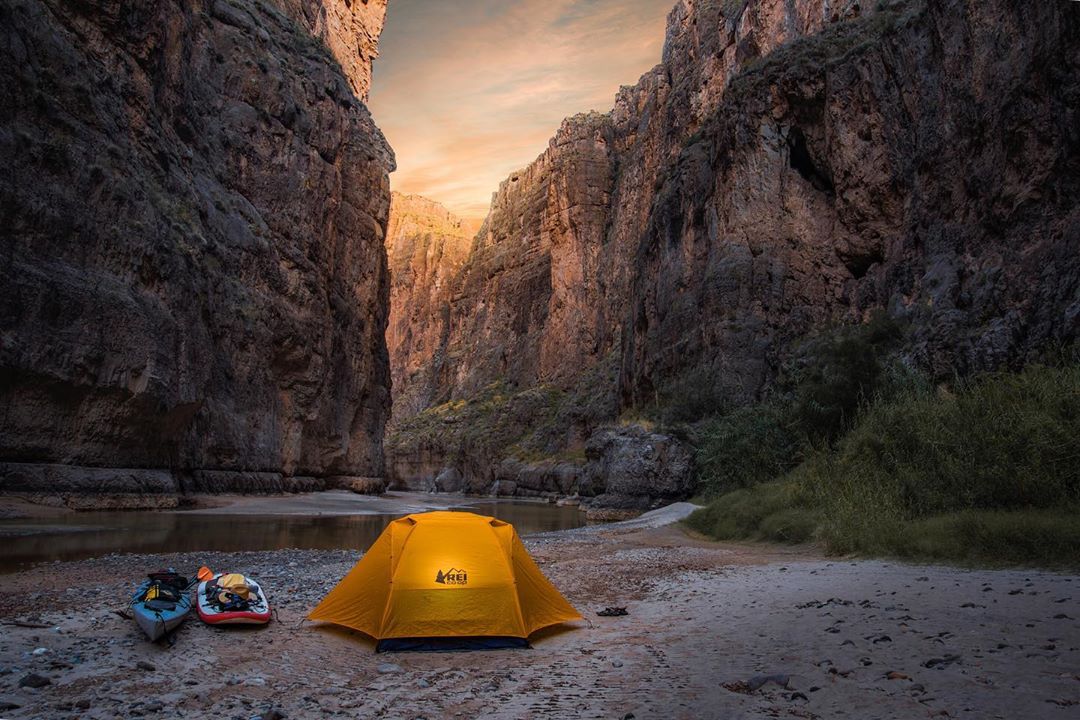
Big Bend Ranch State Park, just west of the national park, is even more remote. It offers primitive roadside campsites along the Rio Grande and interior sites that require high-clearance vehicles. This is not beginner camping, but for experienced campers who want solitude, it is the best Texas has.
Best Camping in the Piney Woods and Near DFW
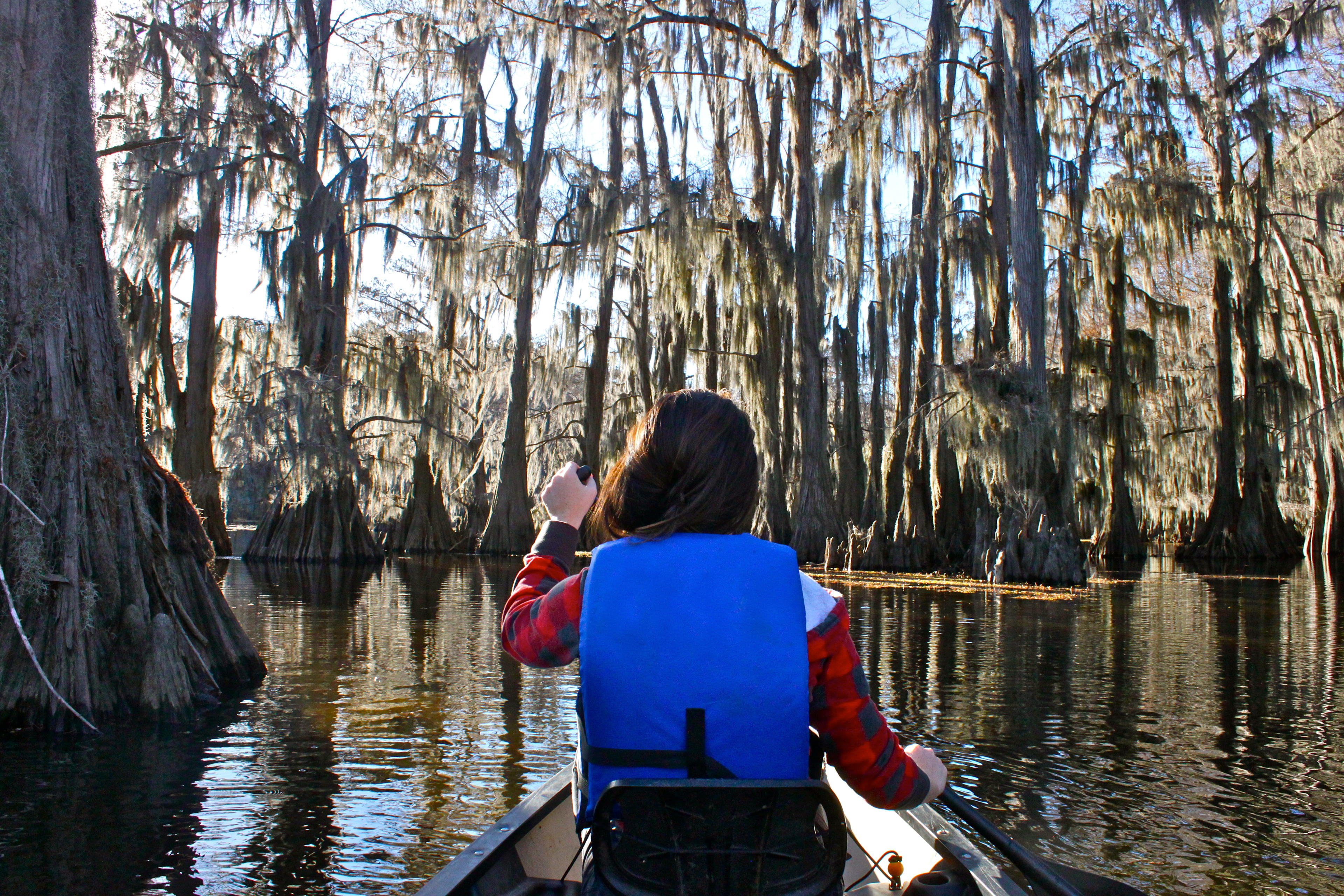
East Texas is the underappreciated camping region. The Piney Woods offer tall trees, quiet lakes, and milder summers than the Hill Country. Caddo Lake State Park, on the Louisiana border, is a maze of cypress swamps and Spanish moss. It is eerie, beautiful, and completely different from the rest of Texas.
Near Dallas-Fort Worth, Dinosaur Valley State Park in Glen Rose has river access and actual dinosaur tracks in the limestone. It is a great family camping spot because the hiking is easy and the river is shallow enough for kids to wade. For lake camping, Lake Texoma and Ray Roberts Lake State Park are both within an hour of DFW and offer solid fishing and swimming.
Best RV Camping in Texas
Texas is very RV-friendly, with hundreds of private RV parks and state parks that offer full hookups. The best state park RV camping is at Garner State Park, Palo Duro Canyon, and Inks Lake State Park, all of which have electric and water hookups at most sites. Private KOA and Good Sam parks are more expensive but offer more amenities like pools, laundry, and Wi-Fi.
For a genuine Texas experience, consider an RV site at a Hill Country river park during the shoulder season. You get the river access without the summer crowds, and the temperatures are perfect for sitting outside in the evening.
Best Primitive and Backcountry Camping in Texas
Primitive camping means no water, no electricity, and usually a vault toilet at best. It is cheaper, quieter, and often more scenic than developed sites. Big Bend Ranch State Park and the interior campsites at Big Bend National Park are the crown jewels of Texas primitive camping, but they require planning, water, and a reliable vehicle.
Closer to civilization, Hill Country State Natural Area near Bandera offers primitive walk-in sites that feel remote without the long drive. You carry your gear a few hundred meters from the parking area and camp in open grassland with no neighbors. It is a good introduction to primitive camping for people who are not ready for Big Bend.
Texas Camping Safety: Heat, Flash Floods, and What to Pack
Texas camping is safe if you respect the weather. The biggest risks are heat illness in summer and flash floods in the Hill Country river canyons. Here is what to know.
- Do not camp in Big Bend or the desert regions between June and August unless you are experienced with extreme heat. Afternoon highs routinely exceed 43°C.
- Check river levels before camping near Hill Country rivers. Flash floods rise fast and have killed campers who set up in dry creek beds.
- Pack 4 liters of water per person per day in summer, and more if you are hiking.
- Bring shade. Many Texas campsites have limited tree cover. A tarp or pop-up canopy makes summer camping survivable.
- Watch for snakes. Rattlesnakes are common in West Texas and the Hill Country. Check your tent before you get in.
Maya Whitfield’s honest take: “I camped at Pedernales Falls one April and woke up to a ranger knocking on my tent at 6 a.m. telling me the river was rising. We packed in 10 minutes and left. Check the weather before you go, and if the ranger says move, move.”
How to Actually Book a Texas State Park Campsite
The Texas Parks and Wildlife Department (TPWD) opens reservations 5 months in advance on a rolling window. Popular parks like Garner, Enchanted Rock, and Pedernales Falls sell out within minutes of the window opening for spring and fall weekends. Set a calendar reminder for the exact day your window opens, and be online at 8 a.m. Central Time.
Some parks hold back a small number of walk-up sites, but these are unreliable and usually taken by early afternoon on Fridays. If you are flexible, midweek camping is dramatically easier to book at almost every park in the state. Sunday through Thursday nights are often available even at popular parks.
Frequently asked questions about camping in Texas
Do I need a reservation to camp in Texas state parks?
Yes, for almost all developed campsites. The TPWD reservation system opens 5 months in advance, and popular parks sell out quickly for spring and fall weekends. Some parks have a small number of walk-up sites, but they are not reliable.
What is the cheapest way to camp in Texas?
Primitive campsites at state parks cost 10 to 15 USD per night (confirm the latest price directly with the operator). Beach camping at Padre Island National Seashore is even cheaper. You give up water and electricity, but you gain solitude.
Is it safe to camp in Texas in summer?
It can be, but only if you prepare for extreme heat. Camp in the Piney Woods or at higher elevations like the Chisos Basin in Big Bend. Avoid the desert regions and the Hill Country from June through August unless you have shade and plenty of water.
What is the best time of year to camp in Texas?
March through May and September through November are the best months. Spring brings wildflowers and mild temperatures, while fall offers cooler nights and fewer crowds than spring break. Winter camping is good in South Texas and the Gulf Coast.
Can I camp on the beach in Texas?
Yes. Padre Island National Seashore allows primitive beach camping along the shoreline. You need a 4WD vehicle for some sections, and you must check tide levels before setting up. Camping is also allowed on some county beaches with a permit.
Are there cabins at Texas state parks?
Yes, many state parks offer cabins, screened shelters, and yurts. Prices run 50 to 120 USD per night depending on the park and season (confirm the latest price directly with the operator). These book out even faster than campsites, so reserve early.
Plan your trip: booking resources we trust.
These are the platforms I actually use to research and book Texas camping trips. Always cross-check the official park pages against at least one of these before paying.
ReserveAmerica
Best for booking Texas state park campsites through the official TPWD system.
Recreation.gov
Essential for booking national park and national seashore campsites like Big Bend and Padre Island.
Booking.com
Useful for finding cabins and glamping options near major Texas parks.
Expedia
Good for bundling a car rental with a hotel near a park for the night before you camp.
TripAdvisor
Essential for reading recent reviews of specific Texas campgrounds before you book.
Vrbo
Useful for renting a cabin or lake house near a Texas camping area for a mixed indoor-outdoor trip.
WakaAbuja does its best to keep all information accurate at the time of publishing. Prices, policies, and availability change regularly. Always verify with official sources before you travel. We are not liable for errors caused by outdated information. Travel insurance is strongly recommended.