Travel to Japan: The First-Timer’s Guide I Wish I Had, With Real Costs and a Working Plan
Travel to Japan is easiest in spring (late March to early April) or autumn (October to November) for mild weather, though summer is hot and humid and winter is cold but quiet. A comfortable mid-range 10-day trip costs roughly 2,500 to 3,200 US dollars per person, including flights, accommodation, food, and transport, depending on your origin and booking window (confirm current rates before you budget). Most Western passport holders do not need a visa for short tourist stays, but you must complete the Visit Japan Web arrival process before landing (verify the current rules on the official site).
I have planned three Japan trips for myself and two for friends, and the thing that surprised me most the first time was not the bullet trains or the food. It was how much of the trip planning happens before you land. The arrival system, the cash situation, and the rail pass decision all reward a little homework.
This guide is the plan I now hand to anyone going for the first time. No dreamy language, just the decisions that matter and the numbers I actually spent.
Jump to: When to go | Visa and entry | Real costs | Rail pass vs. IC card | Sample itinerary | Where to stay | Mistakes to avoid | FAQ
Key takeaways
- Book your flight into Tokyo Haneda (HND) or Narita (NRT) and out of Osaka Kansai (KIX) to avoid backtracking, even if it costs slightly more.
- Complete the Visit Japan Web before you fly. It covers immigration and customs and saves you a long paper queue on arrival (verify the current process on the official site).
- The Japan Rail Pass is no longer an automatic buy. For a Tokyo to Kyoto to Osaka route, point-to-point tickets or a regional pass often cost less (check current JR Pass pricing before you decide).
- Budget roughly 120 to 180 US dollars per person per day for mid-range travel, excluding flights (confirm current exchange rates and hotel prices).
- Carry cash. Many small restaurants, temples, and rural shops still do not accept cards, despite Japan’s reputation for being cashless in big cities.
- Get an IC card (Suica or Pasmo) on day one. It works on trains, buses, and convenience stores in every major city you will visit.
When is the best time to travel to Japan?
Late March to early April is the famous answer, and it is genuinely beautiful. It is also the most crowded and expensive window of the year. Hotels in Kyoto and Tokyo book out months ahead, and prices can rise by 50 percent or more during peak cherry blossom weeks (check current rates before you commit). If you want the blossoms without the crush, aim for early April just after the peak or head to a secondary city like Kanazawa, where the crowds are thinner and the trees just as good.
Autumn, from October to November, is the better first-timer choice. The weather is crisp, the autumn foliage in Kyoto is remarkable, and the crowds are more manageable than spring. Summer, June to August, is hot, humid, and rainy, especially in the south. Winter is cold but dry, and if you want quiet temples and cheaper hotels, January and February are genuinely lovely outside the ski resorts. I have done Japan in August and would not do it again unless the trip was beach-focused. The humidity broke me by day three.
Maya’s honest take: “If you are flexible on dates, September and October give you the best balance of weather, price, and space. The cherry blossom photos sell the spring dream, but the leaf season is the better trip.”
Do you need a visa to travel to Japan?
Most Western passport holders, including travelers from the United States, the United Kingdom, Canada, and the European Union, do not need a visa for short tourist stays of up to 90 days. You do need a valid passport and a return or onward ticket. The rules can change, so check your own country’s embassy page and the official Japanese Ministry of Foreign Affairs guidance before you book anything non-refundable.
The part most first-timers miss is Visit Japan Web. It is the official online system for immigration and customs pre-registration, and it generates a QR code you show at the airport instead of filling out paper forms. You can complete it up to two weeks before arrival. I did this on the plane my first time, then watched a very long queue of people who had not.
Do it the night before you fly, not at the gate. If you are unsure of any entry requirement, the safest move is a quick check on the visa category page and the Japanese embassy site for your country.
What does a trip to Japan actually cost?
This is where most guides get vague and useless. Here is the real breakdown from my last 10-day mid-range trip, with the caveat that prices shift with the exchange rate and the season. For a mid-range traveler, budget roughly 120 to 180 US dollars per day on the ground, excluding flights (confirm current rates before you budget). That covers a three-star hotel or a good business hotel, three meals, local transport, and a few paid sights.
Flights are the wild card. From the United States or Europe, return fares typically land somewhere between 800 and 1,300 US dollars depending on the season and how far ahead you book (check current fares on a comparison tool). The rest of the budget breaks down roughly as follows: accommodation 60 to 110 dollars per night for a decent business hotel, food 25 to 50 dollars per day if you mix convenience store breakfasts with proper restaurant dinners, and transport 15 to 30 dollars per day depending on city hops. A 10-day trip for one person, excluding flights, comes out to roughly 1,400 to 2,100 dollars (confirm current prices as you plan).
To keep the flight cost down, compare fares on Kayak and set a price alert a few months out. For hotels, Booking.com has the widest inventory in Japanese cities and good free-cancellation terms, which matters because plans change. If you are combining flights and hotels, Expedia sometimes bundles them at a lower total.
Budget style
- Hostels and capsule hotels, 25 to 45 dollars per night (confirm rates)
- Convenience store meals and ramen shops, 15 to 25 dollars per day
- Regional trains and buses instead of the full JR Pass
Mid-range comfort
- Business hotels like APA or Dormy Inn, 60 to 110 dollars per night (check current rates)
- One or two splurge dinners, otherwise good local restaurants
- IC card for city transport, one or two shinkansen legs
Should you buy a Japan Rail Pass or an IC card?
The Japan Rail Pass used to be an automatic buy for every first-timer. It is not anymore. Since the price increase in October 2023, a 7-day nationwide pass costs more than many point-to-point itineraries, so the math has flipped. For the classic Tokyo, Kyoto, Osaka route, buying individual shinkansen tickets or a regional pass is usually cheaper, and you keep the flexibility to change plans without feeling you must justify the pass. The pass only wins if you are doing long, multi-city hops within a short window.
Regardless of which you choose, get an IC card on arrival. Suica and Pasmo cards cover local trains, buses, and convenience stores in every major city, and the mobile Suica in Apple Wallet works on most phones. This is the single most useful thing you can set up on day one. For shinkansen tickets and regional passes, the official JR sites and station ticket offices are the reliable source, and buying a few days ahead is usually enough outside peak season.
Maya’s honest take: “Skip the national JR Pass for a standard Tokyo to Kyoto to Osaka trip. Buy the individual shinkansen tickets and put the saved money toward a good ryokan night.”
What does a good 10-day Japan itinerary look like?
A first trip should cover Tokyo, Kyoto, and Osaka, with one slower day built in so you are not sprinting. Here is the shape I use and recommend, with the reasoning behind each stop.
Days 1 to 3: Tokyo
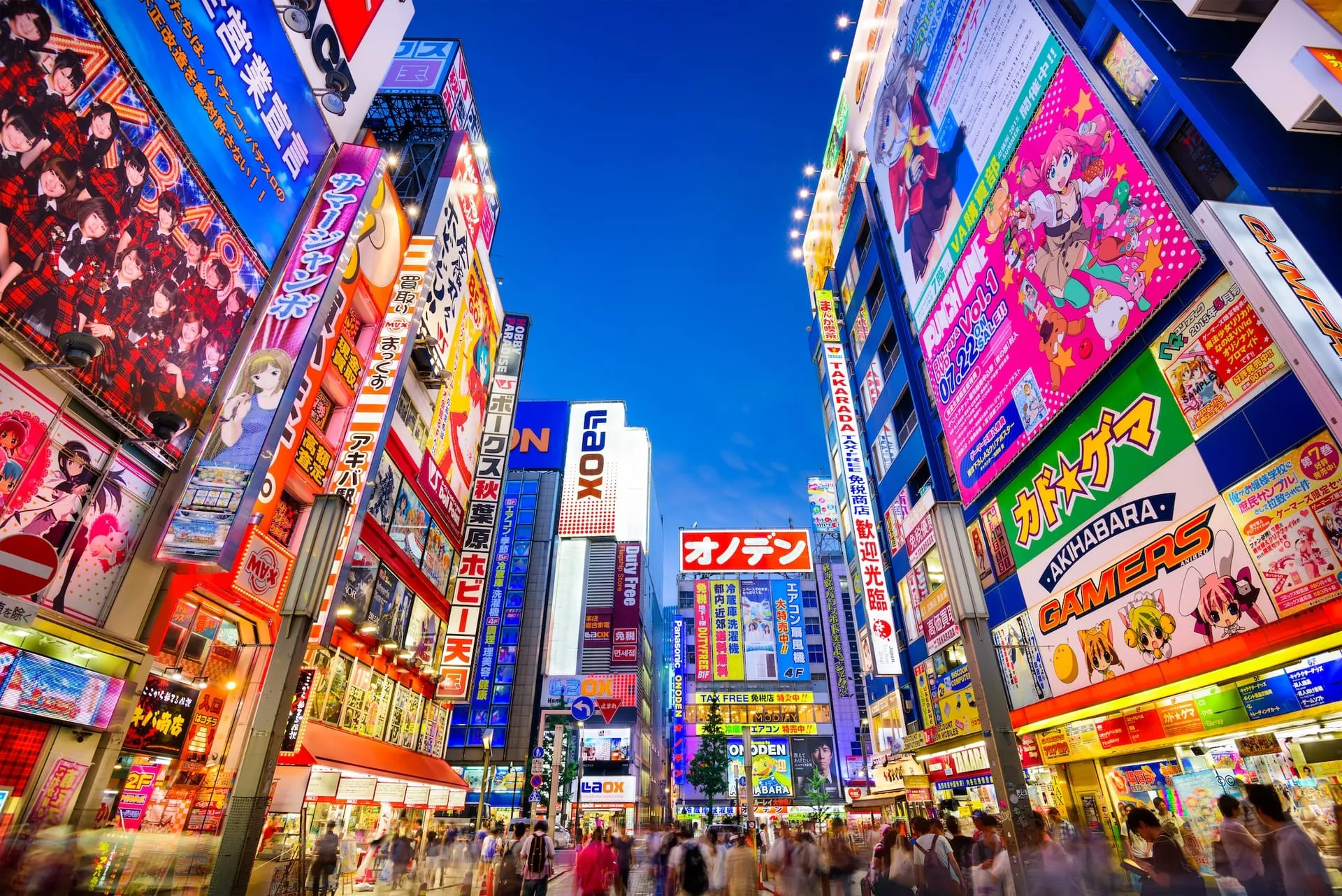
Land at Haneda or Narita, activate your IC card, and take the train into the city. Give Tokyo three days. Day one is Shibuya, Harajuku, and Shinjuku, the dense west side. Day two is Asakusa, Ueno, and Akihabara, the older east side. Day three is a half-day trip to Nikko or Kamakura if you want a break from the city, or a slower day in Yanaka and the Nezu Museum. Tokyo rewards wandering more than checklist ticking.
Days 4 to 6: Kyoto
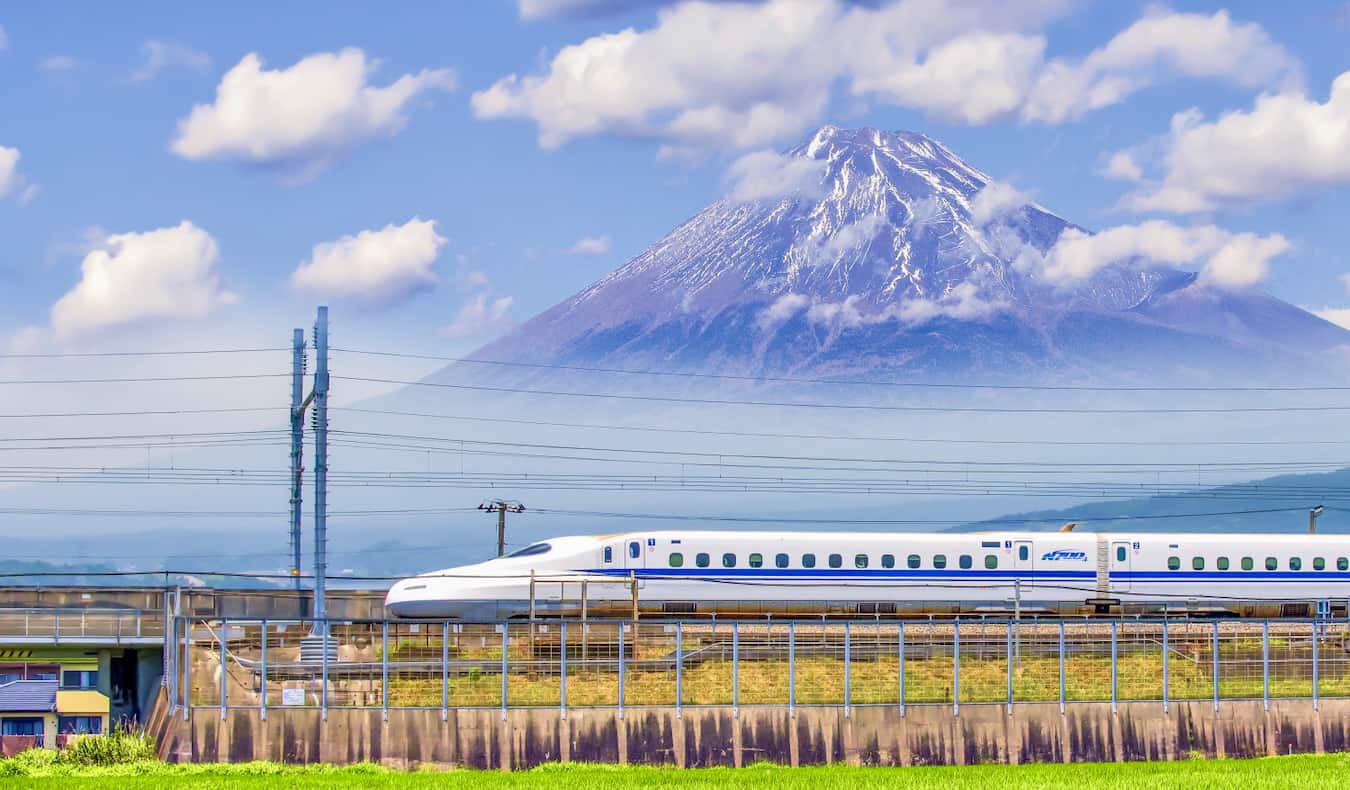
Take the shinkansen from Tokyo to Kyoto, roughly two and a half hours. Kyoto needs at least two full days. Day four is the eastern temples, Kiyomizu-dera and the Higashiyama lanes. Day five is Arashiyama and the bamboo grove in the morning, then Fushimi Inari in the late afternoon when the light is better and the crowds are thin. Book temple visits early; the popular ones fill up.
Days 7 to 9: Osaka and a day trip
Osaka is 15 minutes from Kyoto by shinkansen or 30 minutes by regular train. Use it as a base for food and nightlife, then take a day trip to Nara, which is 45 minutes away and worth a full day for the deer park and Todai-ji temple. Osaka’s Dotonbori district is the obvious evening stop, but the better meals are in the side streets off it.
Day 10: Fly out of Kansai.
Book your return flight from Osaka Kansai (KIX) rather than backtracking to Tokyo. The train from Osaka to Kansai Airport takes about 50 minutes, and it saves you a wasted travel day. If you want a guided city walk in Tokyo or Kyoto, GetYourGuide has good small-group options that add context without eating a whole day.
Where should you stay on a first trip to Japan?
In Tokyo, stay near a major station on the Yamanote loop. Shinjuku and Shibuya are the most convenient for first-timers. In Kyoto, stay near Kyoto Station for transport or in Gion for atmosphere, but book early because the good central hotels fill up months ahead. In Osaka, Namba is the most useful base for food and transport. Business hotels like APA, Dormy Inn, and Tokyu Stay are reliable, clean, and reasonably priced, often with breakfast included (confirm rates as you book).
One splurge worth considering is a single night in a ryokan, ideally with a private onsen or a kaiseki dinner. It is the most memorable part of most people’s Japan trip, and it does not need to be the most expensive part if you choose a smaller town rather than Kyoto. For apartments and family stays, Vrbo has good options in Tokyo and Osaka. For loyalty points and bundled city stays, Hotels.com is worth checking alongside Booking.com. You can also browse the WakaAbuja hotels category for broader guides on choosing accommodation.
Best for convenience
- Tokyo: Shinjuku or Shibuya, near a Yamanote line station
- Kyoto: near Kyoto Station for easy day trips
- Osaka: Namba, for food and transport
Worth considering
- One ryokan night in a smaller onsen town like Kinosaki or Hakone
- Apartment stays for families or longer trips via Vrbo
What mistakes do first-timers make in Japan?
I have made most of these, so take them as lessons rather than warnings.
Not doing Visit Japan Web before the flight. The paper form is slow, and the digital queue is faster. Do it the night before, save the QR code, and skip the scramble.
Assuming everywhere takes cards. Big cities are increasingly cashless, but small restaurants, temples, and rural shops still want yen. Carry at least a few thousand yen in cash and top up at convenience stores.
Buying the national JR Pass without doing the math. Since the 2023 price increase, it is not the default best buy. Compare point-to-point fares for your route before you commit (check current JR Pass pricing).
Packing too much into one trip. Tokyo, Kyoto, Osaka, Hiroshima, and Hokkaido in 10 days is not a trip, it is a train ride. Give each city real time.
Missing the onsen because of nerves. Look up the etiquette once. Wash before entering, keep the towel out of the water, no swimsuits. It is one of the best parts of the trip and far less intimidating than people expect.
Underestimating the summer humidity. If you go in July or August, plan indoor activities in the middle of the day and drink more water than you think you need.
Frequently asked questions
How much does a 10-day trip to Japan cost?
For mid-range travel, expect roughly 2,500 to 3,200 US dollars per person including flights, or 1,400 to 2,100 dollars excluding flights (confirm current rates before you budget). Budget travellers can go lower with hostels and convenience store meals, and luxury travellers will spend considerably more.
Do you need a visa to travel to Japan?
Most Western passport holders do not need a visa for short tourist stays of up to 90 days. You do need a valid passport and a return ticket. Check your own country’s embassy page and the Japanese Ministry of Foreign Affairs guidance before booking anything non-refundable.
Is the Japan Rail Pass worth it?
It depends on your route. Since the price increase in October 2023, the pass is not the automatic buy it once was. For a standard Tokyo to Kyoto to Osaka trip, point-to-point tickets or a regional pass are often cheaper (check current JR Pass pricing). The pass wins only if you are doing long, multi-city hops in a short window.
Is Japan safe for first-time visitors?
Yes, Japan is one of the safest countries in the world for travellers. Violent crime is rare, public transport is safe at all hours, and lost items are routinely returned. The bigger risks are earthquakes and summer heat, so know your hotel’s evacuation route and carry water in July and August.
Do they speak English in Japan?
Less than you might hope. Signage in major cities and train stations is bilingual, but outside tourist areas English is limited. A translation app and a few polite Japanese phrases (sumimasen, arigatou gozaimasu) go a long way. Do not assume restaurant staff will speak English, especially in smaller towns.
Can you use credit cards in Japan?
In cities, yes, especially at hotels, chain restaurants, and convenience stores. In smaller shops, temples, and rural areas, cash is still king. Carry at least a few thousand yen in cash and top up at convenience store ATMs, which are more reliable than many bank ATMs for foreign cards.
How many days do you need for a first trip to Japan?
Ten days is the sweet spot for Tokyo, Kyoto, and Osaka with one day trip built in. Seven days is doable but tight if you include both Tokyo and Kyoto. Two weeks lets you add Hiroshima, Nara, or a slower ryokan stay without rushing.
Plan your trip: booking platforms we trust
I use these platforms because they consistently surface useful inventory for Japan and keep pricing transparent. None of them sponsored this article, but the links below are affiliate links, which means WakaAbuja may earn a small commission if you book through them at no extra cost to you. Use the ones that fit your trip, and check WakaAbuja’s travel planning resources and cheap flight finder alongside them.
Booking.com
Widest hotel inventory in Japanese cities, with free cancellation options.
Kayak
Compare flights into Haneda, Narita, and Kansai before you commit.
GetYourGuide
Small-group city tours and day trips in Tokyo, Kyoto, and Osaka.
Expedia
Flight and hotel packages if you want one booking for the whole trip.
Hotels.com
Loyalty rewards and bundled bookings for city stays.
WakaAbuja does its best to keep all information accurate at the time of publishing. Prices, policies, and availability change regularly. Always verify with official sources before you travel. We are not liable for errors caused by outdated information. Travel insurance is strongly recommended.