
advertisement
Travel to Porto: The Complete Guide for US Travelers (Costs in USD, Flights, & What to Know)
US citizens do not need a visa for stays under 90 days in Portugal. Budget roughly $150 to $250 per person per day in USD for a comfortable mid-range experience, and expect your total flight cost to range from $600 to $1,200 roundtrip depending on your departure coast.
The biggest surprise for most Americans is that dinner starts at 8:00 PM and air conditioning is not a given.
I landed in Porto for the first time after a red-eye from Newark. I was groggy, clutching a coffee, and I had converted exactly zero dollars to euros before stepping off the plane. Within an hour, I realized almost every “ultimate guide” I had read was written for a European tourist who already understood the voltage, the dining clock, and the currency. Our team member Lena, who flew in from Seattle a day later, put it best: “It felt like a beautiful secret, but I kept making small, avoidable mistakes that no guide had warned me about.”
We built this guide to fix that exact gap. Every price you see is converted to USD as of this year. Every flight route is described from a US departure gate. Every cultural quirk is named before it catches you off guard.
Jump to: Is It Worth It? | Flights from the US | Entry Rules | Costs in USD | Where to Stay | Getting Around | Culture Shock | What to Eat | Best Time | Porto vs. Lisbon | Safety | FAQs
Key takeaways
- A mid-range budget in Porto runs between $150 and $250 USD per person per day, far cheaper than comparable trips to Paris or London.
- Nonstop flights from the US are limited; the fastest routes go through Newark (EWR) on United or connecting via Lisbon (LIS) on TAP Air Portugal.
- You need a passport valid for at least three months beyond your departure date from the Schengen Area.
- Most boutique hotels in older buildings do not have elevators or central air conditioning, so pack accordingly in summer.
- The Andante Card is the only transit pass you need; a 24-hour unlimited pass costs about $8.00 USD.
Is Porto Worth Visiting for Americans?
Yes, especially if you want a European city that feels lived-in rather than curated for tourists. Porto delivers the steep, cinematic riverfront you see on postcards, but it also gives you a working-class food culture, a Port wine scene that treats you like a student rather than a customer, and prices that make a four-day trip cost about what you would spend on a single weekend in New York City. Americans who enjoy San Francisco’s hills or Boston’s layered history will feel an immediate kinship with the granite streets and iron bridges here.
Chidi from our team’s honest take: “Porto is not a luxury playground like Monaco, and it is not a party island like Mykonos. It is a walkable, affordable, deeply beautiful city for adults who want a slow glass of wine and a custard tart. If you need a Disney-fied experience, skip it. If you want to feel like you stumbled into a real place, book the flight.”
Flying to Porto from the US: Routes, Times, and When to Book
Porto’s Francisco Sá Carneiro Airport (OPO) receives far fewer direct US flights than Lisbon. As of this year, United Airlines operates a seasonal nonstop from Newark (EWR) that takes roughly seven hours eastbound. Most other US travelers connect through Lisbon on TAP Air Portugal, which offers a short 50-minute hop to Porto, or through major European hubs like Madrid, Barcelona, or Frankfurt. From the West Coast, expect a total travel time of 14 to 16 hours with a connection. From the East Coast, budget eight to eleven hours door to door.
We consistently find the best transatlantic fares for Portugal by monitoring comparison tools rather than booking directly. For West Coast departures, Kayak remains our team’s preferred starting point, as it aggregates the low-cost European carriers that sometimes miss other search engines.
Best booking strategy
- Book 3 to 5 months out for peak summer (June–August) to stay under $1,200 roundtrip.
- Shoulder season (April–May, Sept–Oct) often drops fares below $700 from East Coast hubs.
- Flying into Lisbon and training up can save $200–$400 on airfare if you have a spare three hours.
Worth knowing
- Jet lag: Porto is five hours ahead of Eastern Time, eight hours ahead of Pacific Time.
- Airport arrival: OPO is compact. Metro line E takes you to the city centre in 25 minutes for about $2.00 USD.
Entry Requirements for US Citizens
Portugal is part of the Schengen Area. US passport holders can enter visa-free for up to 90 days within any 180-day period for tourism or business. Your passport must be valid for at least three months beyond your intended departure date from the Schengen zone. As of this year, the European Travel Information and Authorization System (ETIAS) is in a phased rollout and will eventually require US citizens to complete a quick online pre-authorization for a small fee, similar to the ESTA system for entering the US. Rules can change with short notice, so confirm your specific ETIAS status on the official EU travel portal before you book nonrefundable flights.
Unlike some European destinations, Portuguese border control rarely asks US tourists for proof of onward travel or hotel reservations, but having a printed copy of your itinerary never hurts. For bundled flight and hotel packages that include cancellation flexibility, Expedia is often the most straightforward option for American travelers wanting a single itinerary.
What It Costs: A Real Porto Budget in USD
Porto is one of the best-value cities in Western Europe for Americans spending dollars right now. The exchange rate fluctuates, so we used a rough baseline of $1.10 USD to €1.00 for these conversions as of early this year. Always check the current rate before you budget, but these figures give you a reliable ballpark.
Daily mid-range budget (per person)
- Boutique hotel: $110–$180 USD per night
- Lunch (tasca-style): $11–$16 USD
- Dinner (mid-range with wine): $28–$44 USD
- Andante 24-hour card: ~$8.00 USD
- Port lodge tour & tasting: $22–$38 USD
Sample 4-day total (one person, mid-range)
- Flights: $700–$1,100 USD
- Accommodation (3 nights): $360–$540 USD
- Food & drink: $220–$300 USD
- Activities/transit: $110–$160 USD
- Total excluding flights: ~$700–$1,000 USD
For hotel price tracking specifically, we cross-reference the daily rates on Hotels.com because their rewards program effectively builds you a free night after ten stays, which matters if you are stacking multiple European cities into one trip.
Where to Stay: Neighborhoods That Fit Your Travel Style

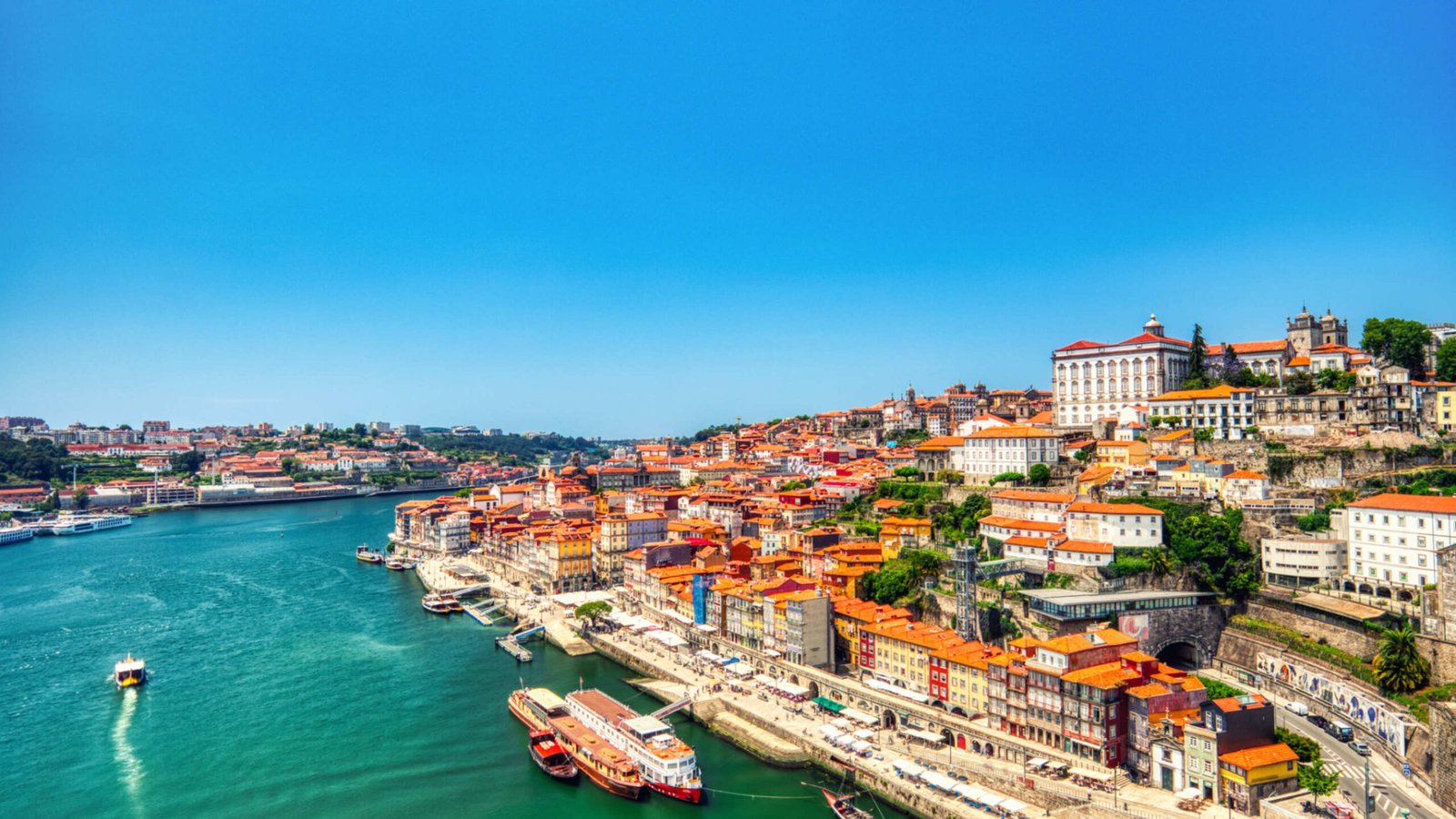
Porto’s neighborhoods match different travel personalities. Ribeira is the postcard district, right on the Douro River, but its cobblestone charm comes with street noise and steep climbs. Aliados and the Baixa district place you near the main train station and avenue, which is ideal if you plan a day trip to the Douro Valley. Foz do Douro sits where the river meets the Atlantic; it is breezy, residential, and a 20-minute bus ride from the center.
Vila Nova de Gaia, across the bridge, is where the port wine cellars cluster, and it often offers slightly larger rooms for the price.
Lena’s honest take: “I stayed in Gaia my first trip and walked across the Dom Luís I Bridge every morning. The view of Porto from that side at sunrise is worth the ten-minute walk, and my hotel was $40 cheaper per night than the equivalent in Ribeira.”
For browsing verified apartment-style stays in the Foz and Gaia districts, Vrbo consistently lists larger family units with kitchenettes that hotels in the city center cannot match.
Getting Around Porto: Transit That Makes Sense
Do not rent a car for the city center. The streets are narrow, one-way mazes, and parking is both scarce and expensive. Your entire transit life revolves around the Andante Card, a blue rechargeable card you can buy at any Metro station. Tap it on the yellow validators before boarding a bus or entering a Metro platform. A single zone trip costs about $1.50 USD, and the 24-hour unlimited pass runs you roughly $8.00 USD for the central zones. The vintage Tram 1 along the river to Foz is a scenic tourist draw at $4.00 USD per ride, but the same route is covered by the modern bus fleet for a fraction of the cost if you just want the destination.
The funicular near the Dom Luís I Bridge saves you a brutal hill climb and costs around $3.00 USD. Ride-sharing apps like Uber and Bolt operate heavily in Porto and are significantly cheaper than US equivalents; a trip across the city rarely exceeds $6.00 USD.
10 Things That Will Feel Different From Home
The small cultural gaps catch you more than the big ones. Americans tend to be prepared for language barriers but rarely anticipate the rhythm-of-life differences that can make a first day in Porto feel disorienting.
Dinner starts at 8:00 PM
If you arrive at a restaurant at 6:00 PM, the kitchen will likely be closed. Most locals eat between 8:30 and 10:00 PM. Plan a late lunch to bridge the gap.
Air conditioning is not standard
Many charming, tiled historic buildings rely on cross-breezes and shutters. If you are traveling in July or August, confirm AC at booking or risk restless, sticky nights.
Water is not free and is often sparkling
Waiters will ask “still or sparkling?” and both options arrive in a sealed bottle on your bill. There is no free tap water culture as in the US. Specify “água da torneira” if you want tap water, but it is rarely offered.
Voltage is 230V with Type F plugs
Your US electronics need a plug adapter. Dual-voltage devices (phone chargers and laptops) work with just an adapter. Single-voltage US appliances like hair dryers need a full converter or will fry instantly.
For additional current reviews on hotels with modern HVAC systems, I often browse the latest traveler photos and comments on TripAdvisor because they tend to mention room temperature complaints when they exist.
What to Eat: The Dishes That Define Porto
You cannot leave Porto without trying a francesinha. It is a tower of cured meats, steak, and bread, draped in melted cheese and submerged in a thick, spiced tomato-beer sauce. It is the closest thing Portugal has to a Texas-style indulgence plate, and it will defeat you if you order it for lunch without a plan for a nap. Café Santiago near the Bolhão market serves the classic version. The other mandatory dish, tripas à moda do Porto, is a slow-cooked tripe and bean stew that gave Porto its nickname, “Tripeiros.” It is a richer, earthier version of a French cassoulet and far better than it sounds.
Street-level eating here means pastéis de nata, the custard tarts you will eat three times a day if you are not careful. Manteigaria and Fábrica da Nata are the two giants; choose whichever line is shorter, because both are excellent. For evening drinks, skip the overpriced Ribeira terraces and book a port lodge tasting in Gaia. For activities and cellar tour bookings in the Gaia district, GetYourGuide lists multiple operators with verified reviews and free cancellation windows.
Best Time to Visit Porto
The sweet spot for Americans is late April through early June, or September through mid-October. You avoid the July–August crush, where hotel prices jump by 30% or more, and the weather sits comfortably in the high 60s to mid-70s Fahrenheit. Porto gets real rain from November through February, and the humidity can make a 45-degree day feel colder than a dry Chicago freeze. If you book summer travel, secure your accommodation early. We regularly check inventory and rates on Booking.com six months ahead for August dates, because the best-value guesthouses in Aliados and Foz sell out quickly.
Porto vs. Lisbon: Which Should Americans Pick First?

If you have seven to ten days, do both. The train between the two takes under three hours and costs about $30–$40 USD. If you have only four or five days, pick Porto for a cozier, more affordable, and more walkable experience. Lisbon is the grand, sprawling capital with faster nightlife and a bigger museum circuit. Porto feels like a dense, vertical village by comparison. Americans who prefer Seattle to Los Angeles tend to prefer Porto to Lisbon.
If you want big, buzzy, and cosmopolitan, start with Lisbon and add Porto as your second stop.
Safety Tips for US Travelers in Porto
Porto is statistically one of the safest cities in Europe for tourists. Violent crime is exceptionally rare. The practical concern is pickpocketing on the crowded Ribeira boardwalk and inside the São Bento train station. Keep your phone in a front pocket, do not hang your bag on the back of a café chair, and treat the historic trams as you would a packed subway car in any major US city. Late-night streets around the university district stay lively and populated, which makes walking back to your hotel safer than in many emptier American downtowns.
The biggest actual risk for most US visitors is a twisted ankle on the cobblestones, so leave the flimsy sandals at home and wear shoes with grip.
Frequently asked questions
Is Porto safe for American tourists?
Yes. Porto has low violent crime rates and a strong police presence in tourist zones. The primary risk is petty theft, particularly in crowded areas like Ribeira, São Bento station, and the Dom Luís I Bridge walkway. Practice the same situational awareness you would use in any unfamiliar US city, and you will be fine.
Do US citizens need a visa to visit Porto?
Not for stays under 90 days. Portugal is part of the Schengen Area, which allows US passport holders visa-free tourism access. Your passport must have at least three months of validity remaining beyond your planned departure date from Europe. ETIAS pre-authorization requirements are being phased in, so verify your status before booking.
How many days do you need in Porto?
Three full days covers the core city nicely: one day for the Ribeira and Gaia port lodges, one for the Aliados district and museums, and one flexible day for Foz or a Douro Valley half-day trip. If you want to add a full-day Douro Valley wine tour, stretch it to four days.
Is Porto expensive compared to other European cities?
No. Porto is significantly more affordable than Paris, London, or Amsterdam. A mid-range hotel, three solid meals, and transit will run you roughly $150–$200 USD per day. That same daily spend would be tight for a budget traveler in central London or Zurich.
What is the time difference between the US and Porto?
Porto is five hours ahead of US Eastern Standard Time and eight hours ahead of Pacific Standard Time. During daylight saving transitions, the gap can shift by an hour depending on whether the US and Europe change clocks on the same date.
Can I use US dollars or should I bring euros?
You need euros. US dollars are not accepted anywhere except possibly a few large hotel chains at a terrible exchange rate. Use a no-foreign-transaction-fee credit card for most purchases and withdraw euros from a local ATM attached to a bank, not a standalone tourist kiosk, for the best rate.
Plan your Porto trip: platforms we use and trust
Our team books Portugal travel through a handful of tested platforms. We prioritize ones with clear cancellation policies, USD pricing displays, and solid US-based customer support for when things go sideways.
Best for guesthouse and boutique hotel selection.
Our starting point for multi-city flight searches.
Reliable for bundling flights, hotels, and rental cars.
Go-to for Douro Valley tours and port lodge bookings.
Good for earning free nights on longer Europe trips.
Ideal for apartment stays in Foz and Gaia.
Essential for recent restaurant and hotel condition reviews.